TL;DR — A good UV toothbrush sanitizer does more than shine light. It must use genuine UV-C light at the right wavelength, kill 99.9% of germs, and actively dry your brush so bacteria don’t bounce back. This guide compares the features that actually matter so you can pick a germ-free clean that lasts.
What Is a UV Toothbrush Sanitizer and How Does It Kill Germs?
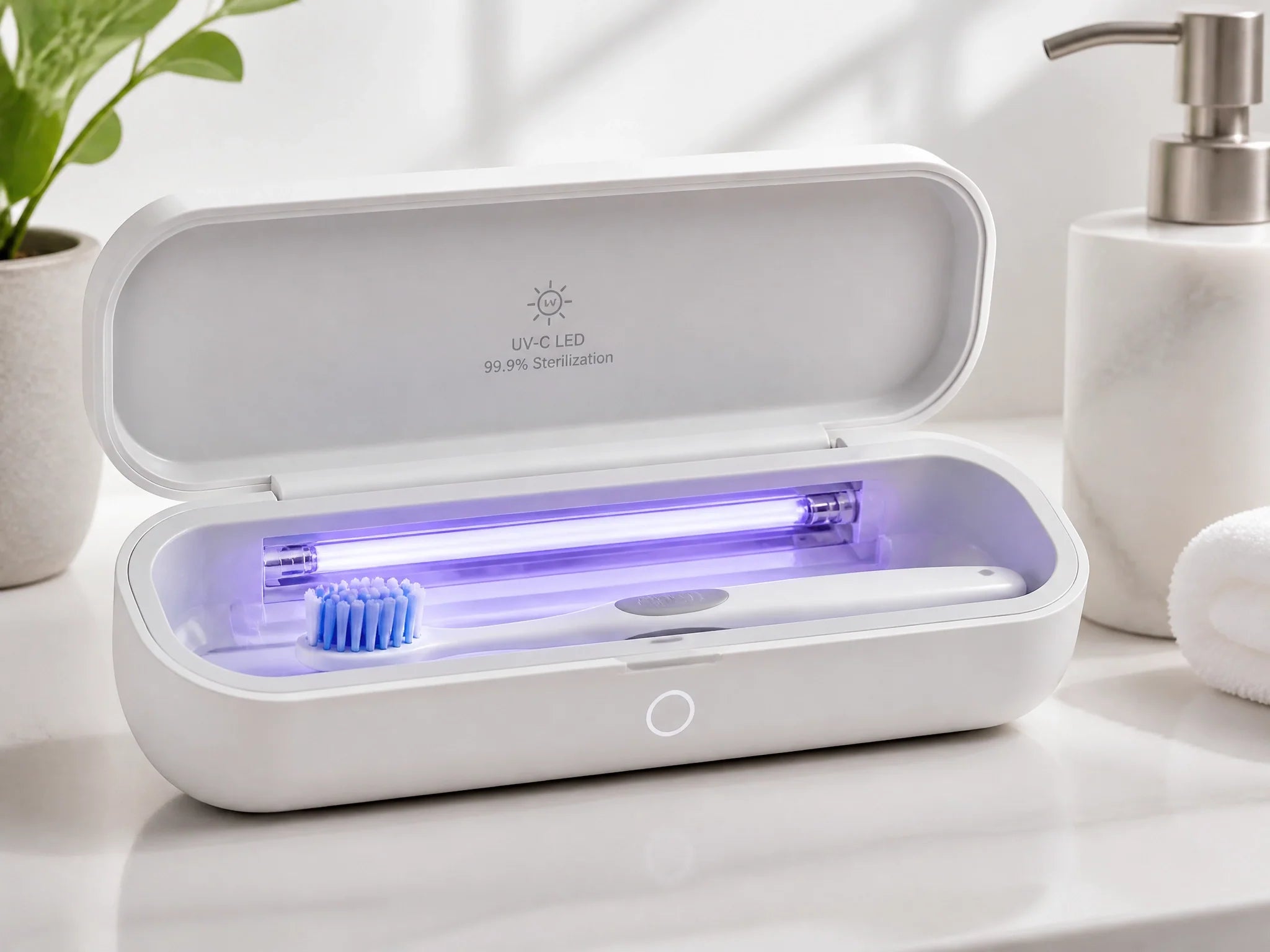
A UV toothbrush sanitizer is a small chamber that uses ultraviolet light to inactivate bacteria, viruses, and mold on your brush head. The best ones combine light with active drying to stop recontamination.
The Science of UV-C Light Sanitization
The sanitizing power comes from UV-C light — specifically a wavelength of 253.7 nanometers — which is the same germicidal range used to disinfect hospital tools and drinking water. At this wavelength, UV-C energy penetrates microbial cell walls and scrambles their DNA so they can’t reproduce. Here’s how it works in a typical device, step by step:
- You place a rinsed toothbrush inside the closed chamber.
- UV-C LEDs or a mercury-free bulb flood the bristles from multiple angles.
- The light energy disrupts the DNA of oral pathogens like E. coli, Staphylococcus aureus, and Streptococcus mutans.
- After a full cycle — usually 3 to 10 minutes — microbial load drops by 99.9%, achieving high-level sanitization (not complete sterilization, but more than enough for daily hygiene).
Why the Drying Function Is Non-Negotiable
Bacteria thrive in moisture. If your brush stays wet after a UV cycle, the surviving microbes can double in number every 20 minutes. That’s why a built-in fan or warm air dryer is essential: it removes the damp environment that lets germs regrow. The PhoneSoap sanitizer uses a fan to dry bristles after every cycle, preventing the “damp bristle” problem that turns a clean brush into a breeding ground. Compare that to passive air-drying:
| Method | How It Works | Protection Window |
|---|---|---|
| Passive air-drying (no fan) | Brush sits in open air or a sealed case with no airflow | Bacteria can rebound within hours |
| Active fan drying | Built-in fan circulates air through the chamber | Keeps bristles dry and germ levels low for 24+ hours |
| Hot air drying (45–60°C) | Gentle heating element evaporates moisture | Provides the longest-lasting protection against regrowth |

Why You Need a UV Toothbrush Sanitizer in Your Bathroom
The Unseen Germs Living on Your Toothbrush
Your toothbrush is a magnet for bathroom-borne bacteria. Every flush sends a plume of aerosolized particles — including fecal coliforms — into the air. Those particles settle on your brush. Independent lab tests show that UV-C light can eliminate 99.9% of E. coli, the exact type of bacteria a bathroom toothbrush picks up.
Startling fact: A single toilet flush can spread bacteria up to six feet, and a damp toothbrush stored openly can harbor millions of microorganisms — including those linked to gum disease and stomach bugs.
From Flu Season to Shared Spaces: Tangible Daily Benefits
A sanitizer isn’t just a gadget — it’s a practical shield for your household’s health. Here’s when it earns its keep:
- After a cold or flu: It stops you from reinfecting yourself every time you brush.
- Family bathrooms: Prevents cross-contamination when multiple brushes sit in one holder.
- Braces, aligners, and whitening trays: Keeps orthodontic gear from becoming a bacteria hotel.
- Weak immune systems: Adds a chemical-free layer of defense for anyone with compromised health.
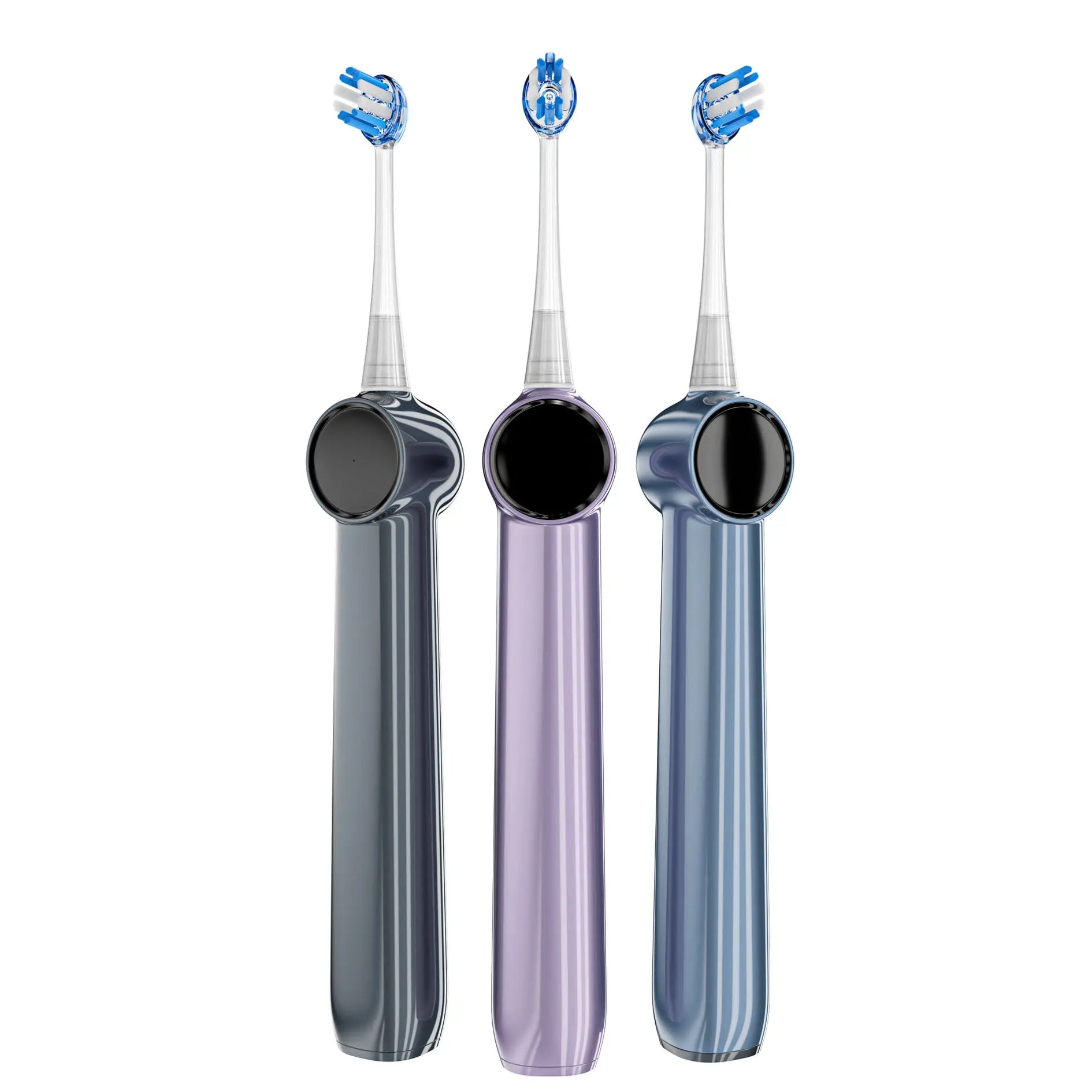
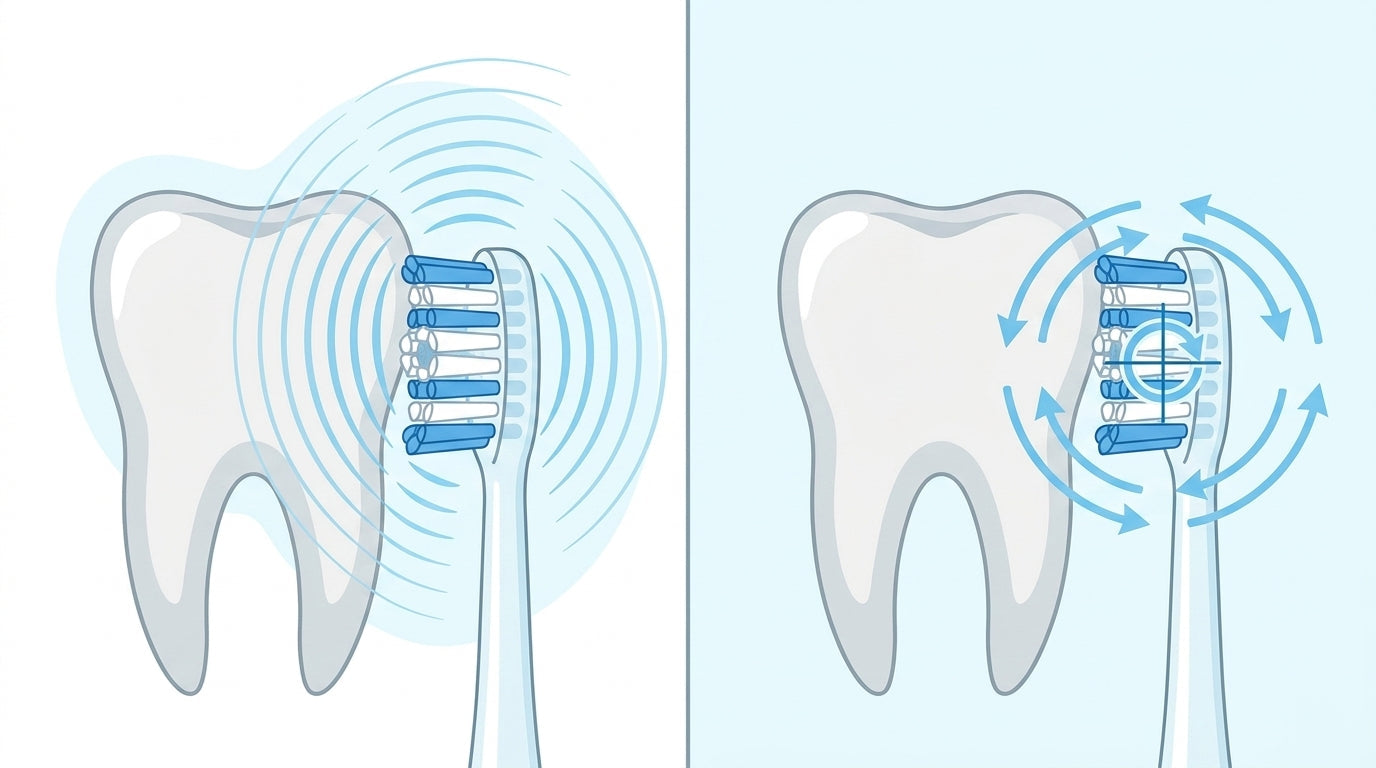
- Sensitive gums and bleeding: If you’re worried about gum damage, pair your UV sanitizer with a gentle electric toothbrush like the RANVOO AirJet X5. Its patented bubble-brush technology uses microbubbles to clean plaque without harsh scrubbing, making it ideal for sensitive mouths. Combined with a UV sanitizer, you get both a germ-free brush head and a non-irritating clean every time.
How to Compare and Select the Right UV Toothbrush Sanitizer for You
Drying Technology: Fan, Heat, or Conduction?
Active drying comes in different flavors. The right choice balances speed, noise, and effectiveness.
| Type | Drying Speed | Noise Level | Energy Use | Example |
|---|---|---|---|---|
| Fan only | Fast (30–60 min) | Low hum | Low | PhoneSoap |
| Hot air (45–60°C) | Moderate (60–90 min) | Near silent | Medium | OrellaUV FamilyGuard |
| Conduction/desiccant | Slow (several hours) | Silent | None | Some budget models |
UV-C Bulb Quality, Coverage, and Lifespan
Not all UV-C is created equal. Look for these specs to avoid weak performance:
- LED vs. mercury bulb: LEDs last 5,000–10,000 hours, contain no mercury, and reach full intensity instantly.
- Wavelength specification: The device should clearly state 253.7 nm (or a range within 254–280 nm). If it’s not listed, the sanitizing power may be unreliable.
- Reflective chamber: A polished or stainless-steel interior bounces light into bristle shadows.
- Exposure time: Cycles should last at least 3 minutes to guarantee a high log reduction.
Capacity and Toothbrush Compatibility
Decide how many brushes you’ll sanitize daily. Single-slot models work great for one or two people and travel. Family units hold 4 to 5 brushes and often include larger drying systems. Most quality sanitizers accept:
- Manual toothbrushes (all sizes)
- Sonic-style electric heads (including Philips Sonicare and the RANVOO AirJet X5’s bubble-brush heads, whose soft-bristle design fits easily into standard chambers)
- Kids’ toothbrushes
- Removable aligners and small mouthguards
Note: Some round Oral-B electric heads may not fit in narrow slots — always check the chamber depth and width.
Power Source and Placement Flexibility
| Power Type | Pros | Cons |
|---|---|---|
| Rechargeable USB (built-in battery) | Portable, renter-friendly, no cords | Must recharge periodically (typically once a month) |
| Battery-operated (AA/AAA) | Truly cordless, easy to replace | Ongoing battery cost, can be bulkier |
| Wall-mounted with adhesive | No drilling, saves counter space | Needs smooth surface, less portable |
| Hardwired | Always powered, no battery worries | Requires professional installation |
Must-Have Safety and Smart Features
- Auto shut-off when lid opens: Instantly kills the UV light to protect eyes and skin.
- Mercury-free LEDs: Safer for your home and the environment.
- Child lock or secure lid: Prevents accidental opening during a cycle.
- Cycle status indicators: A simple light or display that tells you when it’s done.
Price vs. Long-Term Value
- Budget ($20–$40): Basic UV light, sometimes no drying or a simple fan. Good for solo use if you manually air-dry the brush first.
- Mid-range ($40–$80): Reliable UV-C LED, active fan drying, multi-brush capacity, USB rechargeable. The sweet spot for most families.
- Premium ($80+): Hot air drying, stainless-steel chamber, motion-sensor lid, month-long battery life. You’re paying for maintenance-free, long-term protection.
Personal vs. Family UV Toothbrush Sanitizers: Which One Fits Your Lifestyle?
Best Options for Single Users or Couples
Compact, portable sanitizers slide into a travel bag just as easily as they sit on a counter. Look for: - Fits one brush, sometimes two - Doubles as a travel case (sealed lid) - Rechargeable battery with 25+ cycles per charge - Example highlight: The PhoneSoap sanitizer uses a magnetic wall mount and runs 28 sanitize-and-dry cycles on a single 80-minute charge — no outlet needed at your destination.
Top-Rated Solutions for Families with Multiple Brushes
For households, capacity and drying power come first. A wall-mounted unit that holds 5 brushes with hot air drying can eliminate the shared-holder contamination problem entirely. The OrellaUV FamilyGuard, for instance, uses a food-grade stainless-steel chamber, 253.7 nm UV-C, and 45–60°C hot air to keep every brush dry and germ-free between uses — all controlled by a motion sensor so kids won’t forget to run it.
Where to Install Your UV Toothbrush Sanitizer for Optimal Hygiene
Wall-Mounted, Countertop, or Travel Case: Placement Guide
| Installation Type | Best For |
|---|---|
| Wall-mounted with adhesive or screws | Families, limited counter space, permanent setup |
| Countertop stand | Renters, easy access, no wall damage |
| Travel case | Commuters, frequent travelers, gym bags |
Installation Tips for a Safe and Effective Setup
- Mount the sanitizer at least 4 feet away from the toilet to minimize aerosol contact.
- Position it on a dry wall away from direct sink splashes — moisture can interfere with the electronics.
- If using an adhesive mount, clean the surface thoroughly with alcohol and wait 24 hours before hanging.
- Ensure the air vents aren’t blocked; proper airflow keeps drying efficient.
When and How Long to Run the Sanitizing Cycle
Daily Routines and Situational Triggers for Sanitizing
- After every brushing session: The ideal habit; most cycles finish in 5–10 minutes.
- When someone in the house is sick: Run a full cycle after every use to block germ spread.
- After deep cleaning your brush: If you’ve soaked it in mouthwash or peroxide, a UV cycle adds an extra layer of safety.
- Before storing a travel brush: Sanitize and dry it before zipping it into a case.
Understanding Cycle Duration and Maintenance Alerts
A standard cycle lasts 5–10 minutes (some fast models in 3 minutes). Maintenance is minimal: - Weekly: Wipe the chamber interior with a soft cloth. - Monthly: Check the LED or bulb for dimming; replace if the indicator suggests it’s time (usually after 5,000+ hours for LEDs). - Every 3–4 months: Replace your toothbrush head, even if you sanitize daily. Worn bristles don’t clean teeth effectively.
Final Showdown: A Head-to-Head Comparison of Top UV Toothbrush Sanitizers
| Model | Germ Kill | Drying Method | Capacity | Power | Best For | Pros | Cons |
|---|---|---|---|---|---|---|---|
| PhoneSoap BrushGuard | 99.9% (lab-tested against E. coli) | Built-in fan | 1 brush | USB rechargeable (28 cycles/charge) | Solo users & travel | Doubles as travel case, magnetic wall mount, no buttons | Single-brush capacity; no hot air |
| OrellaUV FamilyGuard | 99.9% (253.7 nm UV-C) | 45–60°C hot air | 5 brushes | 4000mAh battery, USB-C (~1 month) | Families & shared bathrooms | Hot air drying prevents regrowth, stainless steel chamber | Not portable; Oral-B round heads may not fit |
| LifeBasis Pro | 99.9% (dual UVC+UVA) | 60°C hot air + fan | Up to 6 items | 5100mAh rechargeable | High-capacity, smart homes | Infrared sensor auto-open, smart display, adhesive mount | Requires smooth wall surface; premium price |
| TAO Clean Germ Shield | 99.9% (UV-C LED) | Airflow drying | 1 brush | 2 AA batteries | Travelers & minimalists | Ultra-portable, chemical-free, automatically activates | No hot air; batteries need replacing |

Each model excels in a different scenario. For most households, a multi-brush sanitizer with true hot air drying provides the most complete protection. If you travel frequently, a compact case with fan drying will keep your brush safe without weighing you down. And for those with sensitive gums, pairing your chosen sanitizer with a gentle brush like the RANVOO AirJet X5 ensures your daily routine is both hygienic and comfortable — no harsh scrubbing, just clean protection from bacteria and irritation alike. By prioritizing genuine UV-C wavelength, active moisture removal, and solid safety features, you’ll finally give your toothbrush the clean it deserves — every single time you brush.