






















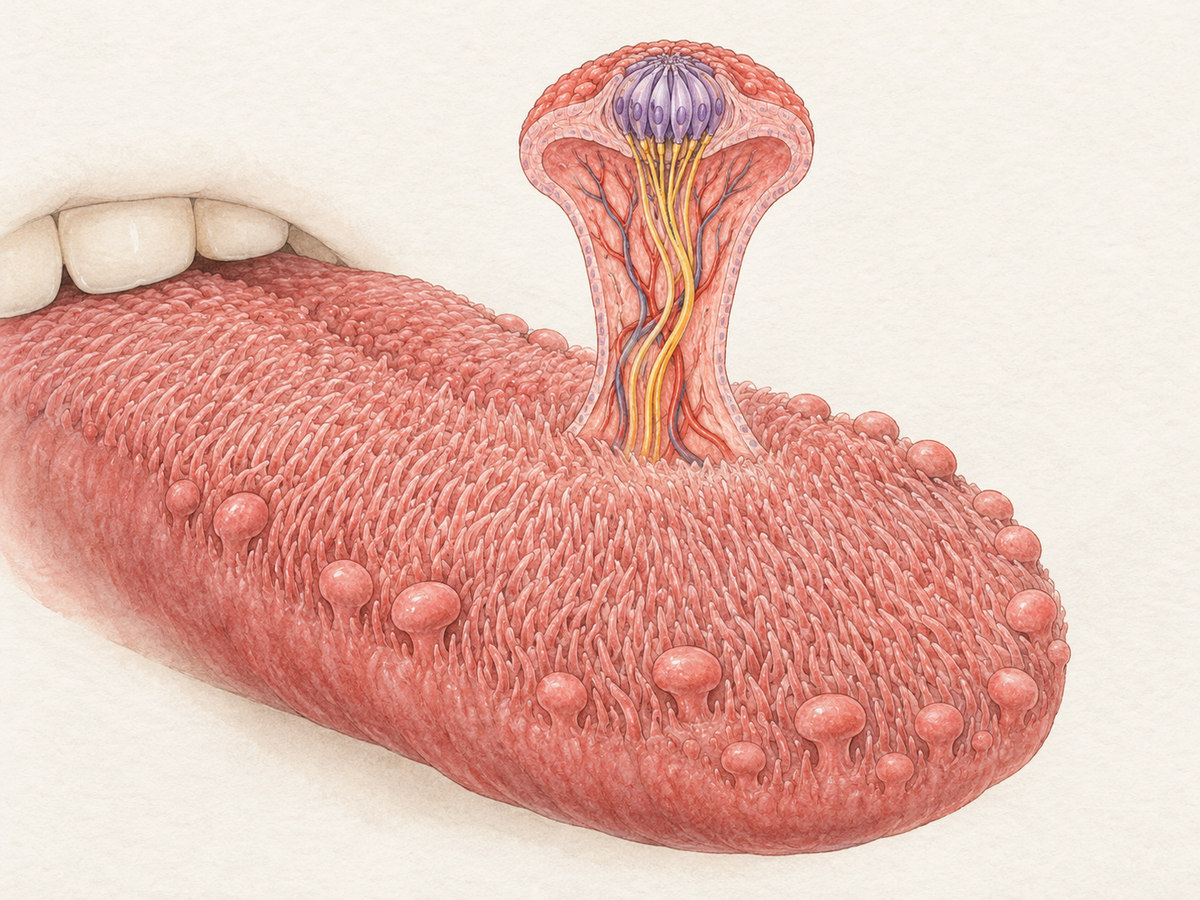
What Those Red Dots on Your Tongue Are
Learn what the red dots on your tongue are, why fungiform papillae swell or feel sore, and when a persistent tongue bump needs a dentist.
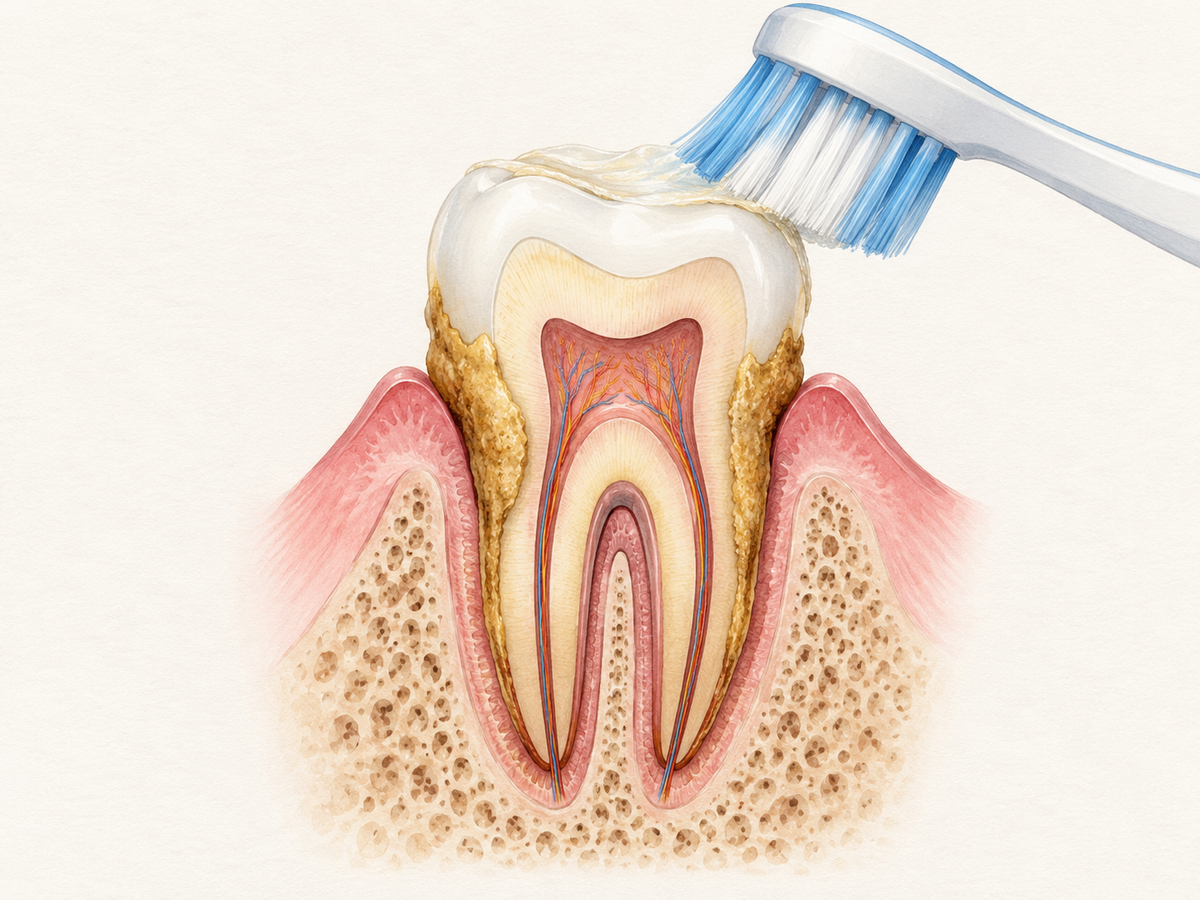
Can You Remove Tartar at Home?
This article explains why tartar can't be safely removed at home, which DIY methods harm teeth and gums, and how dentists remove it while home care prevents it.
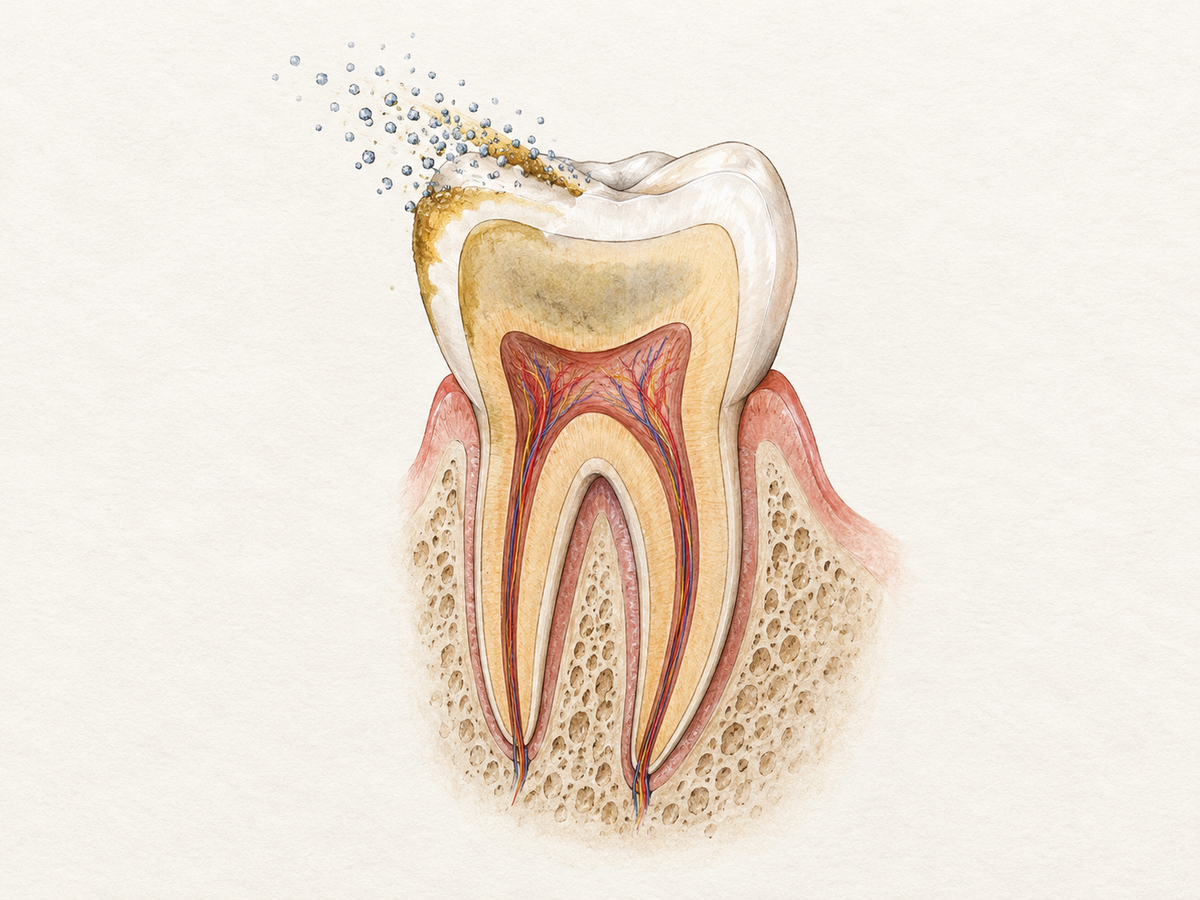
What Whitening Toothpaste Can and Can’t Do
Learn what whitening toothpaste can and can't do: how it removes surface stains, limits of deep discoloration, safe daily use, and when to see a dentist.
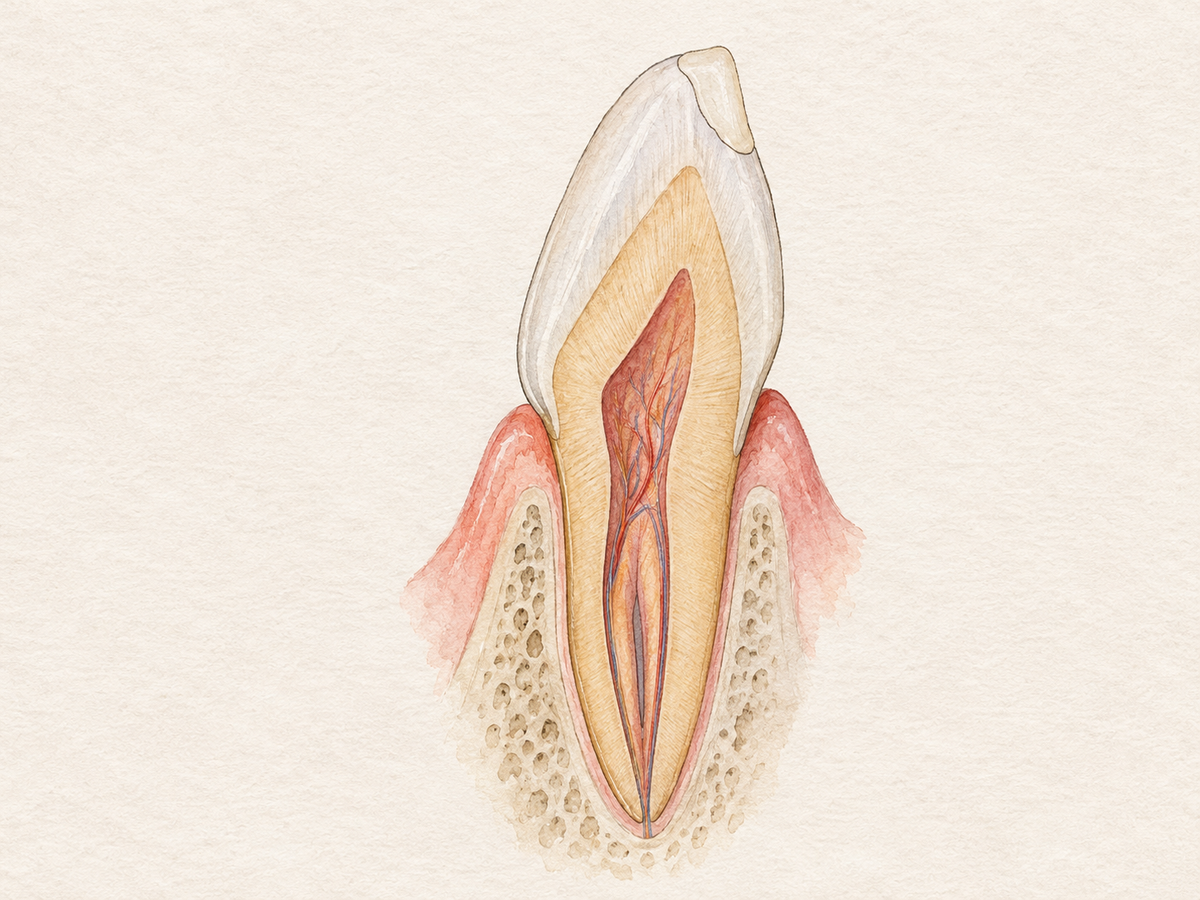
Is Composite Resin Bonding Right for You?
Composite resin bonding can fix small chips, gaps, and stains, but it may not suit grinding, large gaps, or bite problems; compare costs and alternatives.
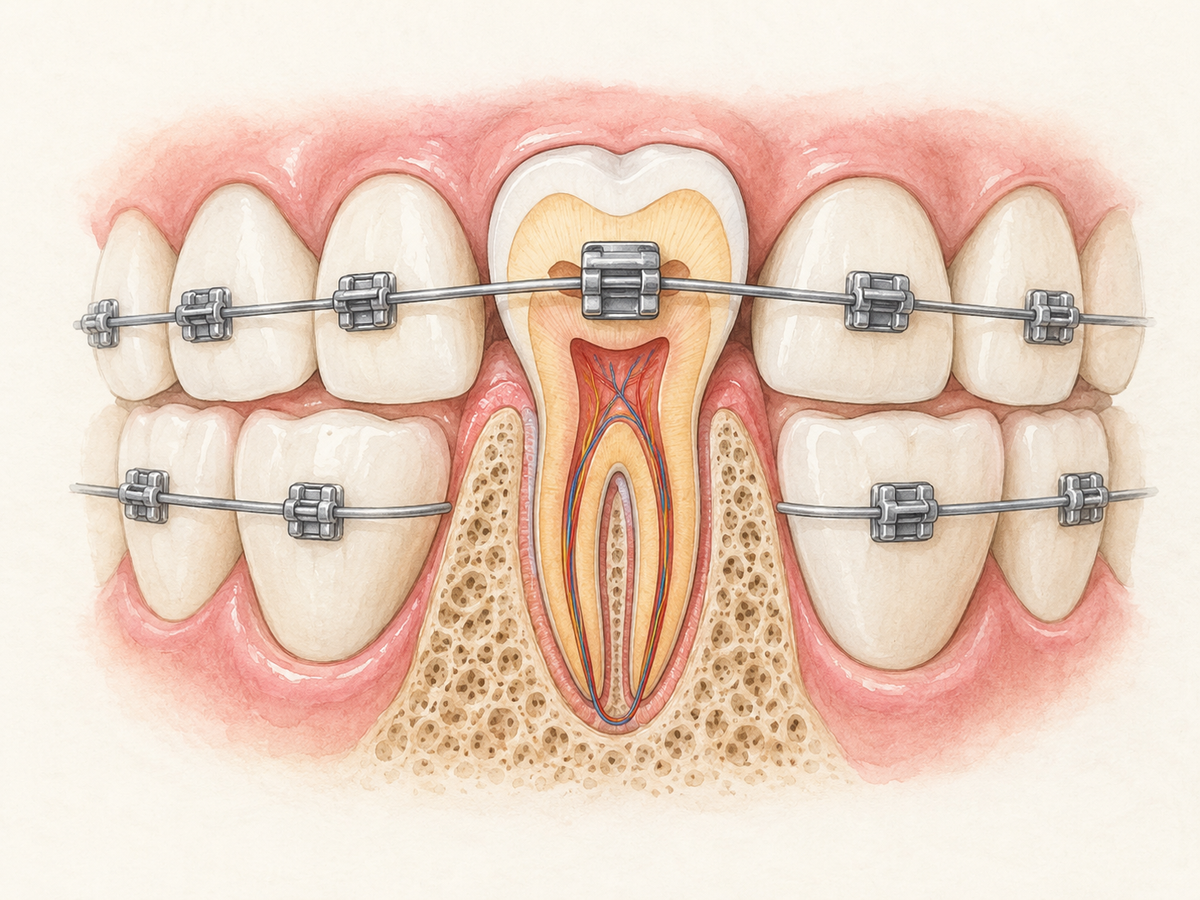
Six Ways to Get Affordable Braces for Adults
This article explains six ways adults can afford braces, including dental schools, insurance, payment plans, financing, discount plans, and assistance programs.

Tooth Pain After a Filling: What’s Normal and When to Call
Tooth pain after a filling is normal if it fades within two weeks, but throbbing, swelling, night pain, or pain that worsens means you should call a dentist.

Learn how to identify common tongue blisters like canker sores, cold sores, and thrush, match treatment to type, and know when a sore needs medical care.


