










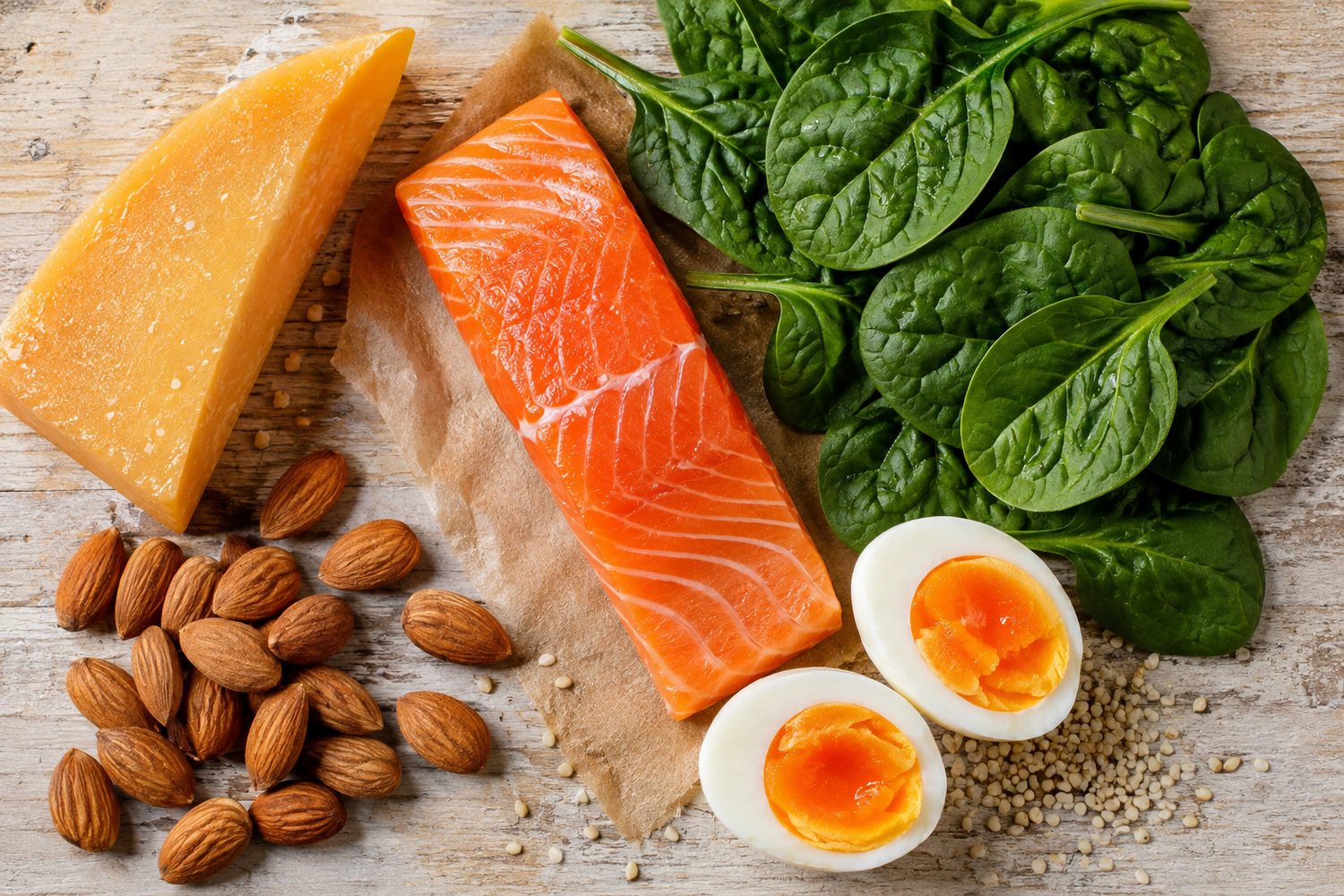
TL;DR – Your teeth are in a constant battle between demineralization and repair. What you eat supplies the minerals your enamel needs to win that battle. This article maps out exactly which foods actively rebuild and protect your teeth, which “healthy” items can secretly erode them, and how to combine foods for maximum cavity resistance.
Why Your Diet Decides Your Dental Health
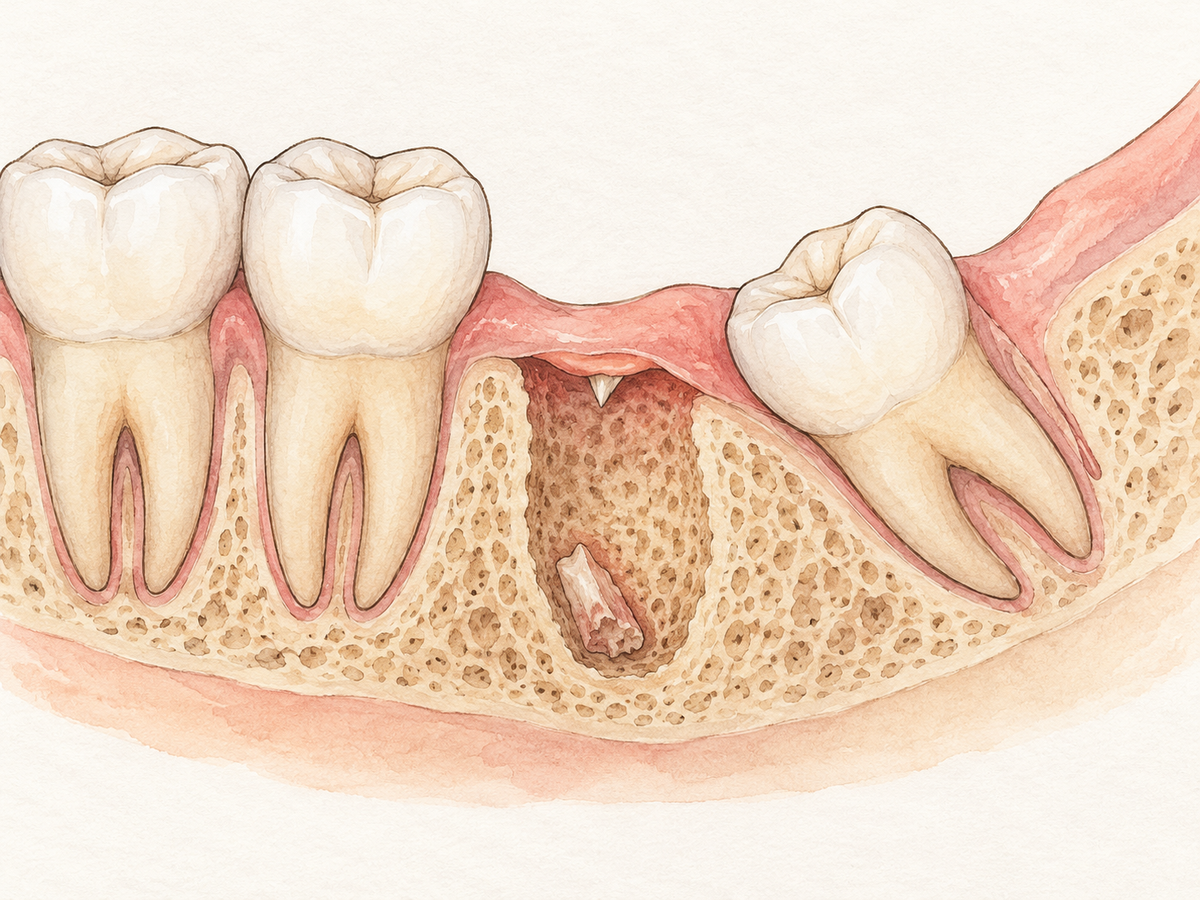
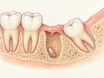
Every bite you take triggers a cascade inside your mouth. Bacteria in plaque feed on sugars and starches, releasing acids that strip minerals from tooth enamel—a process called demineralization. But here’s the good news: your teeth can repair themselves. Saliva delivers calcium and phosphate back into enamel, a natural healing loop known as remineralization.
Diet is the single most important modifiable risk factor for dental caries. A cross-sectional survey of over 11,000 adolescents found that a dietary pattern rich in sugary snacks raised caries risk by 47%, while a coarse-grains-rich pattern lowered it significantly. Reducing the intake frequency of sugary food and increasing the intake frequency of coarse grains can reduce the risk of dental caries.
When you eat foods that provide building-block minerals and stimulate saliva, you fuel that repair system. When you graze on sugars or acidic items all day, you keep your mouth in a state of acid attack. It’s not just what you eat—it’s how often. Every acid exposure lasts about 20 minutes before saliva can neutralize it. Snacking constantly means your teeth never get a break.
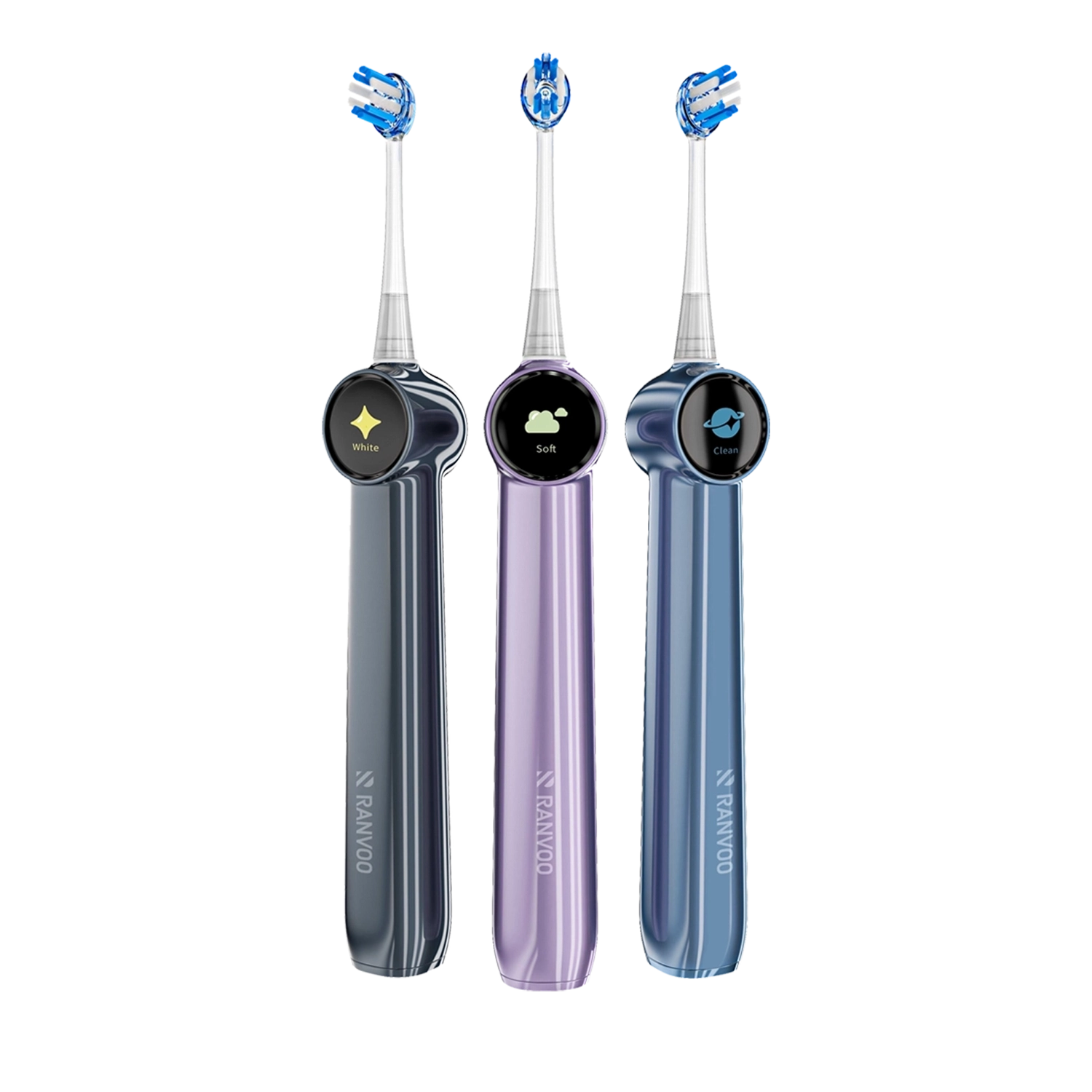
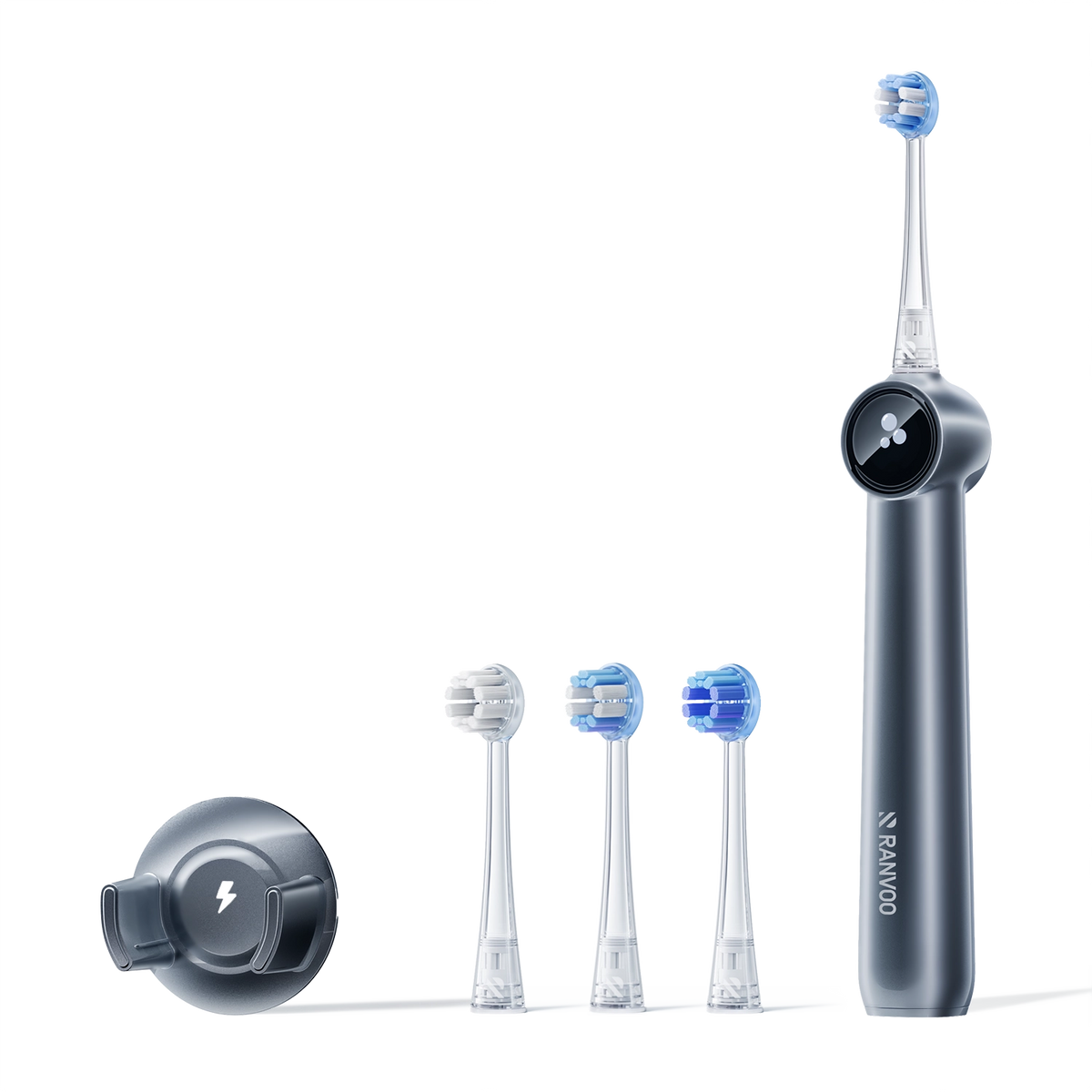
To make those minerals reach your enamel efficiently, plaque must be cleared away first. A thorough clean with an electric toothbrush removes the sticky biofilm that blocks enamel repair, allowing calcium and phosphate from your diet to actually do their job.

Strengthening Superfoods
These foods deliver the raw materials your enamel craves—calcium, phosphorus, and fat-soluble vitamins—in forms your body absorbs easily.

- Cheese – More than a calcium source. Cheese raises the pH in your mouth within minutes, neutralizing acid attacks. Its casein and whey proteins form a protective film on enamel, and the chewing action triggers a rush of saliva. In a systematic review of nutrition and caries prevention, dairy products like cheese were consistently associated with a protective effect against decay because of their unique combination of calcium, phosphate, and casein proteins that buffer plaque acids. Dairy products, including milk, yogurt, and cheese, represent one of the most important sources of calcium and phosphate, which are essential for enamel remineralization.
- Fatty fish (salmon, sardines) – Rich in vitamin D, which regulates calcium absorption. Without it, even a calcium-loaded diet can’t strengthen teeth effectively. Fatty fish also deliver omega-3 fatty acids that calm gum inflammation.
- Leafy greens (spinach, kale, collards) – These are packed with calcium, folate (a B vitamin that reduces gum inflammation), and fiber. They force you to chew, stimulating saliva. Spinach even provides vitamin K2, which helps direct calcium into teeth and bone.
- Eggs – Egg yolks are one of the few food sources of natural vitamin D, plus they provide phosphorus, the partner mineral to calcium in enamel’s crystal structure.
- Nuts and seeds – Almonds and sesame seeds bring calcium; pumpkin seeds and Brazil nuts deliver phosphorus and magnesium. The physical chewing also boosts saliva flow. One nuance: nuts contain phytic acid, an antinutrient that can bind minerals. Soaking or sprouting nuts before eating reduces that effect, making the minerals more bioavailable.
The Crunch Factor: Nature’s Toothbrushes
Crisp, fibrous fruits and vegetables don’t just scrub your teeth—they activate your mouth’s built-in repair fluid.
Saliva is the unsung hero of dental health. It dilutes sugars, buffers acid, and carries calcium and phosphate to demineralized enamel. The act of chewing crunchy produce like apples, carrots, and celery mechanically disrupts plaque, while the fiber stimulates a flood of saliva. Think of it as a natural cleaning session after a meal.

- Celery goes a step further: its fibrous strands can actually work between teeth like a gentle floss, dislodging particles while you chew.
- Apples deliver malic acid, which can lightly remove surface stains, and their high water content helps rinse the mouth.
- Carrots are rich in vitamin A, essential for healthy saliva production and the maintenance of oral mucosa.
These foods aren’t substitutes for brushing, but they’re a satisfying hack to reduce acid damage between meals. The key is eating them whole—juicing strips away the fiber and leaves concentrated sugars that can feed bacteria instead.
Drinks That Build, Not Break
What you sip throughout the day matters just as much as what you chew.
- Fluoridated tap water – The ultimate dental drink. It rinses away food debris, dilutes acids, and delivers fluoride ions that convert enamel’s hydroxyapatite into more acid-resistant fluorapatite. The EFP/ORCA consensus report on caries and periodontal disease prevention confirms that routinely performed oral hygiene with fluoride is the most important behavioral factor affecting both conditions. The most important behavioural factor, affecting both dental caries and periodontal diseases, is routinely performed oral hygiene with fluoride.
- Green and black tea – Both contain polyphenols that inhibit Streptococcus mutans, the primary cavity-causing bacteria. Green tea is a natural fluoride source, while black tea’s polyphenols can thicken the protective salivary pellicle on enamel. An exploratory study on periodic polyphenol treatment found that black tea increased the pellicle’s thickness and density, reducing calcium release during acid challenges. Consumption of polyphenolic beverages can enhance the anti-erosive potential of the enamel pellicle.
- Milk – Like cheese but liquid, it provides calcium, phosphate, and casein. It also has a neutral pH that helps buffer acids. For children especially, milk after a sugary treat can reduce the subsequent acid spike.
Avoid sipping acidic or sugary drinks over long periods. If you do have an occasional soda or fruit juice, use a straw to bypass teeth, and never swish it around your mouth.
Hidden Enemies Disguised as Healthy
This is where many people get frustrated. You switch to a “clean” diet and suddenly your dentist mentions erosion. The culprit? Surprising acid sources that soften enamel without tasting sweet.
- Citrus fruits (lemons, grapefruits, oranges) – The citric acid is potent enough to cause measurable calcium loss. A laboratory study on beverage erosion found that orange juice led to a 17% loss of calcium from enamel, even after brief exposure. Pepsi-Cola and orange juice caused substantial erosion, with Pepsi-Cola resulting in a nearly 24% loss of calcium. The fix: never suck on lemon wedges or drink hot lemon water first thing in the morning. Pair citrus with a meal that contains cheese or yogurt to neutralize the acid, and rinse with plain water afterward.
- Dried fruit – It’s sticky, concentrated sugar. The drying process removes water, so what’s left clings to grooves in teeth far longer than fresh fruit. If you eat dried apricots or raisins, do so at mealtime and follow with a crunchy vegetable to help clear the debris.
- Kombucha and apple cider vinegar – Trendy, but often extremely acidic (pH well below 4.5). A clinical study on erosive tooth wear found that vegetarians and lacto-ovo vegetarians—groups more likely to consume such beverages—had up to four times the risk of erosive wear compared to omnivores. Being a vegetarian or a lacto-ovo vegetarian entailed an increased risk (4 times and 2.5 times, respectively) of presenting erosive tooth wear than being omnivorous. If you drink these, use a straw, don’t brush for at least 30 minutes afterward, and consider a fluoride mouthwash to help remineralize.
You don’t have to eliminate these foods. Just consume them smartly—pair, rinse, and wait.
Timing and Pairing for Maximum Protection
The frequency of acid attacks matters more than the total sugar you eat in one sitting. Every time you eat, your mouth pH drops. If you snack five times a day, that’s about 100 minutes of acid damage. If you eat the same foods in two meals, you cut that exposure dramatically.
Structure your eating with these principles:
- End a meal with a tooth-strengthening food. A small piece of cheese or a few almonds can raise mouth pH and start the remineralization process.
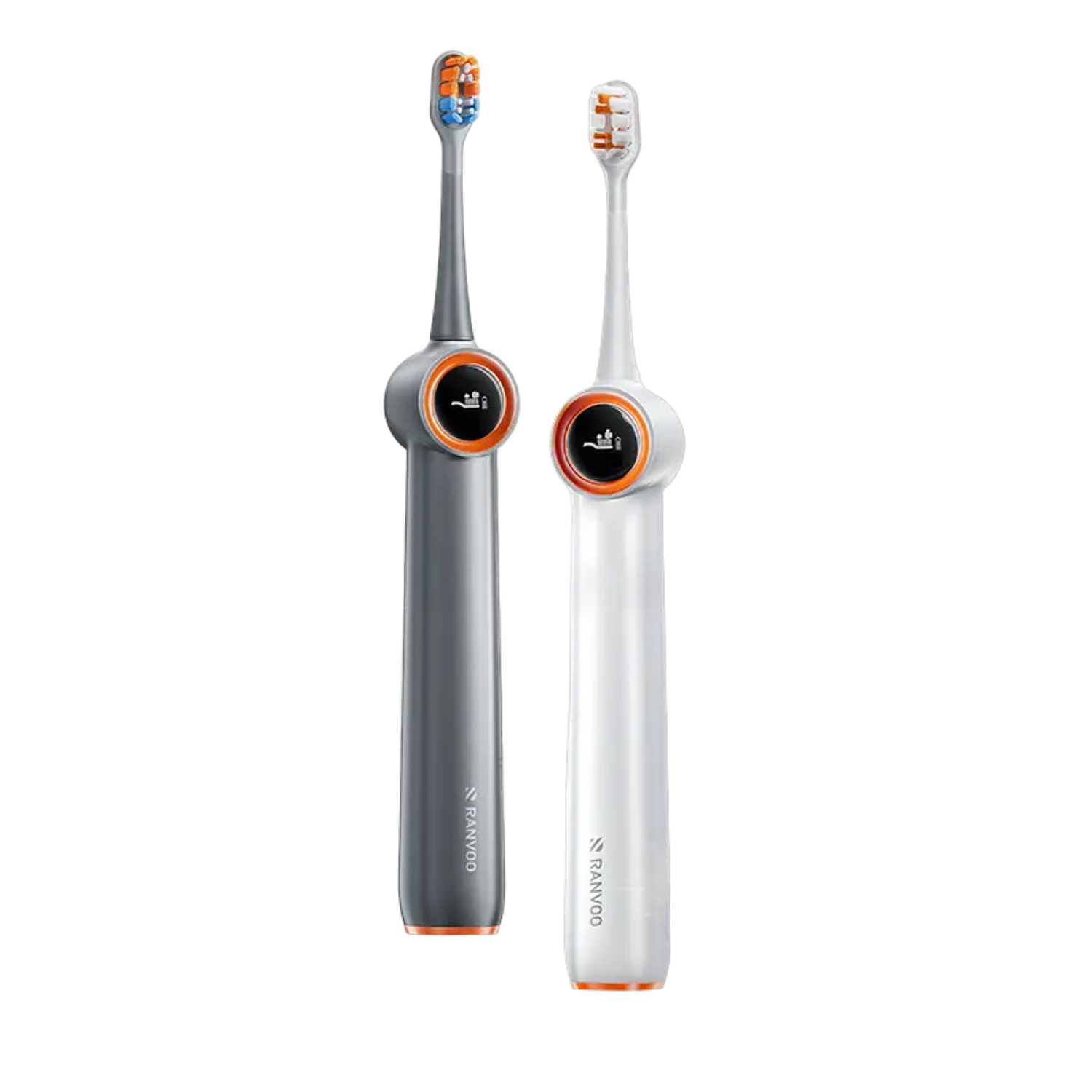
- Don’t brush immediately after acidic foods or drinks. Enamel is temporarily softened by acid; brushing right away can scrub away surface minerals. Wait at least 30 minutes. If you need a quicker clean, a power toothbrush with a pressure sensor can be a safer choice because it reduces the tendency to scrub aggressively, using gentle fluid dynamics to clean without grinding softened enamel.
- Pair acidic foods with alkaline or mineral-rich counterparts. Squeeze lemon over a salmon fillet, not straight into water. Mix berries with plain yogurt. The combination buffers acid and adds calcium.
- Chew sugar-free gum with xylitol after meals. Xylitol starves oral bacteria and stimulates saliva, accelerating the return to a neutral pH.
Final Bite: Your Tooth-Hardening Plate
Build your meals around this simple pattern, and you’ll continuously fortify your teeth while eating.
At every meal, aim for:
Protein (fatty fish, eggs, or lean meat) + leafy greens + a crunchy vegetable + a small dairy piece + water or unsweetened tea.
That plate delivers calcium, phosphorus, vitamin D, vitamin C, and fiber—along with the saliva stimulation that pushes those minerals right where they’re needed. Reduce snacking windows to three or four daily eating occasions, and you give your teeth the long rest periods they need to rebuild.
Your teeth are not static. They’re living structures that respond to the nutrients you provide. Every meal is an opportunity to either wear them down or build them up. Armed with this knowledge, you now hold the power to choose the latter—one delicious bite at a time.
 Best Overall
 Best Value
 Best for Sensitive Teeth
This article has been reviewed by an oral health professional for accuracy. It is intended to provide general educational information and should not be used as a substitute for personalized medical advice, diagnosis, or treatment. If you have questions or concerns about your oral health, please consult a dentist, physician, or other qualified healthcare provider.