


















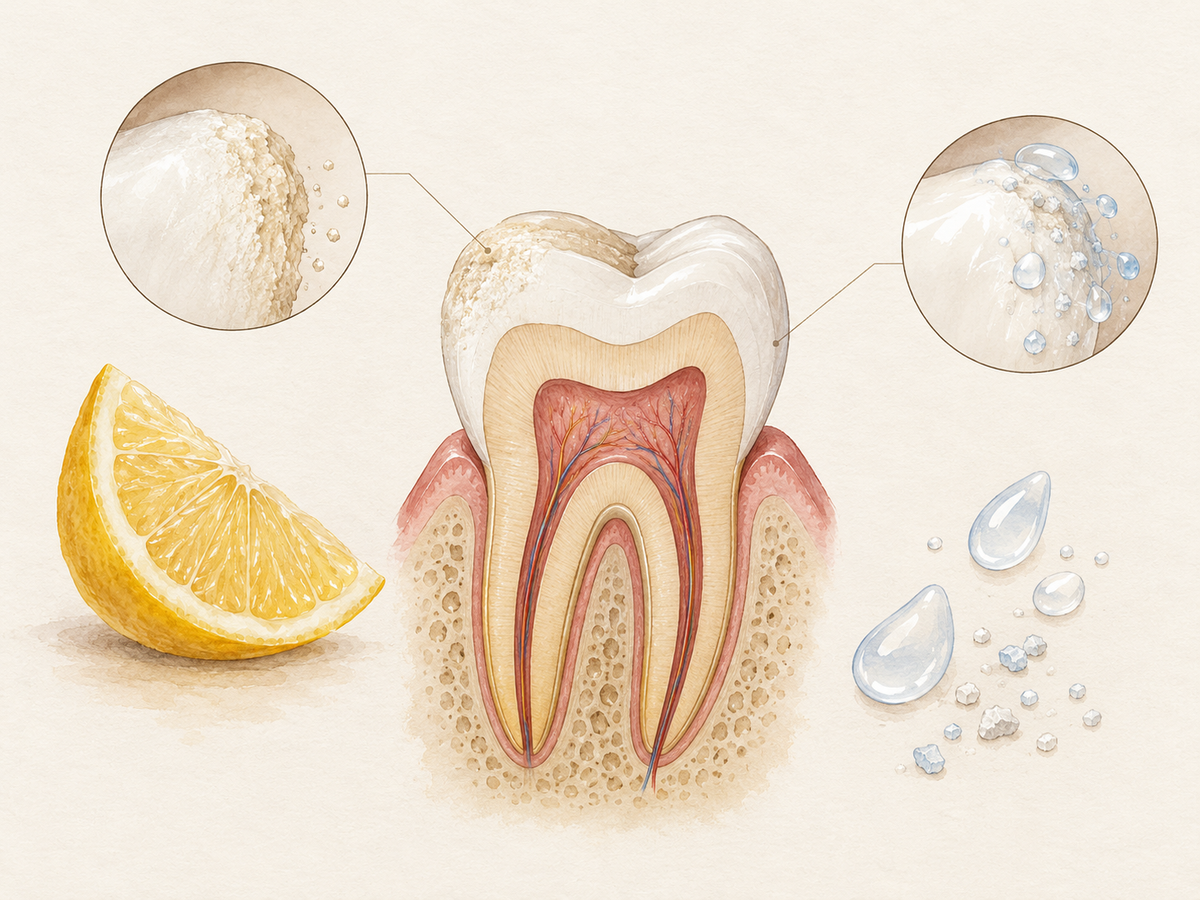
Acidic fruits and drinks can soften enamel; learn why frequency and timing matter and how rinsing, straw use, and fluoride habits reduce tooth erosion.
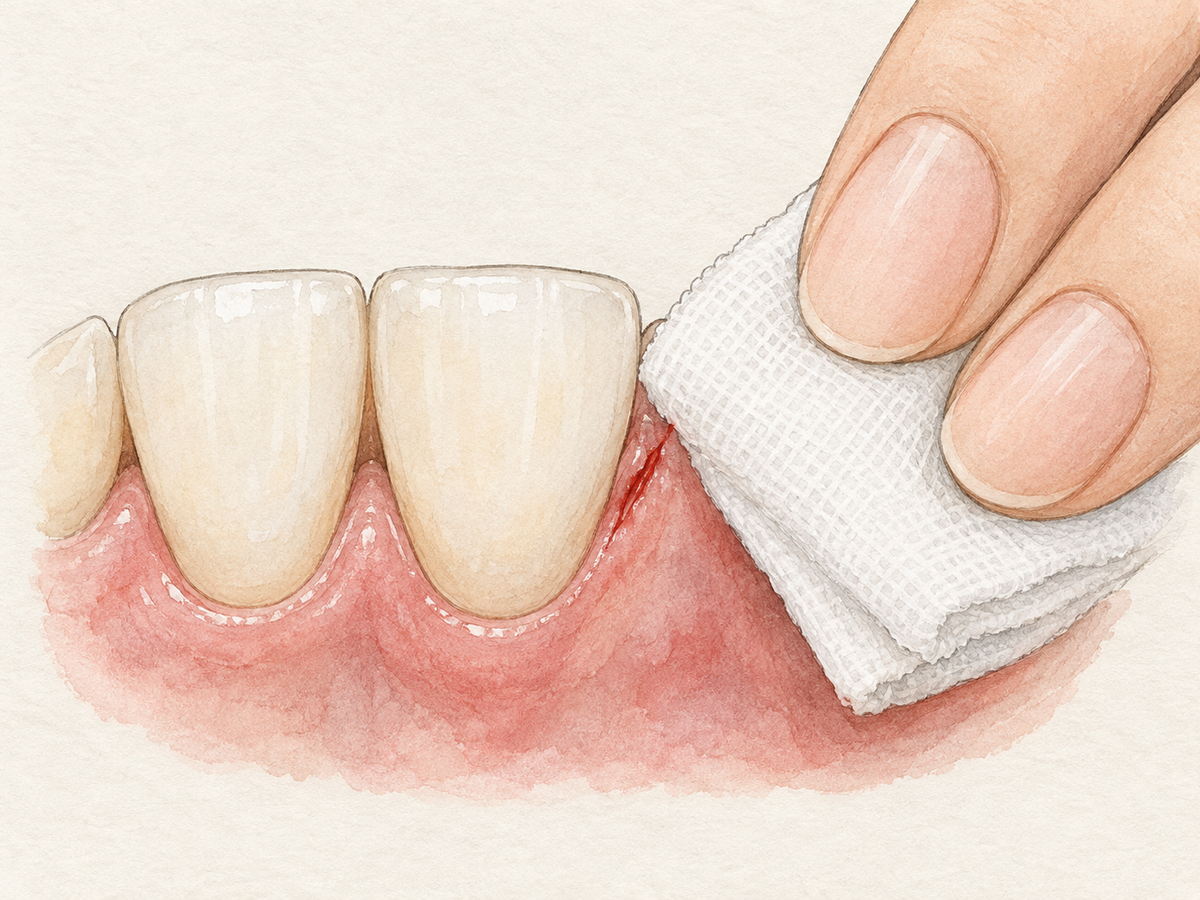
How to Care for a Cut on Your Gums
Stop bleeding from a gum cut with saltwater rinses and 10–15 minutes of pressure, then follow home care, infection signs, and dentist-visit guidance.
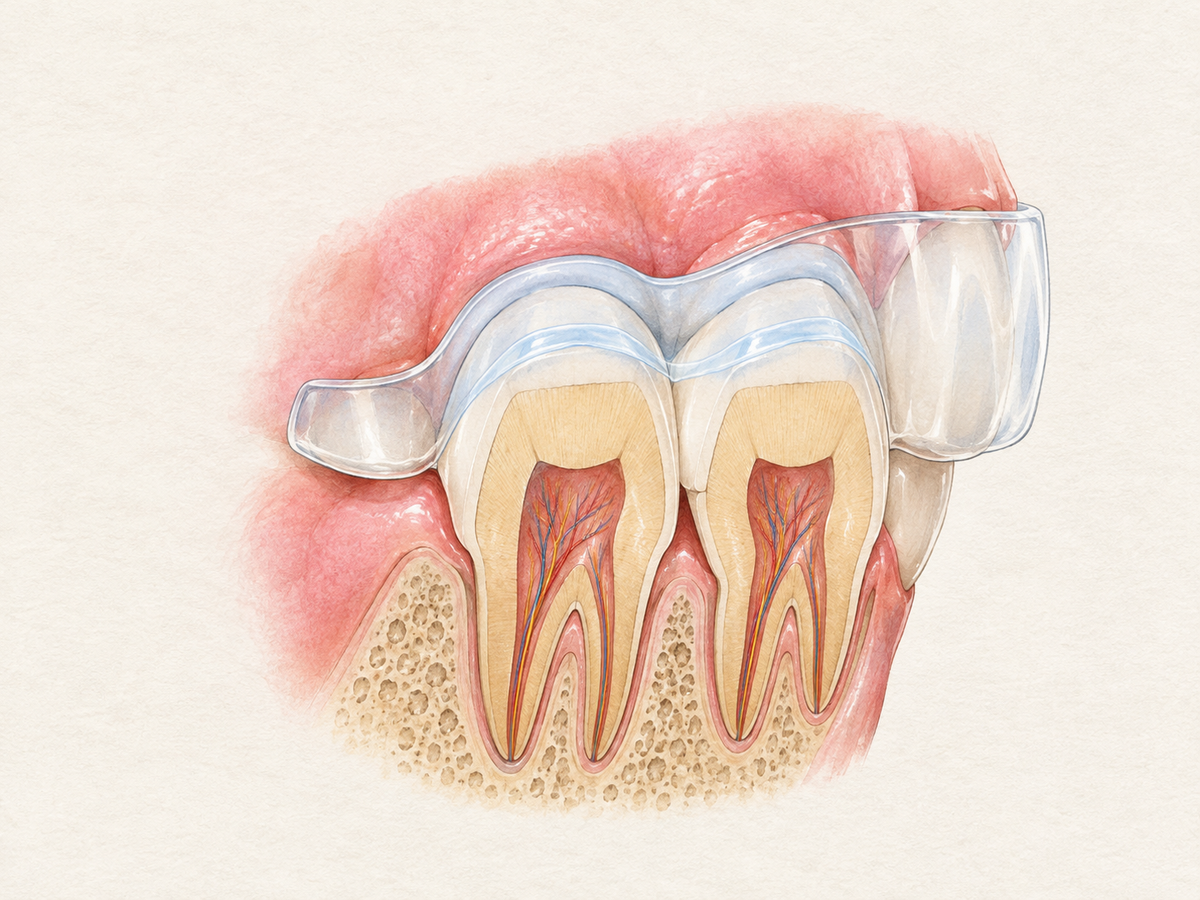
How to Safely Use Tooth Whitening Gel at Home
Use at-home tooth whitening gel safely by checking your mouth first, applying the labeled amount, and stopping for pain or gum irritation.
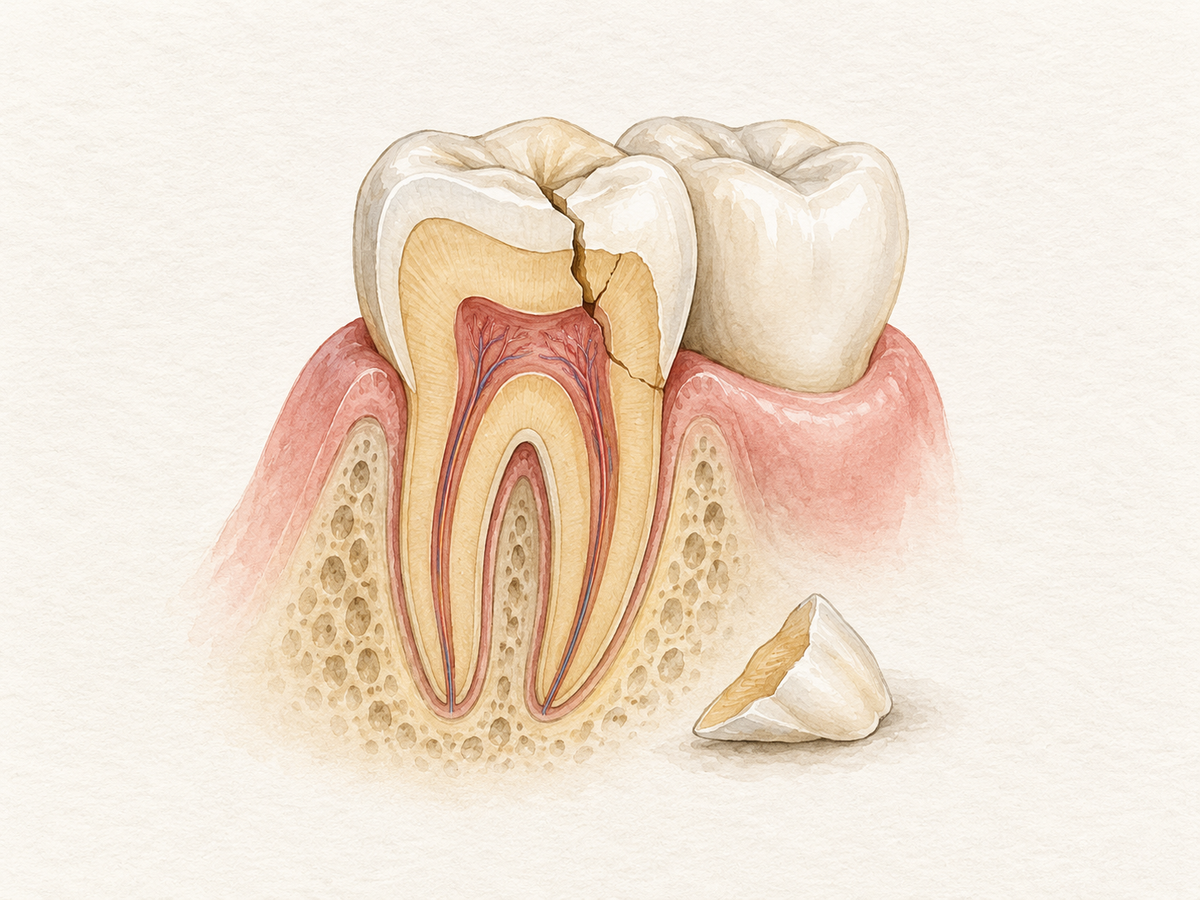
What to Do With a Broken Tooth
Explains how to assess a broken tooth, give safe first aid, save knocked-out teeth, control pain, and know when to seek urgent dental care.
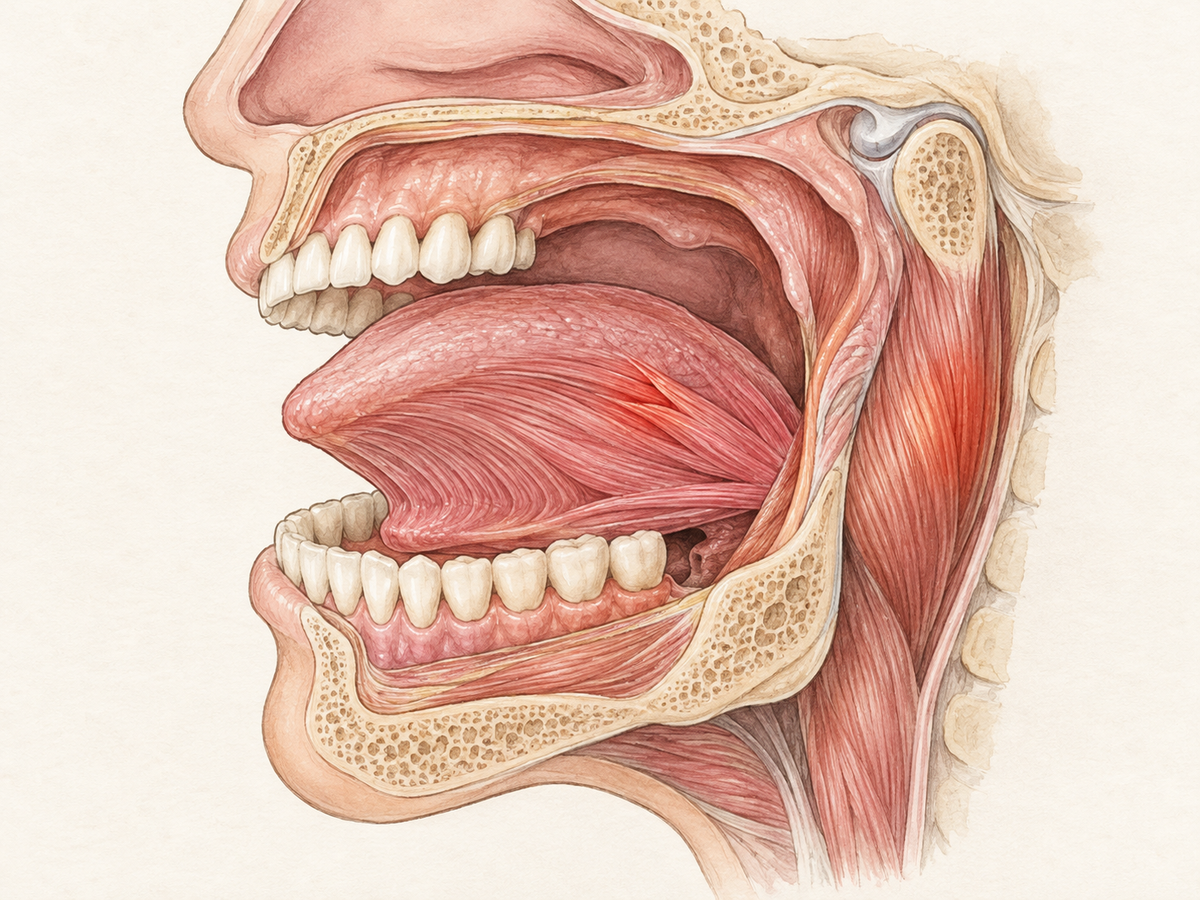
Common tongue spasm causes include caffeine, jaw clenching, overuse, and stress; persistent, one-sided, or weakness-related spasms warrant medical evaluation.
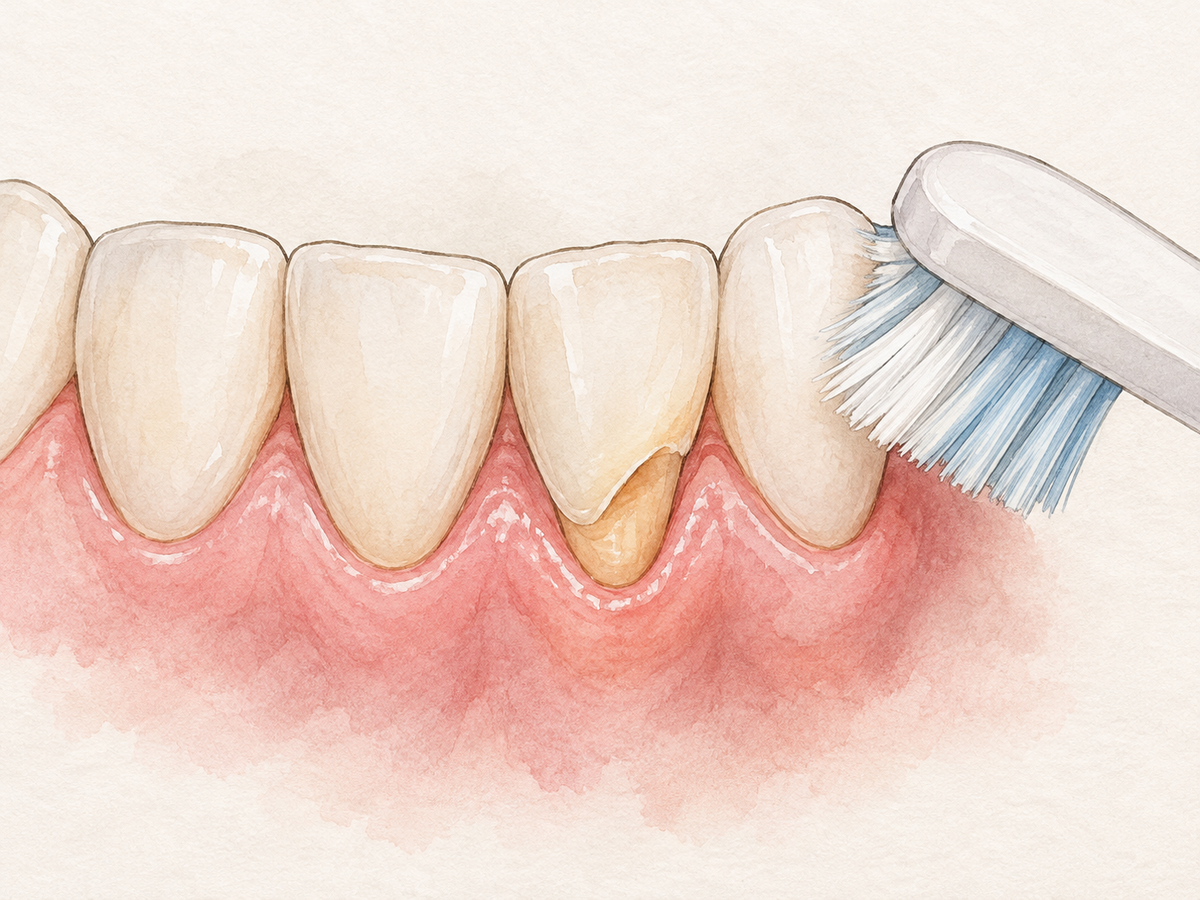
Overbrushing Teeth Damages Gums and Enamel
This article explains the signs and risks of overbrushing and how to brush twice daily with gentle pressure, soft tools, and a two-minute technique.
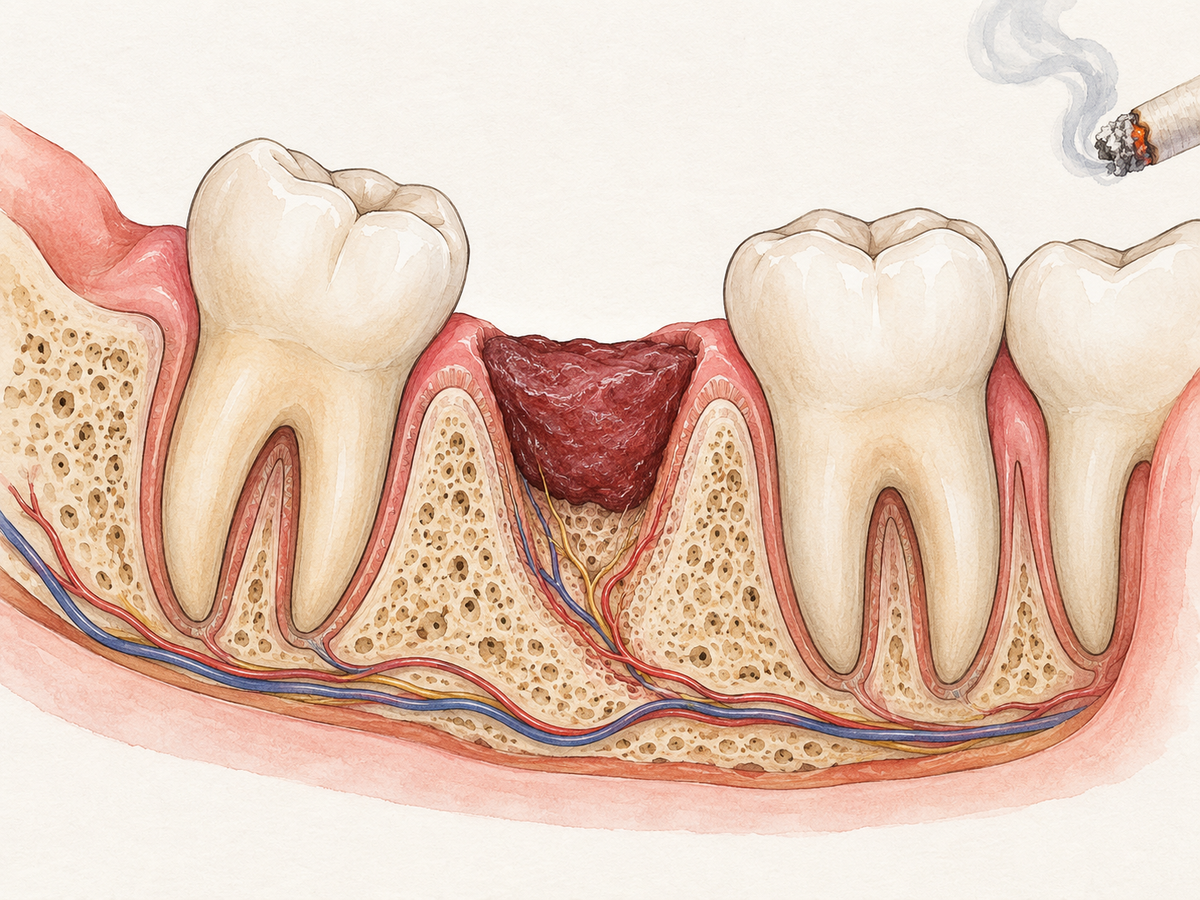
Smoking After Wisdom Teeth Extraction
Avoid smoking for at least 72 hours after wisdom teeth extraction to lower dry socket risk; know warning signs, timelines, and vaping/nicotine substitute risks.


