


The Quick Answer
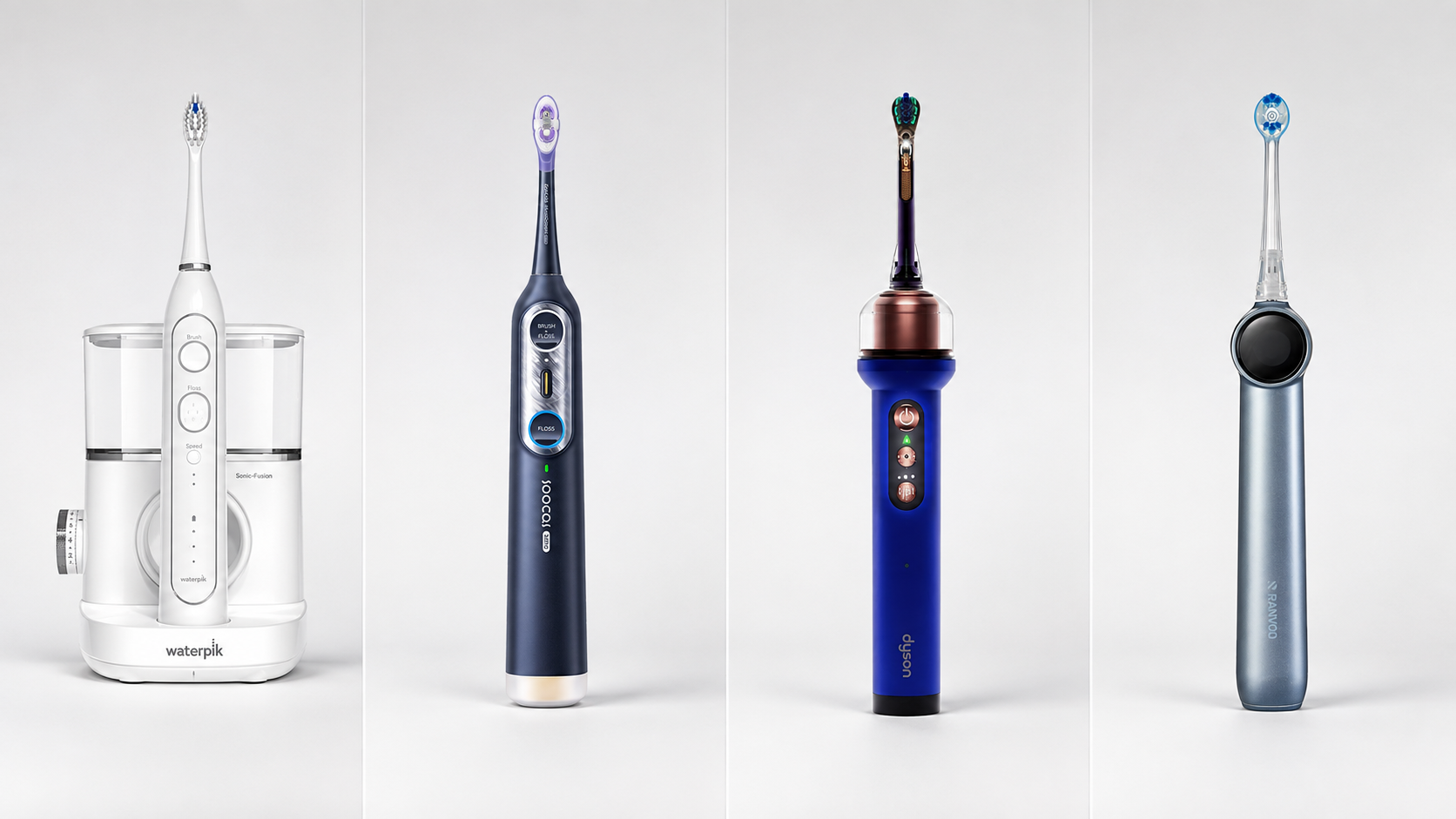
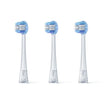
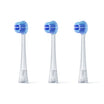
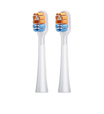
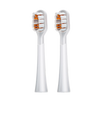
The RANVOO AirJet X5 is our best overall electric toothbrush for braces.
Brackets and archwires create small spaces that ordinary brush heads cannot always enter. The AirJet X5 addresses this problem with two cleaning actions:
- Soft bristles clean the exposed tooth surfaces.
- AirJet microbubble flow moves around brackets, beneath the wire, and into narrow gaps.
If you prefer a stronger, more direct stream of water, consider the Soocas NEOS II. For a countertop system with adjustable water pressure, the Waterpik Sonic-Fusion 2.0 is the better fit.
For braces, bristle movement should not be the only feature that matters. A useful toothbrush should also move air, water, or microbubbles through the spaces that bristles struggle to reach.
Our five picks are:
- RANVOO AirJet X5 — Best overall
- Soocas NEOS II — Best cordless water-jet option
- Waterpik Sonic-Fusion 2.0 — Best countertop system
- RANVOO AirJet X3 — Best lower-cost AirJet toothbrush
- Dyson CameraJet — Best smart precision-jet technology
These products do not eliminate the need for good technique. Depending on your orthodontist’s advice, you may still need an interdental brush, floss threader, or another cleaning aid.
Prices and availability were checked on September 18, 2026. They can change.
Quick Comparison
| Product | Cleaning action beyond bristles | Reference price | Score | Best for |
|---|---|---|---|---|
| RANVOO AirJet X5 | Continuous AirJet microbubble flow | $149.99 | 9.2/10 | Most braces wearers |
| Soocas NEOS II | 0.6 mm integrated water jet | $149.99 | 9.0/10 | Cordless water flossing |
| Waterpik Sonic-Fusion 2.0 | Adjustable countertop water flosser | $179.99 | 8.8/10 | Maximum pressure control at home |
| RANVOO AirJet X3 | Air-powered microbubble flow | $120 | 8.6/10 | Lower-cost AirJet cleaning |
| Dyson CameraJet | Camera-guided precision liquid jet | $499.99 | 8.3/10 | Early adopters who want guided cleaning |
Why Braces Need More Than Moving Bristles
A normal electric toothbrush mainly cleans where its bristles make contact.
Braces make that more difficult. Food and plaque can collect:
- Above and below each bracket
- Behind the archwire
- Around hooks and elastic attachments
- Between neighboring brackets
- Along the gumline
- Between teeth
A small brush head can improve control, but size alone does not solve the access problem. Even carefully angled bristles may not fully enter every narrow space around fixed hardware.
That is why this guide gives priority to toothbrushes with a second cleaning action.
Depending on the product, that may be:
- Air mixed with toothpaste and oral fluid to produce microbubbles
- A direct stream of water
- Pulsating water delivered through the brush head
- A camera-guided burst of mouthrinse
The purpose is not to replace brushing. It is to clean tooth surfaces with bristles while helping dislodge loose debris from areas with limited bristle contact.
An Important Note About the Evidence
Water flossers are useful for many braces wearers, but research does not show that every water-based product will produce the same result for every person.
One randomized trial found that water flossers and orthodontic super floss both reduced plaque, with no significant overall difference between them. Other longer-term studies did not find a clear advantage when water irrigation was added to regular brushing.
The sensible conclusion is:
A jet can make difficult areas easier to clean, but it is not a shortcut around careful brushing or professional advice.
The studies also evaluated particular water-flossing routines—not every toothbrush in this article. Newer technologies such as AirJet microbubbles and camera-guided jets have less independent, braces-specific clinical evidence.
How We Rated the Toothbrushes
We changed the scoring system to reflect the real cleaning challenge created by braces.
| Scoring category | Weight | What we considered |
|---|---|---|
| Cleaning beyond direct bristle contact | 30% | Airflow, microbubbles, water pressure, jet placement, and access around hardware |
| Bracket and wire access | 25% | Brush-head shape, maneuverability, and ability to clean above and below the wire |
| Gum comfort and pressure control | 20% | Soft bristles, gentle settings, adjustable pressure, and pressure feedback |
| Ease of daily use | 15% | Setup, reservoir filling, timer, battery life, cleaning, and portability |
| Price and ownership | 10% | Purchase price, replacement heads, accessories, and availability |
These are editorial scores. We did not conduct a new clinical trial or a controlled head-to-head test.
1. RANVOO AirJet X5 — Best Overall
Score: 9.2/10

The AirJet X5 earns first place because its additional cleaning action works continuously while you brush and does not require a built-in water tank.
Air is drawn into the handle and delivered through the hollow brush head. It mixes with toothpaste, saliva, and other liquid already in the mouth, creating a microbubble-rich flow around the bristles.
That design is particularly relevant to braces. The bristles handle the accessible surfaces, while the moving microbubbles can circulate around brackets and beneath the archwire.
RANVOO specifies:
- AirJet™ 2.0 microbubble cleaning
- 22,000 vibrations per minute
- A controlled 12-degree micro-oscillating sweep
- 0.01 mm soft bristles
- Four brushing modes
- Up to 60 days of claimed battery life
- A color display and magnetic wall charger
According to RANVOO, the AirJet X5 produces 220,000 microbubbles per minute. Its plaque-removal figures are also manufacturer claims and should not be interpreted as independent proof that it cleans every braces-related space.
Why It Works Well With Braces
- The cleaning process does not depend entirely on bristle contact.
- Microbubble flow operates while you brush.
- The bristles are fine and soft enough for tender gums.
- The lower-frequency movement feels less aggressive than many high-speed sonic brushes.
- There is no water reservoir to fill before every session.
- The long battery life is convenient for travel.
What to Consider
- AirJet is not the same as a high-pressure water flosser.
- Its flow uses liquid already present in the mouth rather than firing a narrow stream from a water tank.
- Braces-specific independent research on the AirJet X5 remains limited.
- Replacement heads are not as widely available in physical stores as Oral-B or Philips heads.
Best for: Most people with fixed braces, especially those who want gentle everyday brushing with additional fluid movement and minimal setup.
2. Soocas NEOS II — Best Cordless Water-Jet Option
Score: 9.0/10

The Soocas NEOS II combines a sonic toothbrush and a water flosser in one cordless handle.
Unlike the AirJet X5, it carries its own water supply. After brushing, its fine water stream can be guided along the gumline, between teeth, and around brackets.
Soocas lists:
- 34,400 sonic movements per minute
- A 0.6 mm water stream
- Up to 124.3 PSI peak pressure
- A 50 ml built-in reservoir
- Three intensity settings
- A two-minute brushing cycle
- A one-minute flossing cycle
- More than 30 days of claimed battery life
- IPX8 water resistance
The tank provides approximately 90 intermittent sprays.
Why It Works Well With Braces
- The direct water stream is easy to aim beneath an archwire.
- The cordless design is easier to travel with than a countertop flosser.
- Brushing and water flossing are built into one device.
- Three intensity levels allow users to start gently after an adjustment.
- The separate flossing stage encourages more deliberate cleaning around every bracket.
What to Consider
- The handle is larger and heavier than a normal electric toothbrush.
- A 50 ml tank is compact, but it offers less continuous water than a countertop system.
- A strong jet should be introduced at a low setting if the gums are sore.
- Water can splash until you learn to keep your mouth partly closed and lean over the sink.
Best for: People who want a genuine water jet without keeping a large base unit on the bathroom counter.
3. Waterpik Sonic-Fusion 2.0 — Best Countertop System
Score: 8.8/10

The Waterpik Sonic-Fusion 2.0 combines sonic brushing with water flossing delivered through the center of its brush head.
It offers three operating choices:
- Brush
- Floss
- Brush and floss together
Its large countertop reservoir provides more than 60 seconds of water-flossing time. The pressure dial has 10 settings, making it easier to begin gently and increase the pressure only when comfortable.
Other useful features include:
- High and low brush speeds
- A two-minute timer
- A 30-second pacer
- Compact and full-size brush-head options
- Global voltage
- An ADA-accepted design
Why It Works Well With Braces
- Ten pressure settings offer more control than most cordless products.
- Water is delivered directly from the center of the brush head.
- The large reservoir supports a full cleaning session.
- The compact brush head is easier to position around brackets.
- Users who frequently forget interdental cleaning can combine it with brushing.
What to Consider
- The base requires counter space and access to a power outlet.
- The handle remains connected to the base by a water hose during flossing.
- The complete system is inconvenient for travel.
- The water jet still requires careful positioning around every bracket.
Best for: Home users who want adjustable water pressure and do not mind keeping a countertop unit beside the sink.
4. RANVOO AirJet X3 — Best Lower-Cost AirJet Toothbrush
Score: 8.6/10

The AirJet X3 offers the same basic idea as the X5: bristles clean the tooth surfaces while an air-powered microbubble flow works around them.
It is a good choice for buyers who want AirJet cleaning but do not need all the upgrades included with the X5.
Its specifications include:
- Three cleaning modes
- Approximately 15,600 to 21,600 strokes per minute, depending on the mode
- Liquid-flow ratings of 500 to 800 ml per minute
- A roughly 12-degree oscillating movement
- Up to 37 days of rated battery life with the air pump active
- An IPX7-rated handle
- A color display and magnetic wall mount
Why It Works Well With Braces
- It adds microbubble flow without a separate water tank.
- Its softer modes are suitable for tenderness after an adjustment.
- The design is lighter and simpler than many toothbrush-and-flosser combinations.
- It costs less than most integrated water-jet toothbrushes.
What to Consider
- The X5 offers a stronger and more refined AirJet system.
- This is microbubble flow, not a narrow stream that can be aimed tooth by tooth.
- The savings compared with a discounted X5 may sometimes be small.
- Replacement heads must be purchased from a more limited ecosystem.
Best for: Buyers who want air-assisted brushing at the lowest practical entry price.
5. Dyson CameraJet — Best Smart Precision-Jet Technology
Score: 8.3/10

The Dyson CameraJet takes the most technologically ambitious approach.
A 100,000-pixel macro camera analyzes the mouth, identifies gaps between teeth, and triggers a targeted liquid jet. It can also provide live video, coverage mapping, and technique guidance through the MyDyson app.
Dyson lists:
- Gap Optical Targeting
- Automatic or manual jet control
- Up to 0.15 ml of liquid per jet
- Three cleaning modes
- Gentle, Variable, and Deep Clean intensities
- Pressure and technique feedback
- A 12.5 ml handle tank
- A refill and charging dock
- Around 10 days of claimed battery life
- A $499.99 US price
Why It Is Interesting for Braces
- A targeted liquid jet is more precise than general fluid movement.
- The camera can help users see areas they normally miss.
- Automatic and manual jet modes provide different levels of control.
- Pressure feedback may reduce aggressive brushing.
- The live view can make technique problems easier to understand.
What to Consider
- The system is extremely expensive.
- It is new, so long-term ownership information is limited.
- Dyson’s gap-detection system is designed primarily around interdental spaces; braces-specific performance has not been independently established.
- The camera may have a more complicated view when brackets, wires, toothpaste, and foam are present.
- It works best with Dyson’s low-foaming oral-care system.
- Genuine RFID-equipped replacement heads are required.
Best for: Technology enthusiasts who want camera guidance and a highly targeted jet—and who are comfortable paying a large premium for it.
AirJet, Water Jet, or Camera-Guided Jet?
These technologies should not be treated as identical.
| Technology | How it works | Main advantage | Main limitation |
|---|---|---|---|
| AirJet microbubbles | Air mixes with toothpaste and liquid in the mouth | Continuous assistance with no water tank | Less direct than a concentrated water jet |
| Integrated cordless water jet | Water is stored inside the handle and fired through a fine outlet | Portable and easy to aim | Small reservoir |
| Countertop water flosser | A base supplies adjustable pulsating water | Strong pressure control and long runtime | Bulky and tied to the sink |
| Camera-guided liquid jet | A camera detects gaps and triggers targeted bursts | Precise and provides visual guidance | Expensive and relatively unproven for braces |
What to Look for in a Toothbrush for Braces
1. A Real Second Cleaning Action
Do not rely on terms such as “sonic fluid action” alone. Look for an actual air channel, microbubble system, water outlet, or integrated irrigator.
2. Soft Bristles
Braces do not require stiff bristles. Firm brushing can irritate the gumline and cause brush heads to wear quickly against brackets.
Choose soft, end-rounded bristles and replace the head when it begins to spread or snag.
3. Adjustable Intensity
Gums and teeth may feel tender after an orthodontic adjustment. A usable gentle mode helps you continue cleaning instead of avoiding sore areas.
For a water jet, start at a low setting.
4. A Head That Fits Around the Hardware
The head should be narrow enough to clean:
- Above the bracket
- Below the bracket
- Directly over the bracket
- Along the gumline
- Behind the back teeth
Fluid movement helps, but it cannot compensate for rushing across the front of the braces.
5. A Routine You Will Actually Follow
A powerful countertop system is useful only if you have the space and patience to use it.
A cordless product may be better if you brush after lunch, travel frequently, or share a small bathroom.
A Simple Braces-Cleaning Routine
Unless your orthodontist has given different instructions:
- Rinse your mouth to loosen large food particles.
- Angle the brush toward the gumline and clean above the brackets.
- Angle it upward and clean beneath the brackets and archwire.
- Pause briefly around each bracket instead of making one fast horizontal pass.
- Use the air, microbubble, or water-jet function slowly around the hardware.
- Clean between teeth with the method recommended by your dental professional.
- Check the back molars, hooks, and elastic attachment points in a mirror.
- Rinse and inspect the brush head for trapped debris.
Persistent swelling, bleeding, pain, bad breath, or white marks around brackets should be discussed with a dentist or orthodontist.
Final Verdict
The RANVOO AirJet X5 is the best electric toothbrush for braces in this comparison because it combines soft mechanical brushing with continuous microbubble flow in a simple cordless design.
Choose the Soocas NEOS II if you want a more direct water stream in a portable handle.
Choose the Waterpik Sonic-Fusion 2.0 if pressure control and a large water supply matter more than portability.
The RANVOO AirJet X3 offers a more affordable route into air-assisted brushing, while the Dyson CameraJet provides the most advanced targeting technology at a very high price.
The main buying rule is straightforward:
With fixed braces, choose a toothbrush that cleans the surfaces you can reach—and adds air or water for the spaces your bristles may miss.
No toothbrush guarantees complete cleaning around orthodontic hardware. Use gentle pressure, take your time, and follow the cleaning plan recommended by your own orthodontist.
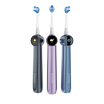
 Best Overall
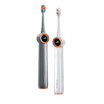
 Best Value
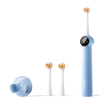
 Best for Sensitive Teeth