
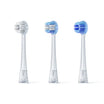
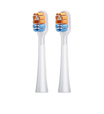
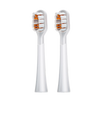



TL;DR: Charcoal toothbrushes may carry fewer bacteria on their bristles, but they don’t clean teeth any better than a standard soft brush. The abrasiveness can wear away enamel, irritate gums, and no model has earned the ADA Seal of Acceptance. If you want a safe, effective clean, stick with a regular nylon brush and fluoride toothpaste.
What Exactly Is a Charcoal Toothbrush?
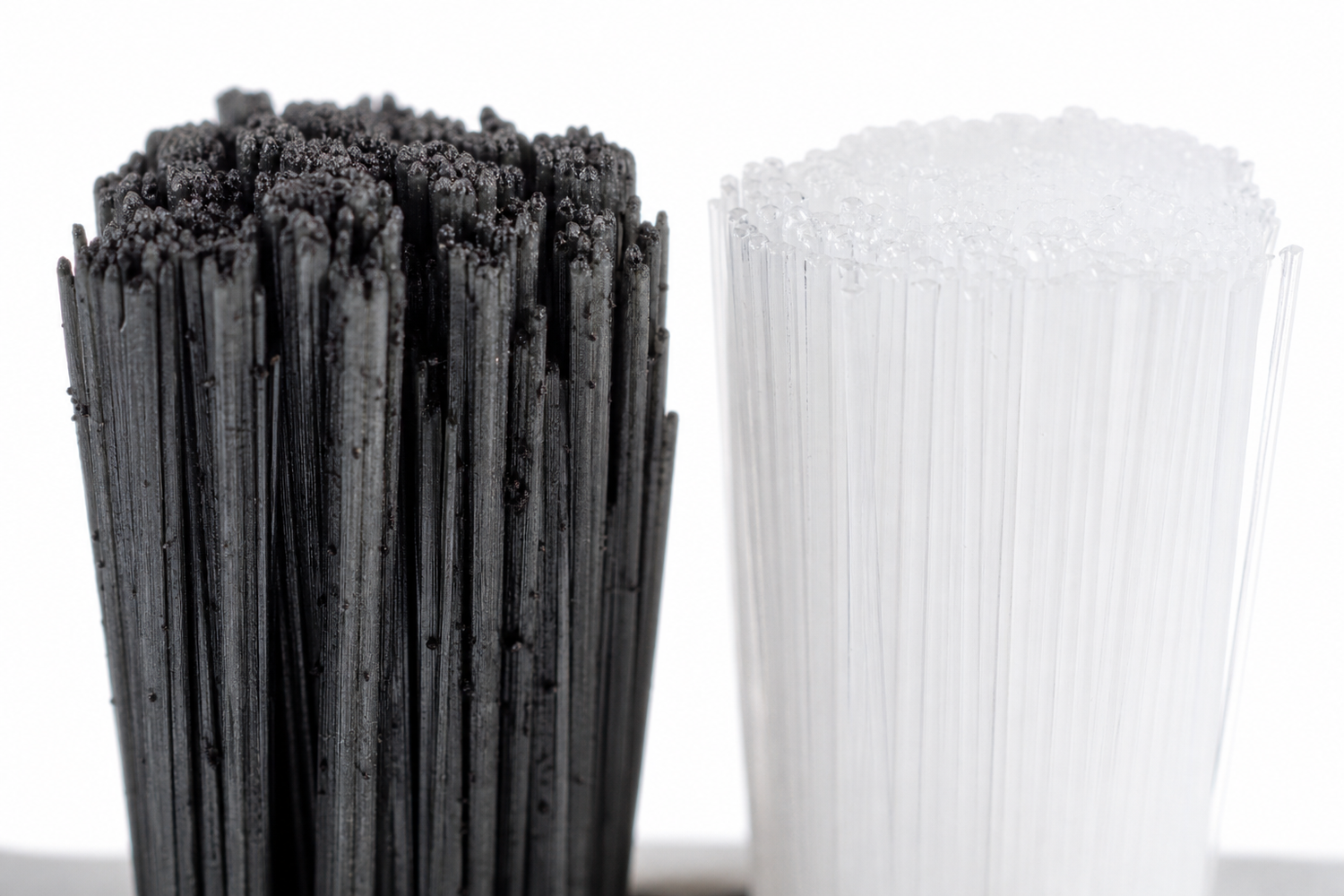
A charcoal toothbrush looks like any other manual brush, but its nylon bristles are coated or infused with fine activated charcoal powder. Manufacturers claim the charcoal “detoxifies” the mouth, whitens teeth, and fights bacteria by binding impurities. The idea borrows charcoal’s well-known adsorptive ability—used in water filters and emergency medicine—and applies it to oral care.

Charcoal-Infused Bristles vs. Standard Nylon: Key Differences
- Material: Nylon bristles laced with activated charcoal vs. plain nylon.
- Texture and stiffness: Often firmer or grittier, although soft variants exist.
- Marketing focus: Whitening, bacterial reduction, and breath freshening.
- Safety benchmark: Standard soft nylon brushes frequently carry the ADA Seal of Acceptance; no charcoal brush does.
The Theory Behind the Claims
Brands say activated charcoal “detoxifies” by pulling stains and odor-causing compounds from tooth surfaces. The logic: charcoal’s porous structure traps tannins from coffee, tea, and wine, leading to a brighter smile. The teeth whitening promise is strictly surface stain removal—it won’t change natural tooth color.
What the Research Actually Says
Studies on charcoal toothbrushes are sparse, so we lean partly on what’s known about charcoal powders and pastes.
Do Charcoal Toothbrushes Whiten Teeth?
Charcoal’s mild abrasiveness may scuff away some surface stains, but it doesn’t bleach. Hydrogen peroxide penetrates enamel to change color; charcoal merely scrubs the outer layer.
- Pros: Temporary improvement if stains are fresh.
- Cons: Ongoing abrasion can thin enamel, exposing the yellower dentin underneath—making teeth look darker over time.
A Consumer Reports article explains that charcoal toothpaste’s abrasiveness can backfire by removing too much enamel, revealing more dentin [source].
Enamel and Dentin: What Lab Tests Reveal
Enamel erosion is the main worry. One review notes that activated charcoal can aggravate teeth by eroding their enamel, and once it’s gone, it never regenerates [source]. There’s no standardized RDA (Relative Dentin Abrasivity) score for charcoal bristles, so brushes that feel “medium” or “firm” put aggressive brushers at high risk.
Can Charcoal Bristles Kill Bacteria?
The one area where charcoal shows a clear signal is bristle bacterial contamination. A randomized controlled study found that after one week, charcoal brushes had significantly fewer bacterial colonies than non-charcoal brushes, and 96.6% of participants showed a drop in bacteria in gum crevicular fluid [PMC7791587]. However, cleaner bristles don’t necessarily mean healthier teeth—plaque removal and gum outcomes in human studies show no consistent advantage.
Expert Consensus: A Clear “Buyer Beware”
Dental professionals overwhelmingly urge caution. “Activated charcoal shouldn’t be used on a long-term basis,” says Dr. Adatrow, and Dr. Kalasho warns that those with veneers or crowns “will cause irreversible damage” [Healthline]. Most dentists still recommend a standard soft-bristle brush, citing the lack of safety evidence and the absence of an ADA endorsement.
The Real Downsides of a Charcoal Toothbrush

Enamel Erosion and Tooth Sensitivity
Aggressive brushing with stiff, abrasive charcoal filaments can strip away the protective enamel, leading to tooth sensitivity. People with acid erosion, prior wear, or heavy scrubbing habits are most vulnerable. Once enamel is lost, the dentin underneath feels sharp or tingling sensations with hot, cold, or sweet foods.
Gum Recession and Soft Tissue Damage
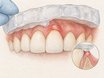
Firm charcoal bristles can traumatize the gumline, contributing to gingival recession. The black dust may also mask early bleeding signs, so you might overlook inflammation. This is a nontrivial risk—receding gums don’t grow back.
The Mess Factor and Missing Fluoride
Charcoal brushes shed dark residue that can stick to the sink, tongue, and gums. More importantly, the brush alone doesn’t supply fluoride. To prevent cavities, you must still use a fluoride toothpaste, and the combination of abrasive bristles and gritty paste can compound wear.
Charcoal Toothbrush vs. Regular Toothbrush: A Direct Comparison
| Feature | Charcoal Toothbrush | Standard Soft Nylon Brush |
|---|---|---|
| Plaque removal | At best equal; most studies show no difference | Proven effective |
| Whitening | Superficial stain removal only | No whitening beyond mechanical cleaning |
| Gum safety | Higher recession risk due to stiffness | Safe when used gently |
| Bacterial control on bristles | Lower CFU counts | May need regular disinfection |
| ADA Acceptance | None | Many models have the Seal |
| Cost | Often higher | Budget-friendly and widespread |
Plaque Removal: What the Data Tells Us
A Nigerian clinical study compared both types and found that “a charcoal-infused toothbrush was not better than the nylon bristle toothbrush in reducing plaque levels” after three weeks [source]. A separate crossover study noted slightly less bristle wear and marginally better plaque scores with charcoal at six weeks, but the differences were minimal and not clinically game-changing.
Why the ADA Hasn’t Given a Nod
No charcoal toothbrush carries the ADA Seal of Acceptance. That seal means the product has been evaluated for safety and efficacy—the abrasive nature of many charcoal variants keeps them from passing. The ADA consistently recommends soft-bristle brushes; if a charcoal brush feels anything but soft, it already falls outside that guidance.
When to Consider (or Avoid) a Charcoal Toothbrush
Scenarios Where You Might Experiment—With Great Caution
- You occasionally want to target fresh coffee or tea stains and you use an ultra-soft, flexibly-bristled charcoal brush.
- You plan to use it at most twice a week, alternating with a regular ADA-accepted brush.
Who Should Absolutely Not Use One
- People with sensitive teeth, worn enamel, or receding gums.
- Anyone with dental restorations (veneers, crowns, bonding).
- Aggressive brushers who tend to scrub rather than glide.
- Children, whose enamel is thinner and more easily abraded.
If You Still Want to Try: A Safe Usage Guide

- Choose an ultra-soft bristle charcoal brush. Check labels carefully—many charcoal brushes are medium-hard. If it feels stiff in the hand, it’s too hard for teeth.
- Always use a fluoride toothpaste. The brush alone won’t protect against cavities.
- Use light pressure and a 45-degree angle. Let the bristles reach just under the gumline without mashing. Think “massage,” not “scrub.”
- Limit use to a few times a week. Rotate with a standard soft-bristle nylon brush for daily cleaning.
- Replace every 3 months—or sooner—if bristles splay or fray, as worn charcoal tips can become even more abrasive.
Safer Ways to Whiten and Deep-Clean
- ADA-Accepted whitening toothpastes with silica or baking soda: low abrasivity, proven stain removal.
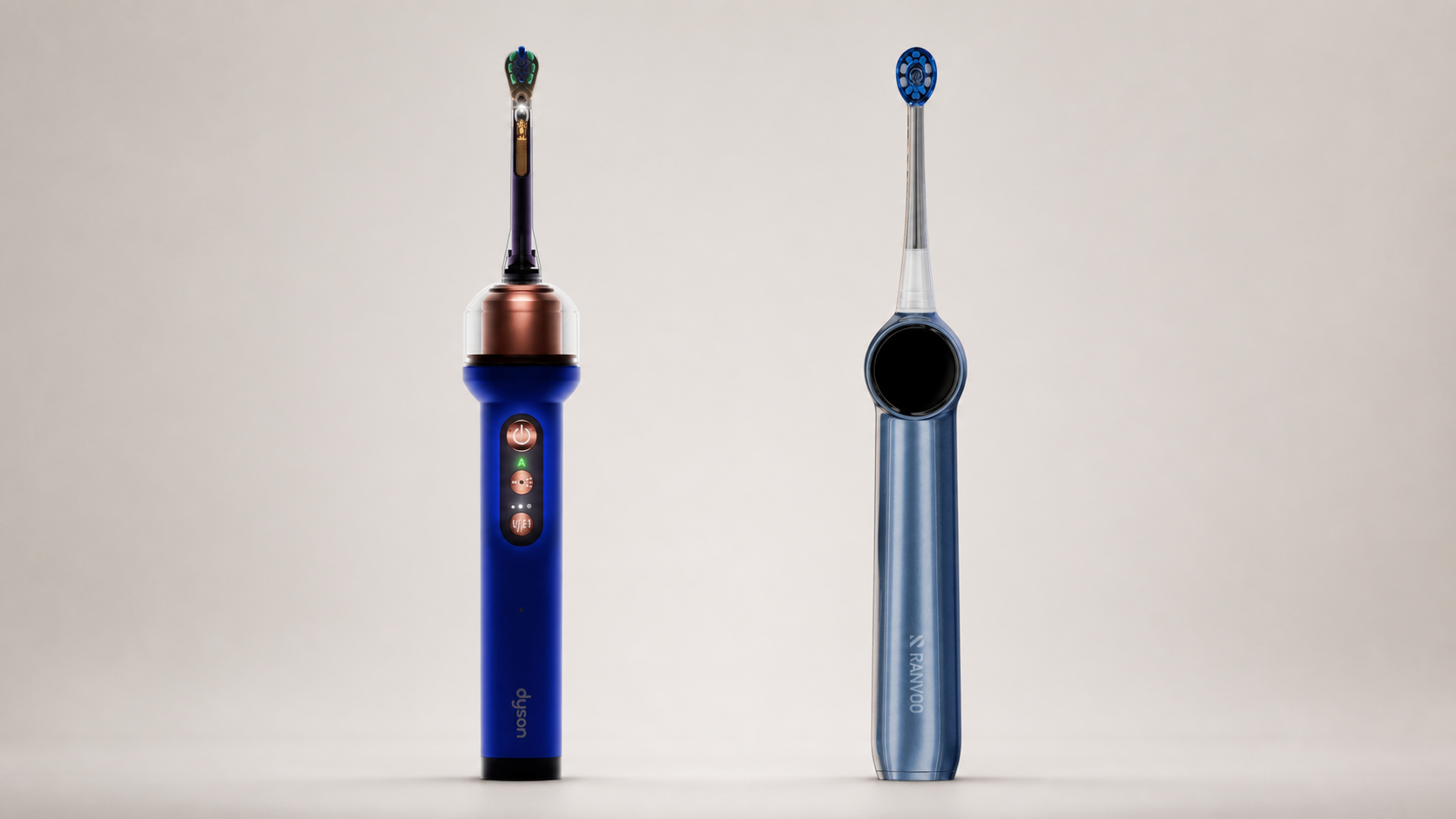
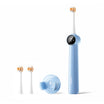
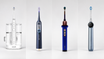
- Electric toothbrush with a pressure sensor: Oscillating-rotating brushes remove stains and plaque efficiently without overbrushing. For those with sensitive gums or a history of aggressive brushing, consider the RANVOO AirJet X5 Electric Toothbrush, which uses a gentle “bubble” technology to clean effectively while protecting enamel and gum tissue. Its built-in pressure sensor and soft-bristle design make it an ideal daily alternative for anyone worried about gum damage or tooth sensitivity.
- Professional in-office whitening or dentist-supervised take-home trays for predictable, safe results.
- Diet hacks: Rinse with water after staining drinks, use a straw for coffee or tea, and chew sugar-free gum to stimulate saliva.
The Bottom Line
Charcoal toothbrushes may host fewer bacteria on their bristles, but that single benefit doesn’t outweigh the documented risks to enamel and gums. No charcoal brush has earned the ADA Seal, and most dental professionals agree: a soft-bristle nylon toothbrush with fluoride toothpaste remains the gold standard. If whiter teeth are your goal, talk to your dentist about safe, effective options—your enamel is not a surface to experiment on.