

The verdict is clear: for almost everyone, a soft-bristle toothbrush is the safest and most effective choice. Hard and medium bristles can permanently damage your enamel and gums without cleaning any better.
Toothbrush aisles overflow with choices, but bristle firmness is the one decision that can protect you — or cause years of hidden harm. Here is exactly what the labeling means, why soft bristles always win, and the few rare moments when anything else might apply.
What Bristle Firmness Really Means
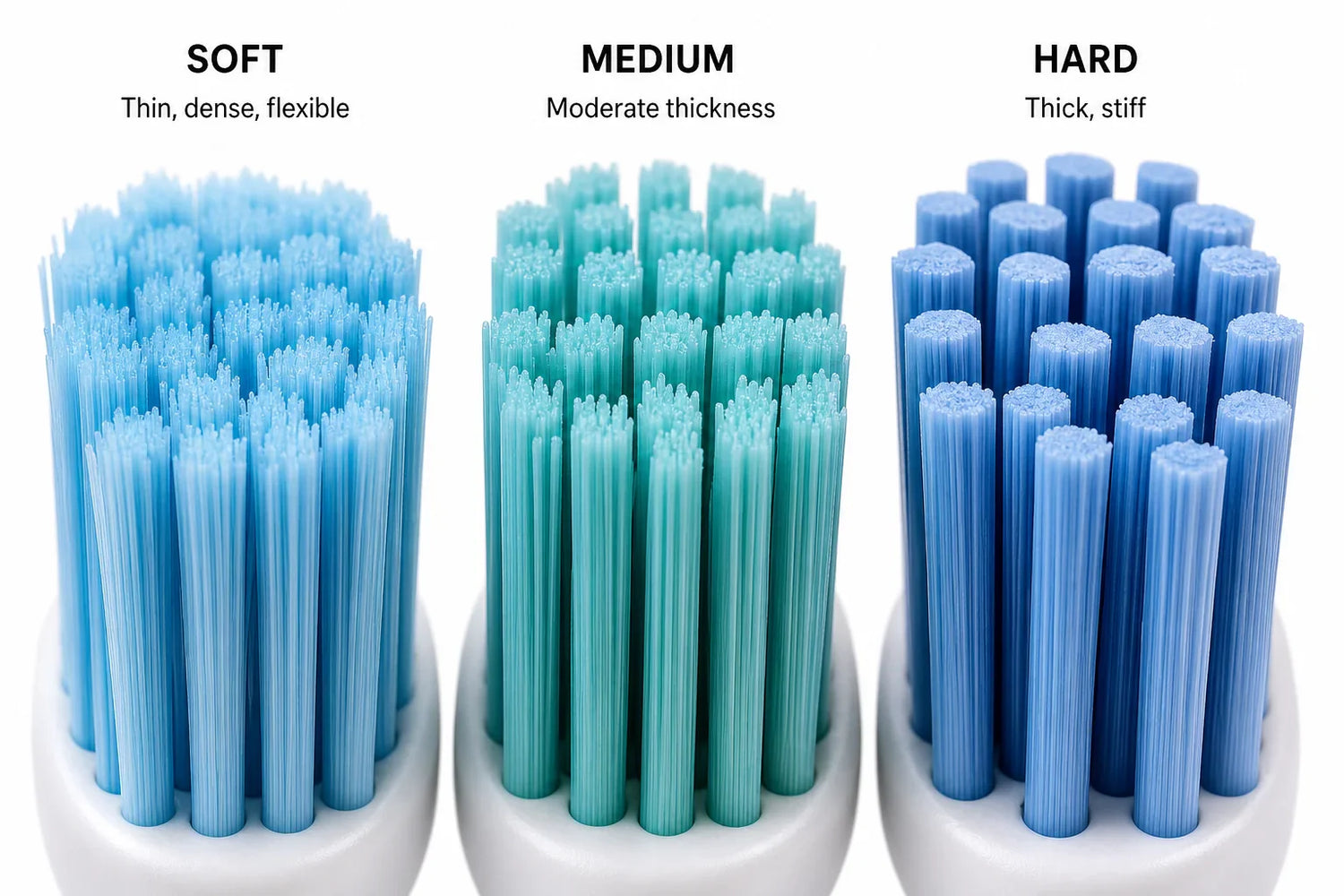
Toothbrush stiffness isn’t a marketing gimmick — it’s a physical standard. The International Organization for Standardization (ISO) classifies brushes by how much the tufted portion resists deflection under a set load. Put simply: thicker, stiffer filaments get a higher rating. The table below gives you a real-world feel for those differences.
| Bristle Type | Typical Filament Diameter | What You Feel |
|---|---|---|
| Extra-soft / Soft | 0.15–0.20 mm | Gentle, flexible, hugs tooth contours |
| Medium | 0.20–0.25 mm | Noticeably firmer, less forgiving |
| Hard / Firm | 0.25 mm and thicker | Very stiff, scratchy, high potential for damage |
All ADA-Accepted toothbrushes must have a bristle stiffness value ≤ 6 N/cm² — a strict safety benchmark. Brushes exceeding this threshold must pass an additional 90-day clinical study to prove they won’t injure soft tissues. In other words, any hard brush you find on a store shelf has already failed the basic safety recipe used by experts.

Why Dentists Overwhelmingly Recommend Soft Toothbrushes
The American Dental Association (ADA) states the consensus plainly: “people should brush their teeth for two minutes twice a day with a toothbrush that has soft bristles.” That recommendation runs through every major dental organization, from the Cleveland Clinic to Colgate’s professional hub. The reason is safety-first logic: soft bristles clean effectively while dramatically lowering your risk of injury.
- Soft bristles flex and sweep under the gumline without tearing delicate gingival tissue.
- They remove plaque — a sticky biofilm — just as thoroughly as harder bristles when you use proper brushing technique.
- They minimize gingival abrasion, the painful scraping that leads to inflammation and recession.
- They protect dental enamel from the microscopic scratches that accumulate into irreversible wear.
The Silent Enamel Erosion Risk of Hard and Medium Bristles
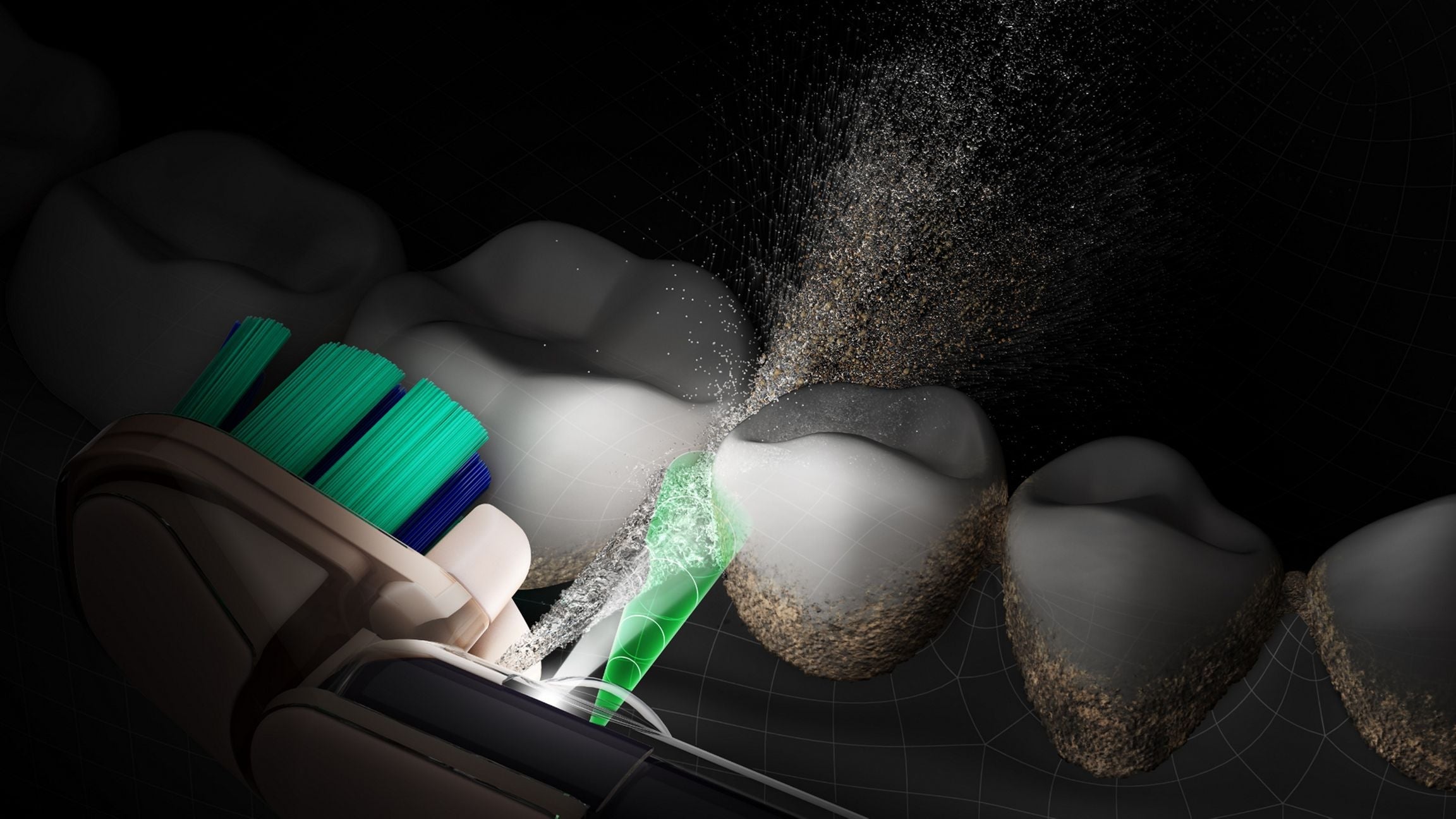
Think of a stiff brush as fine-grit sandpaper. Twice a day, that sandpaper drags abrasive toothpaste particles across your enamel. Over months and years, the outer mineral layer loses tiny slivers of structure — a process called erosive tooth wear. Once enamel wears away, it never grows back. Research confirms what dentists have warned for decades: hard brushes produce more gingival lesions than medium or soft ones, and the damage compounds with even moderate pressure.
- Microfractures start where bristles hit hardest — along the gumline.
- These grooves deepen, creating non-carious cervical lesions (notches at the tooth neck) that look like worn notches.
- With a medium or hard brush, brushing force matters greatly: even a “normal” 1.5 N load causes more enamel loss with a hard brush than a soft one.
Gum Recession and Tooth Sensitivity: The Cost of “Feeling Clean”
Many people mistake that scrubbed-raw sensation for a “squeaky clean.” In truth, it’s a warning sign. Gum recession occurs when trauma from firmer bristles pushes the soft tissue margin downward, exposing the tooth root. That root is covered by cementum, not enamel, and it’s far more vulnerable. The result is lifelong dentin hypersensitivity — jolts of pain when you drink something cold or hot.
- Cause: Repeated micro-trauma from medium/hard bristles hitting the gumline.
- Effect: Gingival tissue pulls back, forming a pocket where plaque thrives.
- Cause: Exposed root surface now faces the same abrasive brushing every day.
- Effect: Thin cementum wears away rapidly, opening dentin tubules and triggering sharp sensitivity.
Use a soft brush for two minutes with gentle pressure — that’s the ADA’s literal formula for avoiding this cascade.
When Could a Medium or Hard Toothbrush Ever Be Appropriate?
Only in very narrow, dentist-supervised situations. No hard-and-fast rule says everyone must use the exact same tool, but deviations come with a direct order from your dental professional. Never pick a firmer brush because you assume you need a deeper clean.
Myth Busting: “I Need Hard Bristles to Remove Stains Properly”
It’s one of the most stubborn myths in oral care. In reality, surface stains lift best through a combination of proper plaque removal efficacy and the mild polishing agents in your toothpaste — not through brute force.
Don’t
- Scrub your teeth with stiff bristles to erase coffee or tea stains.
- Assume a “whitening” brush works because it feels abrasive.
- Ignore sensitivity; it’s a sign you’re already causing damage.
Do
- Use a soft brush with a whitening toothpaste (look for the ADA Seal).
- Angle bristles toward the gumline at 45° to dislodge stain-causing plaque.
- Let the chemistry of your toothpaste do the brightening work over time.
Specific Use Cases for Harder Bristles (And Why Caution Is Non-Negotiable)
The only defensible uses for a medium or hard brush never involve natural teeth. These are off-label tasks, done outside the mouth:
-
Cleaning removable dentures or partials — never inside the mouth, always over a soft basin.
-
Brushing a heavily coated tongue — only if a specifically designed soft-bristle tongue cleaner is unavailable, and even then, minimal pressure.
- Pre-soaking and scrubbing orthodontic aligners (clear retainers) — using a designated brush, not your daily toothbrush.
Vet these exceptions with your dentist. If they don’t hand you a hard brush and say, “Use this exactly as I instruct,” stick with soft.
How to Choose the Perfect Soft Toothbrush for Your Safety and Comfort
Not all soft brushes are equal. Use this checklist to turn the recommendation into a tool you’ll actually enjoy using:
-
Bristle end-shape: Look for rounded or tapered filaments. Blunt-cut, non-rounded tips cause more micro-abrasions.
-
Head size: A compact head (about 1 inch long) reaches back teeth without straining.
-
Bristle pattern: Multi-level or angled bristles clean between teeth and along the gumline better than flat-trimmed.
- Handle grip: A non-slip, ergonomic handle helps you maintain a light grip — crucial for pressure control.
The ADA Seal of Acceptance: Your Shortcut to a Safe Brush
When you spot the ADA Seal, you know independent experts have verified the brush against rigorous requirements. That seal guarantees:
- All materials are safe for use in the mouth.
- Bristles are free of sharp or jagged edges.
- The handle stands up to normal use without breaking.
- Bristles won’t fall out with routine brushing.
- An average adult can use it without supervision to effectively reduce plaque and mild gum disease.
Manual vs. Electric Soft-Bristle Brushes: Does It Matter?
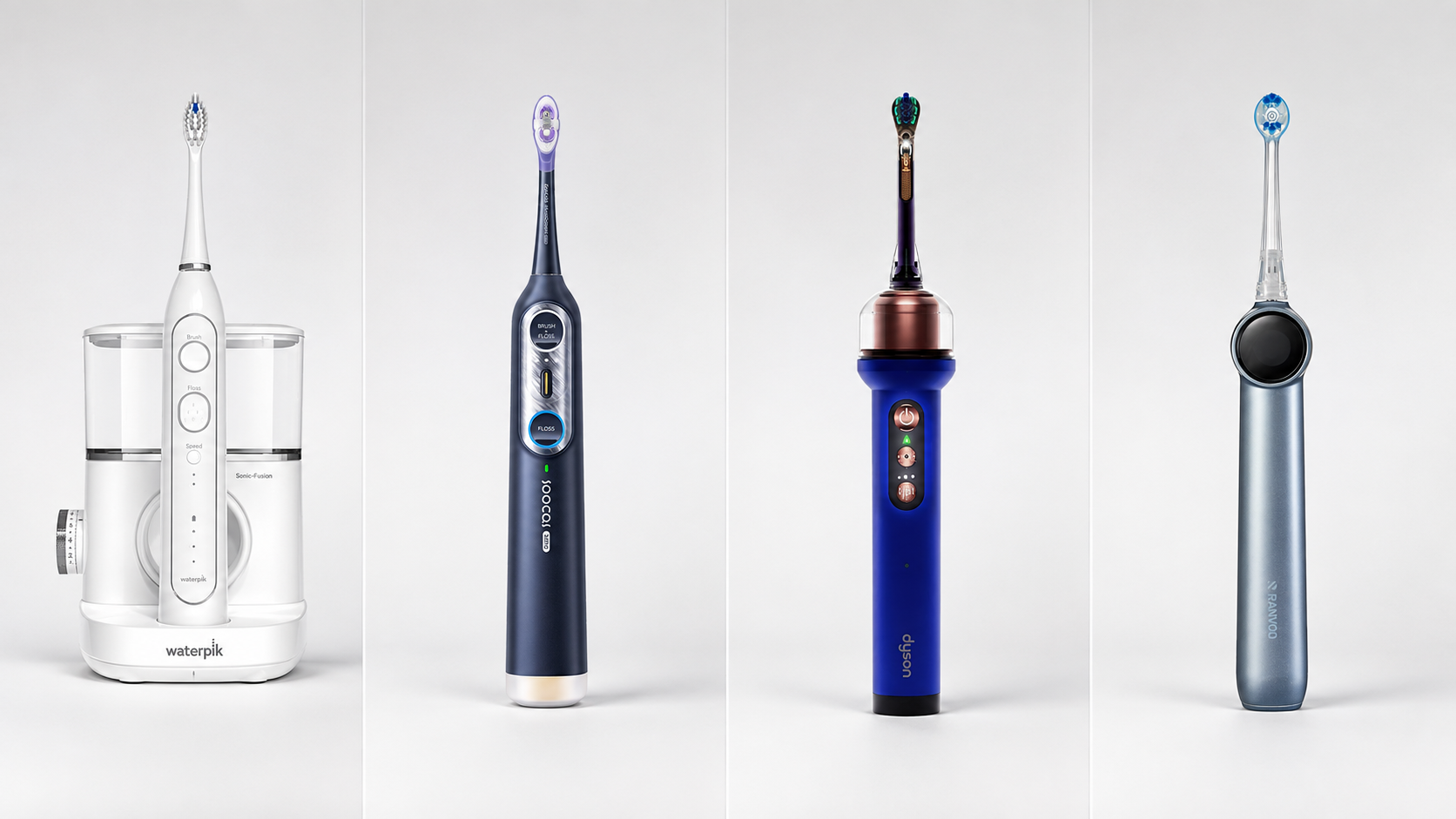
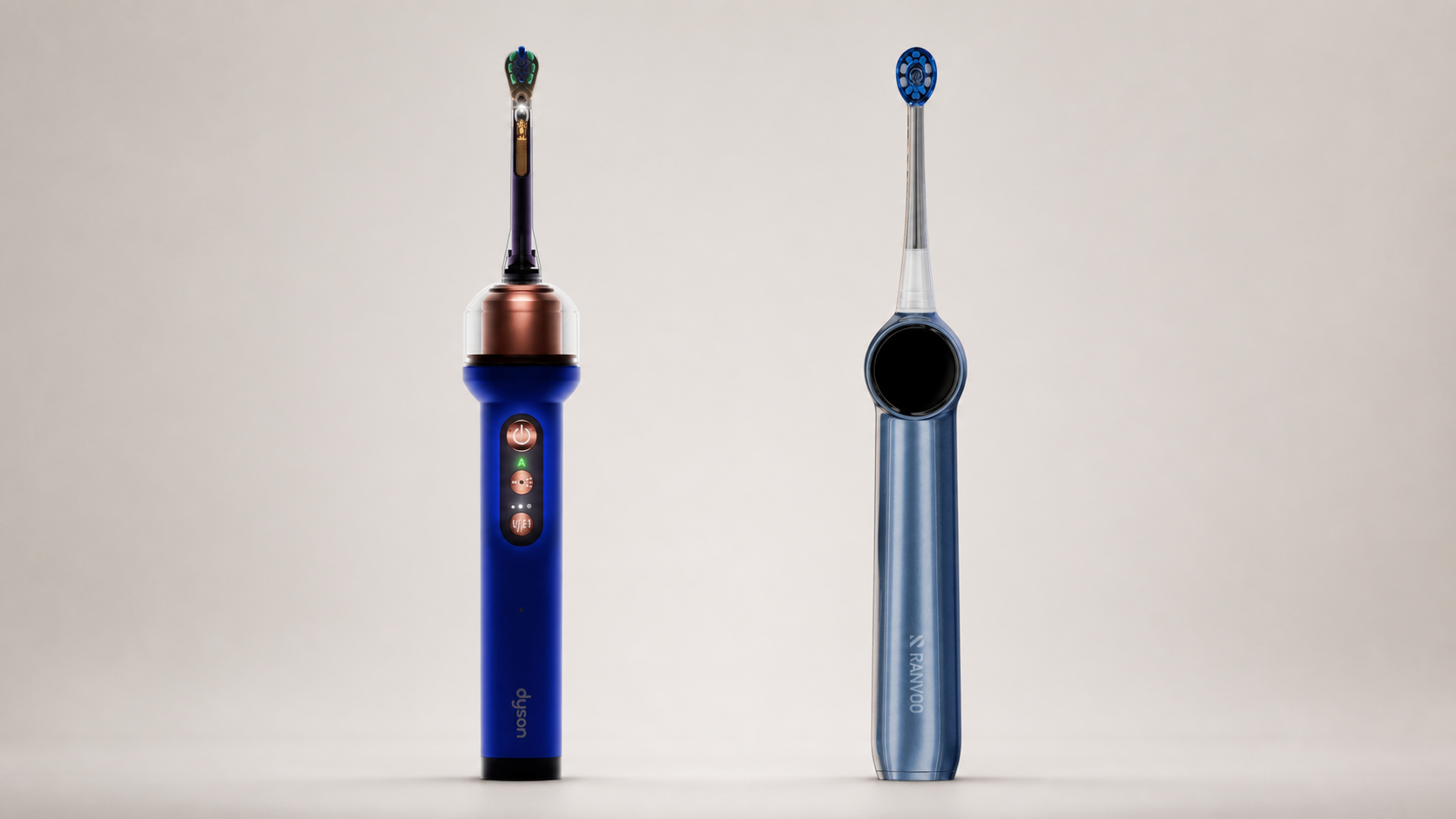
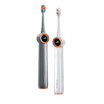
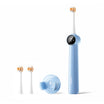
Both can be used effectively, says the ADA, but electric brushes offer a safety net if you tend to over-scrub. Take, for instance, the RANVOO AirJet X5 electric toothbrush. Its built-in pressure sensor alerts you the moment you push too hard, while its unique bubble-bristle technology creates micro-bubbles that gently sweep away plaque without abrasive friction — a design specifically aimed at protecting sensitive gums and preventing enamel wear. For middle-aged adults worried about gum recession or bleeding, this combination of soft-bristle compliance and intelligent force control makes it an especially reassuring choice.
| Manual Soft Brush | Electric Soft-Bristle Brush |
|---|---|
| Entirely under your pressure control | Many have pressure sensors that light up or pause when you push too hard |
| Requires disciplined gentle motion | Oscillating-rotating heads automate the ideal stroke |
| Lower upfront cost | Often a higher initial investment |
| No batteries or charging | Rechargeable, guided timing features |
If you habitually bear down on your teeth, an electric brush with a pressure alert can be a game-changer for gum safety.
Where Technique Matters More Than Bristle Hardness
Even a soft-bristle toothbrush becomes a weapon in the wrong hands. Aggressive scrubbing — even with the gentlest filaments — will cause gum recession and wear notches over time. Mastering the Bass Method is the single best way to clean thoroughly while protecting every millimeter of enamel and gum tissue.

The Bass Method: A Step-by-Step Guide to Protecting Enamel and Gums
- Place the brush against your teeth with the bristles angled 45 degrees toward the gumline.
- Make tiny, gentle circular motions — the width of a single tooth — without lifting the bristle tips.
- Let the bristles slide slightly under the gum edge to disorganize hidden plaque colonies.
- Cover all surfaces: outer, inner, and chewing. Spend about 30 seconds per quadrant.
- End with light vertical sweeps for the inner front teeth, holding the brush vertically.
The “Scrubbing” Trap: How Hard Pressure Mimics Hard Bristle Damage
Too much force does exactly what a hard bristle does — it flattens the filaments, pressing them past the gumline and abrading root surfaces. The damage looks identical on a microscopic level.
| Signs You’re Brushing Too Hard | Proper Brushing Indicators |
|---|---|
| Bristles splay outward within weeks | Bristles stay aligned for 3–4 months |
| Gumline feels tender or bleeds after brushing | Gums feel stimulated but not sore |
| You see a line of receded, reddish tissue | Gum margin looks even and pale coral |
| You “scrub” with a back-and-forth sawing motion | You favor short, circular movements near the gum |
5 Warning Signs You’ve Been Using the Wrong Toothbrush Firmness
-
Frayed bristles in under a month — signals abrasive friction, not just normal wear.
-
Bleeding along the gumline during or after brushing — early trauma from harsh scrubbing.
-
Sudden sensitivity to cold, sweet, or acidic foods — exposed dentin from enamel thinning or gum loss.
-
Visible gum recession — the margin appears lower, with roots looking yellowish or darker.
- Worn notches near the gumline — classic non-carious cervical lesions, often from a combination of hard bristles and pressure.
Final Verdict: Soft Is the Safest, Here’s How to Make the Switch Today
The science couldn’t be clearer: a soft-bristle toothbrush, used with light pressure and proper technique, delivers all the clean you need while preserving the enamel and gums you want to keep for a lifetime. Hard and medium bristles offer no meaningful advantage in plaque removal, yet they dramatically raise your risk of irreversible damage.
In systematic reviews, soft and extra-soft toothbrushes consistently emerge as the safer choice, causing significantly fewer gum lesions and less wear than harder filaments.
Your 3-Step Action Plan
1. Replace your current brush with an ADA-Accepted soft-bristle model today.
2. Practice the Bass Method for two minutes, twice daily — no extra pressure.
3. Monitor for the warning signs above and schedule a check-up if any appear.
Your teeth were designed to last. Give them the gentle, precise care they deserve — and leave the stiff bristles for cleaning dentures, not your smile.