







TL;DR: Yes—swallowing enough alcohol-containing mouthwash can cause intoxication, although a small accidental sip is unlikely to cause serious harm.
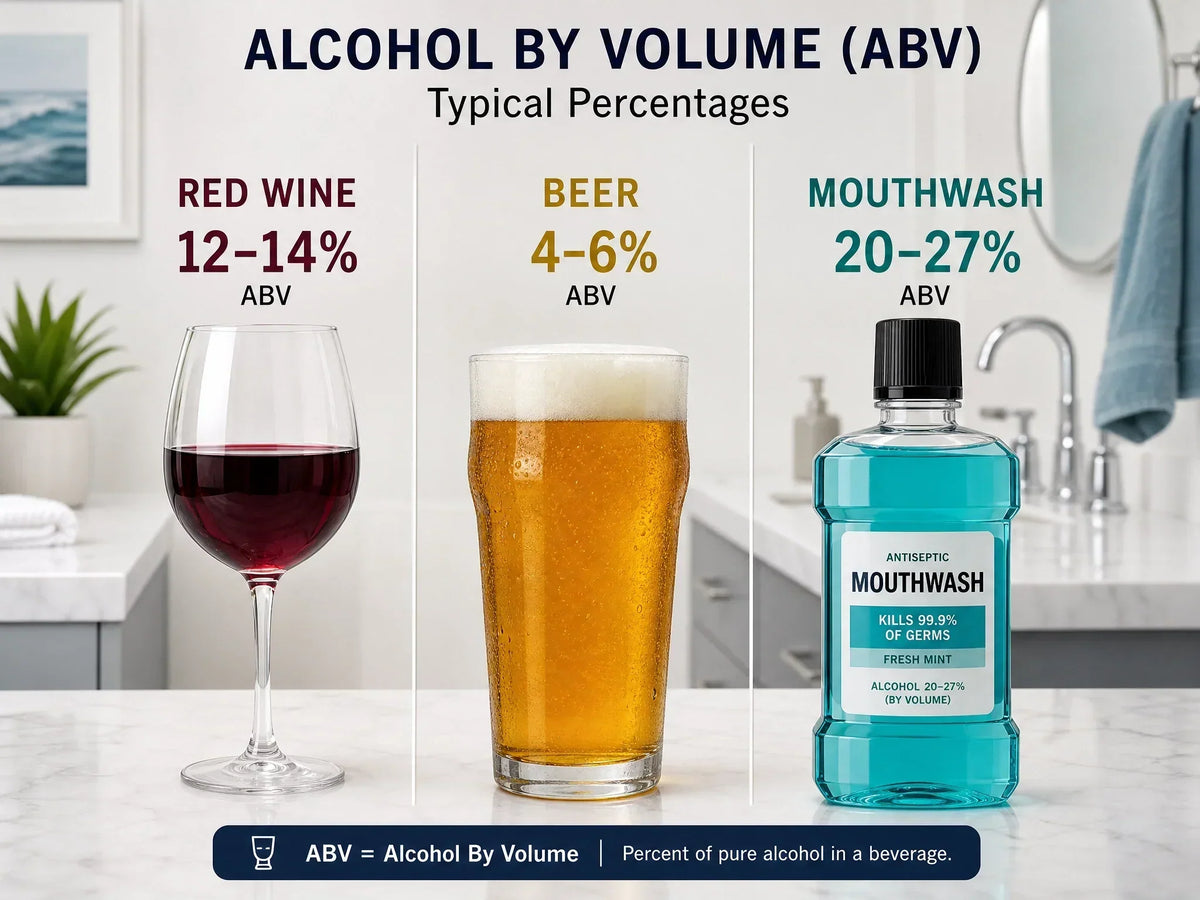
Some mouthwashes have a higher alcohol concentration than beer or wine. They may also contain fluoride, hydrogen peroxide, methyl salicylate, or other ingredients that can cause problems when swallowed in large amounts.
If someone swallowed mouthwash
The right response depends on who swallowed it, how much they swallowed, the product ingredients, and whether symptoms are present.
In the United States:
- Call Poison Control at 1-800-222-1222 for free, confidential, 24/7 advice if the amount is large or unknown, a child is involved, or symptoms appear.
- Do not make the person vomit unless Poison Control or a healthcare professional tells you to.
- Keep the bottle nearby so you can share the product name, ingredients, strength, and estimated amount swallowed.
Call 911 if the person is unconscious, having a seizure, or breathing slowly or irregularly.
Outside the United States, contact your local poison center or emergency service.
| What happened? | What to do |
|---|---|
| A healthy adult accidentally swallowed a small sip and feels well | Serious poisoning is unlikely; check the label and contact Poison Control if you are unsure. |
| A child swallowed mouthwash | Contact Poison Control right away for product-specific advice. |
| Someone swallowed a large or unknown amount | Contact Poison Control or seek urgent medical care. |
| The person has severe symptoms | Call 911 immediately. |
Why can mouthwash make someone drunk?
Many mouthwashes contain ethanol, the same type of alcohol found in alcoholic drinks. According to Poison Control, alcohol-containing formulas may range from about 5% to 27% alcohol.
One older example described original-formula Listerine as approximately 26.9% alcohol, or 54 proof (Registered Dental Hygienists). Formulas vary, so always check the current product label.
Alcohol helps dissolve flavoring oils and other ingredients. It can also create the burning sensation some people associate with a “clean” mouth.
Mouthwash is designed to be swished and spit out, not swallowed.
Why a large amount can be dangerous
The main concern in many alcohol-containing mouthwashes is ethanol. At extreme levels of consumption, other ingredients may add to the risk.
| Ingredient found in some mouthwashes | Possible effects after a large ingestion |
|---|---|
| Ethanol | Nausea, vomiting, drowsiness, low blood sugar, slow breathing, coma |
| Fluoride | Nausea, vomiting, diarrhea, electrolyte problems, kidney or heart complications |
| Hydrogen peroxide | Irritation and serious stomach or intestinal symptoms |
| Methyl salicylate and essential oils | Stomach irritation and changes in the body's acid-base balance at very high exposures |
| Chlorhexidine | Nausea or digestive irritation, depending on the product and amount |
A quantitative risk assessment of 30 mouthwash products found limited evidence that other ingredients cause effects beyond those of ethanol in ordinary scenarios. At extreme exposure levels, ingredients such as methyl salicylate or thymol may add to the risk (PubMed).
When to seek urgent help
Most small accidental swallows do not lead to these symptoms. After a large or unknown ingestion, watch for:
- dizziness, poor coordination, or slurred speech;
- unusual sleepiness, confusion, or unresponsiveness;
- nausea, stomach pain, diarrhea, or vomiting;
- vomit that contains blood;
- throat pain;
- low body temperature;
- rapid, shallow, slow, or irregular breathing;
- seizures or coma; and
- problems urinating.
These symptoms are listed in the MedlinePlus mouthwash overdose guide.
Severe sleepiness or difficulty waking is not a normal reaction and needs urgent assessment.
Can a small accidental swallow hurt you?
For a healthy adult, accidentally swallowing a small sip is unlikely to cause serious toxicity. Check the product label and contact Poison Control if symptoms appear or you are uncertain.
Children are more vulnerable because of their smaller body size. If a child swallows mouthwash—especially an alcohol- or fluoride-containing product—contact Poison Control for advice rather than guessing.

What about repeated intentional drinking?
Repeated intentional use is different from an accidental sip. It may indicate alcohol dependence and can expose someone to the same risks associated with heavy alcohol use, including:
- alcohol poisoning and dangerous withdrawal;
- liver, brain, and nerve damage associated with long-term heavy alcohol exposure;
- ongoing stomach or esophagus irritation;
- poor nutrition and vitamin deficiencies; and
- injuries caused by blackouts, falls, vomiting, or loss of consciousness.
Repeated intentional use deserves a supportive conversation with a healthcare or addiction professional.
Why someone may drink mouthwash
People with alcohol dependence may turn to mouthwash because it is inexpensive, easy to buy, or easier to hide than alcoholic drinks. This behavior is sometimes called surrogate alcohol use.
Possible warning signs include:
- empty or hidden mouthwash bottles;
- frequent mouthwash use at unusual times;
- a strong mint or medicinal smell that masks alcohol use;
- morning dizziness, sedation, or slurred speech; and
- using mouthwash alone or in secret.
Approach the person calmly. Focus on safety and getting help rather than blame.

A gentler daily oral-care option
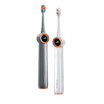
Mouthwash does not replace brushing and flossing. People with sensitive gums may prefer a gentle electric toothbrush, such as the RANVOO AirJet X5, alongside a dentist-recommended oral-care routine.
This is an oral-care option, not a treatment for poisoning, alcohol dependence, or withdrawal.
The bottom line
A small accidental sip is usually not serious, but swallowing a large amount of mouthwash can cause intoxication or poisoning.


