














TL;DR: Daily salt water rinses are safe for most people when used correctly, but they aren’t a replacement for fluoride toothpaste or a complete mouthwash. Think of it as a gentle helper for healing, not a permanent daily habit for a healthy mouth.
What Happens When You Rinse with Salt Water?
A salt water rinse works through two simple mechanisms: osmosis and pH shift. The mild saline solution creates an environment that’s a bit more alkaline, which makes it harder for acid-loving harmful bacteria to thrive. At the same time, it draws excess fluid out of swollen gum tissues through osmosis, reducing inflammation and giving that quick soothing feeling.
This combination can temporarily lower the bacterial load in your mouth and support the healing of minor irritations. It’s not a deep clean, but it gently calms the tissues and shifts the balance just enough to give your mouth a break.

The Key Benefits of a Daily Salt Water Rinse
Used mindfully, a salt water rinse offers several science-backed perks:
- Reduces oral bacteria: The solution creates a less favorable environment for bacteria, helping cut down the overall microbial load.
- Calms gum inflammation: Swollen or bleeding gums often feel better after a rinse because the hypertonic effect reduces fluid buildup.
- Speeds up healing: After a tooth extraction or a mouth ulcer, a salt water rinse keeps the area clean without harsh chemicals—your dentist likely already recommends this.
- Loosens food debris: A gentle swish can dislodge particles stuck between teeth and along the gumline.
- Eases minor mouth pain: Warm salt water can temporarily numb irritated areas and relieve soreness from canker sores or a scratchy throat.
All of these benefits come from a solution that’s cheap, alcohol-free, and easy to make at home.
How Salt Water Helps with Gum Health and Inflammation
In the short term, salt water is excellent for gum flare-ups. One study noted that people who rinsed with salt water twice a day after brushing showed significantly greater reductions in dental plaque and gingivitis compared to brushing alone.
However, the effect is temporary and works best for mild inflammation. It won’t fix the underlying cause of gum disease. Here’s a quick comparison:
| Short-term Use (healing phase) | Long-term Reliance (healthy mouth) |
|---|---|
| Reduces swelling after a deep clean or surgery | Doesn’t prevent new plaque from forming |
| Eases bleeding when gums are irritated | Can’t reverse established periodontitis |
| Helps minor ulcers heal faster | Provides no fluoride or mineral protection |
| Recommended by dentists for 3–7 days | Should only be used occasionally for maintenance |
Can It Replace Regular Mouthwash or Brushing?
No—and that’s a hard no. Salt water is a supporting player, never the star. Here’s what it cannot do:
- Remove plaque: Only mechanical brushing and flossing can scrape off sticky biofilm.
- Prevent cavities: Salt water contains no fluoride, which is essential for enamel repair and decay prevention.
- Freshen breath long-term: It doesn’t neutralize odor-causing compounds the way some commercial rinses do.
- Kill harmful bacteria selectively: Strong antimicrobial rinses (like those with chlorhexidine) target pathogens specifically; salt water simply makes the environment less cozy for all bacteria.
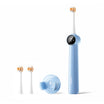
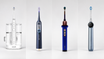
Think of it this way: you still need your fluoride toothpaste, floss, and—if your dentist recommends it—a therapeutic mouthwash. And if you have sensitive or bleeding gums, upgrading to an electric toothbrush designed to be extra gentle yet effective, like the RANVOO AirJet X5, can make a meaningful difference. Its bubble-like cleaning action removes plaque without the harsh scrubbing that often aggravates tender tissues—so you can brush thoroughly without worrying about hurting your teeth.
What Are the Risks of Using Salt Water Mouthwash Every Day?
Even a natural remedy can backfire if overdone. The risks come from concentration and frequency:
- Enamel softening over time
- Dryness and irritation of oral tissues
- Unintended increase in sodium intake
- Possible disruption of the beneficial oral microbiome
“Overuse of salt rinses could irritate gums leading to further bleeding,” warns Dr. Jeffrey Sulitzer, DMD, as noted in a Healthline article. Moderation is everything.
The Truth About Salt Water and Tooth Enamel
Salt itself isn’t abrasive when fully dissolved, but frequently bathing your teeth in a strong saline solution can gradually leach minerals like calcium. The safe zone depends on the salt concentration and the final pH of the mix.
| Solution concentration | Effect on enamel |
|---|---|
| 0.9% isotonic saline (½ tsp per 8 oz water) | Very low risk; close to body fluid pH |
| Strong hypertonic mix (1+ tsp per 8 oz) | Slightly acidic tendency; prolonged daily use may contribute to subtle enamel wear |
| Undissolved salt grains swished directly | Can be physically abrasive—avoid! |
Always make sure the salt dissolves completely in warm water. The pH of a properly diluted rinse is typically neutral to mildly alkaline, so it’s gentle on teeth when used correctly.
When Daily Use Can Irritate Instead of Help
Stop or cut back if you notice:
- A dry, tight feeling in your mouth after rinsing
- A burning sensation on your gums or tongue
- Increased tooth sensitivity to hot or cold
- Any white patches or sores that don’t heal
These are signs your oral tissues are begging for less salt, not more.
How to Make and Use Salt Water Mouthwash Safely
- Get the ratio right: Mix ½ teaspoon of fine salt (no lumps) into a glass of warm water (8 ounces). It should taste mildly salty, like a tear.
- Dissolve completely: Stir until the water is clear. Any leftover grains can scratch enamel.
- Swish gently: Take a comfortable sip, then swish around your teeth and gums for 20–30 seconds. No need to rinse with plain water afterward.
- Spit it out: Swallowing small amounts isn’t dangerous, but it’s better to spit to avoid extra sodium.
- Limit frequency: Once a day is plenty for general maintenance. For post-procedure healing, your dentist might recommend 2–3 times daily for a short period.
The Ideal Salt Type and Concentration
Plain table salt works perfectly. Sea salt and Himalayan pink salt are fine too—just make sure they dissolve fully. The goal is an isotonic solution (approximately 0.9% salinity), which mirrors your body’s natural fluids and is kind to delicate mouth tissues.
Stick to ½ teaspoon per 8 ounces of warm water. That little measurement keeps your rinse effective without crossing into irritation territory.
How Often and When Should You Rinse?
- For healing (after extractions or during a gum flare-up): Use 2–3 times daily for 3–7 days, or exactly as your dentist advises.
- For maintenance (healthy mouth): 3–4 times a week is a safe rhythm. Daily use isn’t necessary and brings diminishing returns.
- Best timing: Rinse after meals to clear debris, or before bed—just leave at least 30 minutes between the rinse and brushing your teeth.
Example daily routine: Morning: Brush with fluoride toothpaste → floss → (no salt water)
Evening: Brush → floss → optional salt water rinse 30 minutes before bed, then spit and let the calm feeling settle.

So, Can You Use Salt Water as Mouthwash Every Day? The Final Verdict
Yes, but only in the right context. Your oral health status changes the answer:
| Your situation | Daily use? |
|---|---|
| Healing from a dental procedure (1 week) | Yes, short term—follow dentist’s orders |
| Chronic gum sensitivity or mild gingivitis | Yes, for 1–2 weeks while improving brushing/flossing; then reduce to a few times a week |
| Healthy mouth, no issues | Not needed; occasional use is fine |
| Dry mouth, exposed roots, high blood pressure | Avoid daily use; talk to your dentist |
When to Choose Salt Water Rinse Over Commercial Mouthwash
A side-by-side guide for common scenarios:
| Scenario | Better choice | Why |
|---|---|---|
| After a tooth extraction | Salt water | Won’t sting; keeps site clean without chemicals that disrupt clotting |
| During pregnancy | Salt water (or dentist-approved rinse) | Safe, alcohol-free, reduces pregnancy gingivitis risk |
| Canker sore or mouth ulcer | Salt water | Speeds healing and reduces pain; no burning like alcohol rinses |
| Sore throat relief | Warm salt water | Soothes and clears mucus; gargle gently |
| Cavity prevention / enamel protection | Fluoride mouthwash | Salt water has no fluoride |
| Persistent bad breath | Dentist evaluation + targeted rinse | Salt water only masks temporarily; underlying cause needs diagnosis |
Expert Tips for a Balanced Oral Care Routine
Work a salt water rinse into your routine without compromising the essentials:
- Brush twice a day with fluoride toothpaste. No exceptions. For those with sensitive or bleeding gums, choosing a toothbrush that cleans gently but thoroughly is key—the RANVOO AirJet X5, with its bubble-based cleaning technology, is designed specifically to remove plaque without putting pressure on tender gum tissue.
- Floss daily to remove plaque between teeth where a rinse can’t reach.
- Use a dentist-recommended mouthwash if you have specific needs (anti-cavity, anti-gingivitis).
- Add a salt water rinse as an extra layer—maybe after a meal or before bed a few times a week—not as a substitute.
- If you use a commercial mouthwash, don’t use it right after salt water. Space them out by at least 30 minutes to let the salt water do its job without interference.
- Listen to your mouth: any discomfort, and you’ll know to dial it back.

A salt water rinse is a timeless, low-cost helper—but it’s not a solo act. Let it support your routine, not run the show, and your smile will thank you. If you’re ever unsure whether daily use is right for your gums or teeth, a quick chat with your dentist can clarify everything.


