














TL;DR
Bad breath is incredibly common and usually temporary. It happens when odor-causing oral bacteria break down proteins on your tongue and between your teeth, releasing smelly volatile sulfur compounds (VSCs). The fix is more about disrupting that bacterial buffet than covering up the odor. This guide walks you through exactly what’s going on in your mouth, the daily habits that may be making it worse, how to check your own breath, and when to loop in a professional. You’ll finish with a practical, science-backed plan to keep your mouth fresh for good.

It’s one of the most common — and most socially stressful — health worries: you’re talking to someone and suddenly wonder if your breath could knock them over. You’re not alone. Research suggests that halitosis, the clinical term for bad breath, affects between 30% and 50% of the population at some point in their lives. For most people, it’s a solvable nuisance, not a character flaw. Understanding the biology of the problem is the first step toward a confident, fresh smile.
The Science Behind the Smell: How Bacteria Create Bad Breath
To banish bad breath, you have to know what actually causes it. In about 90% of cases, the source is inside the mouth — more precisely, in the invisible communities of microbes living there.
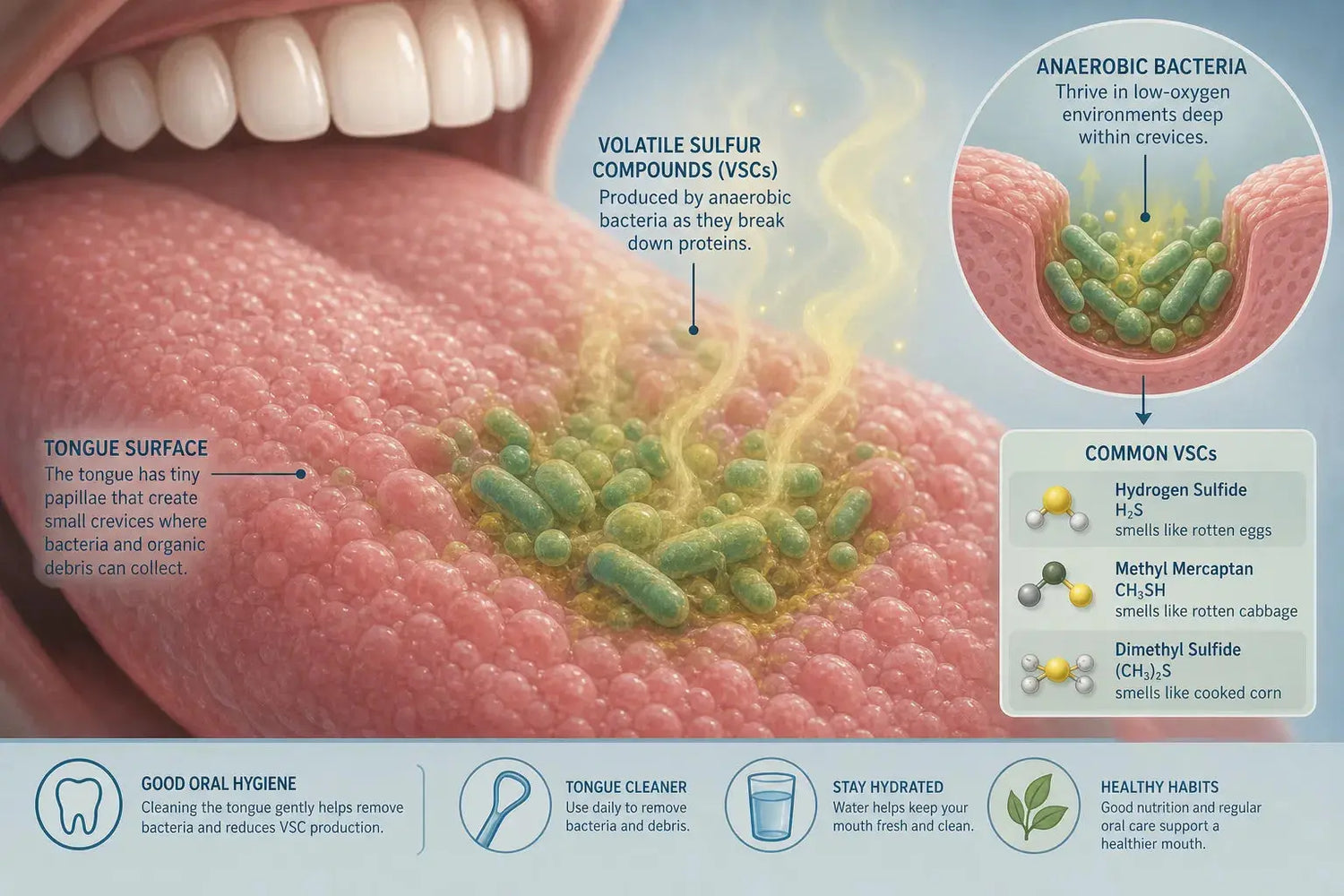
Here’s the short version: oral bacteria, particularly anaerobic types that thrive without oxygen, feed on proteins from food debris, dead cells, and mucus. As they digest these proteins, they release a cocktail of foul-smelling gases known as volatile sulfur compounds (VSCs). A 2020 study in the Journal of Clinical Medicine identified hydrogen sulfide (rotten egg smell), methyl mercaptan (like rotting cabbage), and dimethyl sulfide as the primary odor molecules responsible for most intra-oral halitosis.
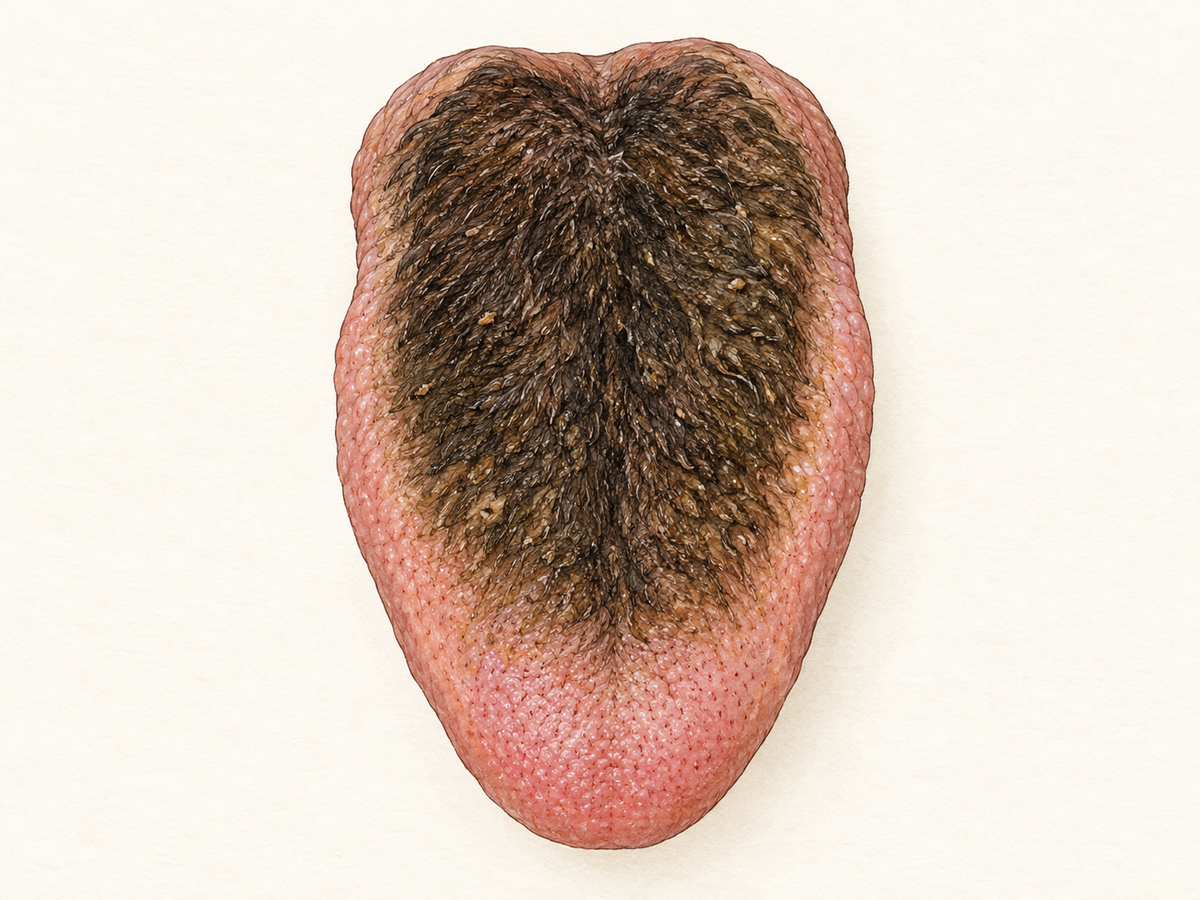
The main hideout for these bacteria is the tongue coating — that white or yellowish film on the back of your tongue. The tongue’s rough, papillae-covered surface is a fantastic trap for food particles and dead cells, and the posterior part of the tongue (far back) is a low-oxygen haven where VSC production kicks into high gear. A landmark npj Biofilms and Microbiomes metatranscriptome study found that in halitosis patients, genes responsible for breaking down sulfur-containing amino acids into hydrogen sulfide were significantly overexpressed on the tongue’s surface, while halitosis-free individuals showed more activity of bacteria that consume VSCs.
Dry mouth, or xerostomia, pours fuel on the fire. Saliva is your mouth’s natural cleanser — it washes away food particles, neutralizes acids, and keeps bacterial growth in check. When saliva flow drops (from dehydration, medications, mouth breathing, or aging), bacteria party on, and VSC concentrations rise. Even postnasal drip from allergies or sinus infections provides a steady stream of protein-rich mucus for those odor-making microbes at the back of the tongue.

Lifestyle Triggers That Feed the Odor
Your daily habits directly shape your mouth’s bacterial ecosystem. Some triggers are obvious, while others quietly dry out your mouth or fuel the bacteria you’d rather evict.
- Garlic, onions, and pungent spices — These foods contain sulfur compounds that get absorbed into your bloodstream and then exhaled through your lungs. No amount of brushing immediately erases that smell because it comes from inside, not just from food stuck in your teeth.
- Coffee and alcohol — Both are diuretics that promote dry mouth. Coffee is also acidic and can alter the oral microbiome, while alcohol may leave a residue that bacteria convert into odorous compounds.
- Tobacco and vaping — Beyond the lingering smoke smell, tobacco reduces saliva flow, raises the temperature of the mouth (favoring anaerobes), and increases the risk of gum disease, a major cause of chronic halitosis.
- Crash diets and fasting — Very low-carb diets or prolonged fasting push your body into ketosis, producing ketones that exit through breath with a distinct, fruity or nail-polish-remover aroma. Skipping meals also means less chewing, so less saliva is produced.
Even small adjustments — like rinsing with water after coffee, chewing sugar-free gum to stimulate saliva, and not skipping breakfast — can make a noticeable difference.
How to Self-Check for Bad Breath (Without the Awkwardness)
Many people can’t accurately smell their own breath. Our noses adapt to our own odors, which is why you might think you’re fine when you’re not — or obsess over a problem that’s barely noticeable. Try one of these low-tech self-checks:
- The wrist-lick test: Lick the inside of your clean wrist, wait 5–10 seconds, then smell it. If there’s an odor, that’s a pretty honest sample of what your breath is packing.
- Tongue scrape test: Gently use a spoon or a tongue scraper to collect a bit of coating from the very back of your tongue. Let it dry for a moment and smell it. This is where the most potent bacteria hang out.
- Floss-sniff check: Smell a piece of floss that you’ve just used between your back teeth. If it stinks, you’ve found a plaque and food trap that needs attention.
If you’re brave, asking a trusted friend or family member for a straightforward opinion is still the most reliable method. Normalizing these checks takes the shame out of it; this isn’t a personal failing — it’s a biological signal that something in your oral environment needs tweaking.
Building an Effective Daily Fresh-Breath Routine
Consistency beats intensity here. The goal is to disrupt the bacterial colonies that produce VSCs every single day, so they never get a chance to multiply into a smelly army.
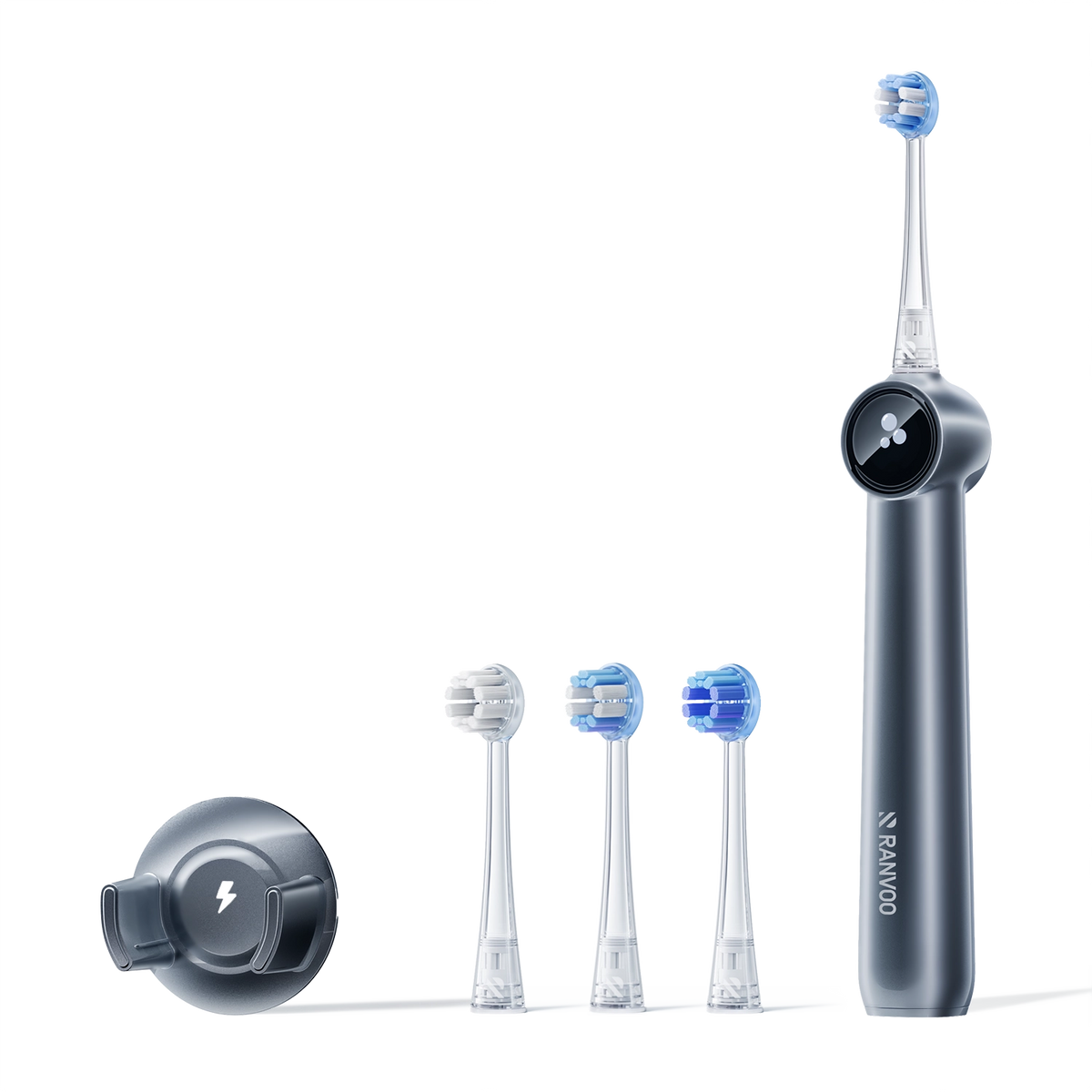
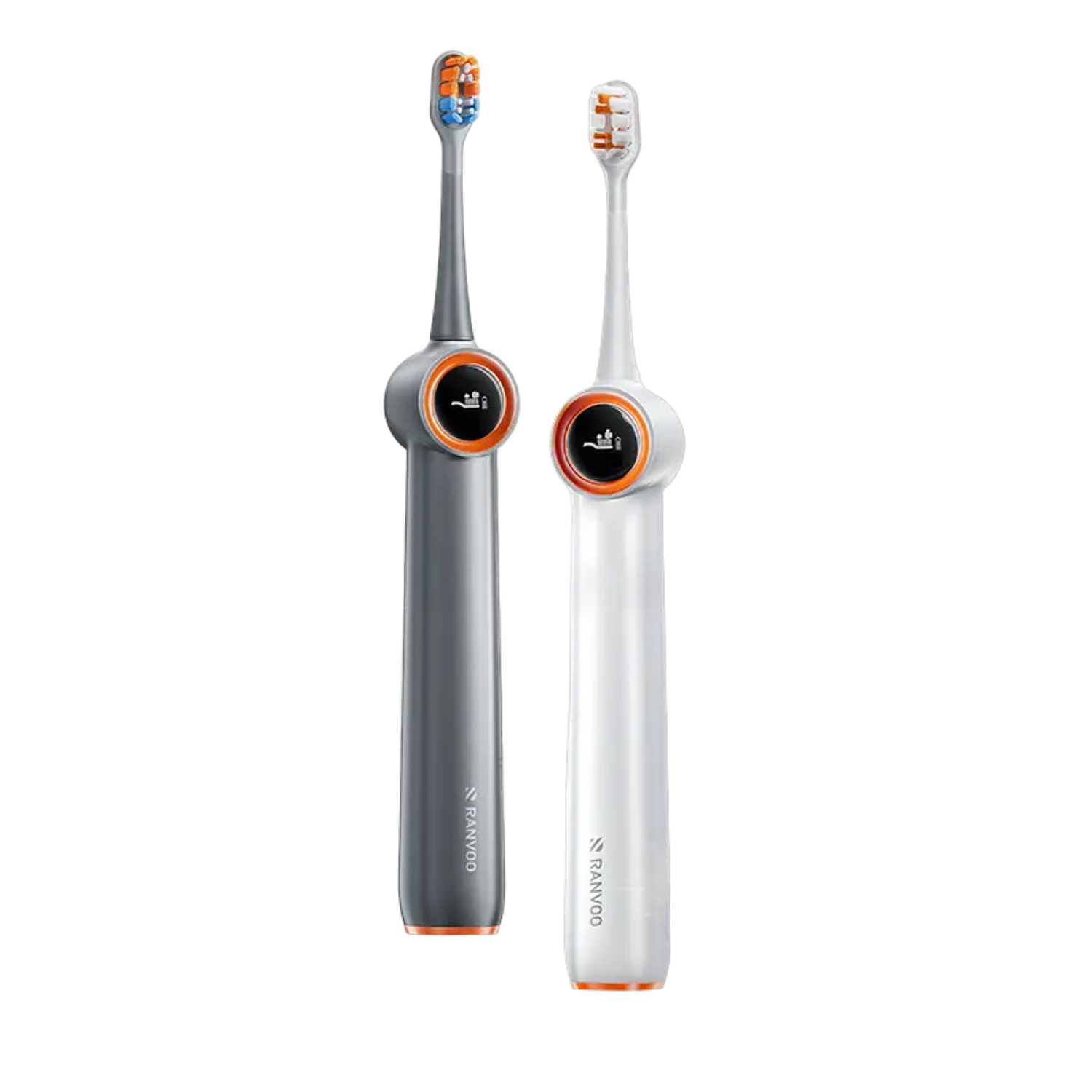
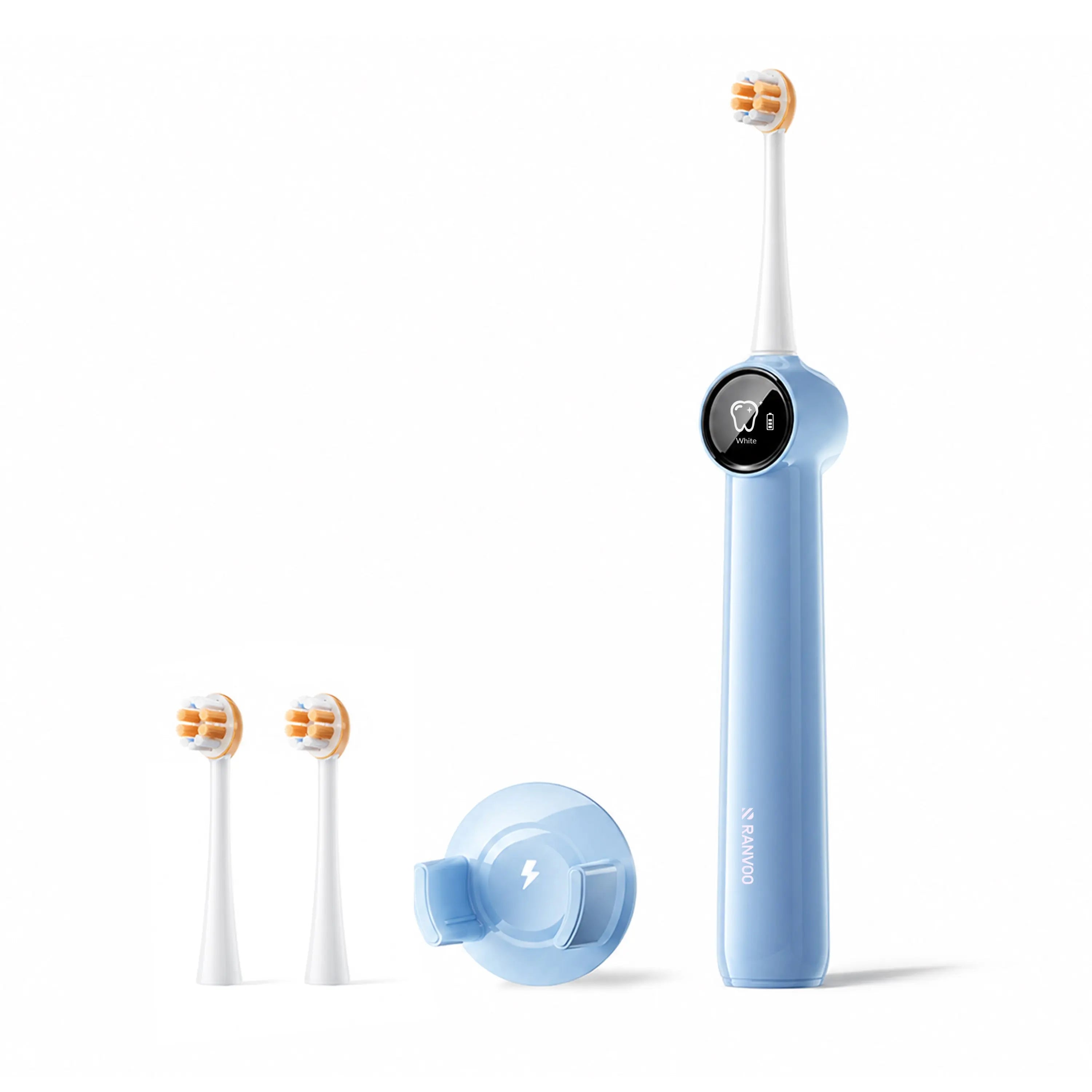
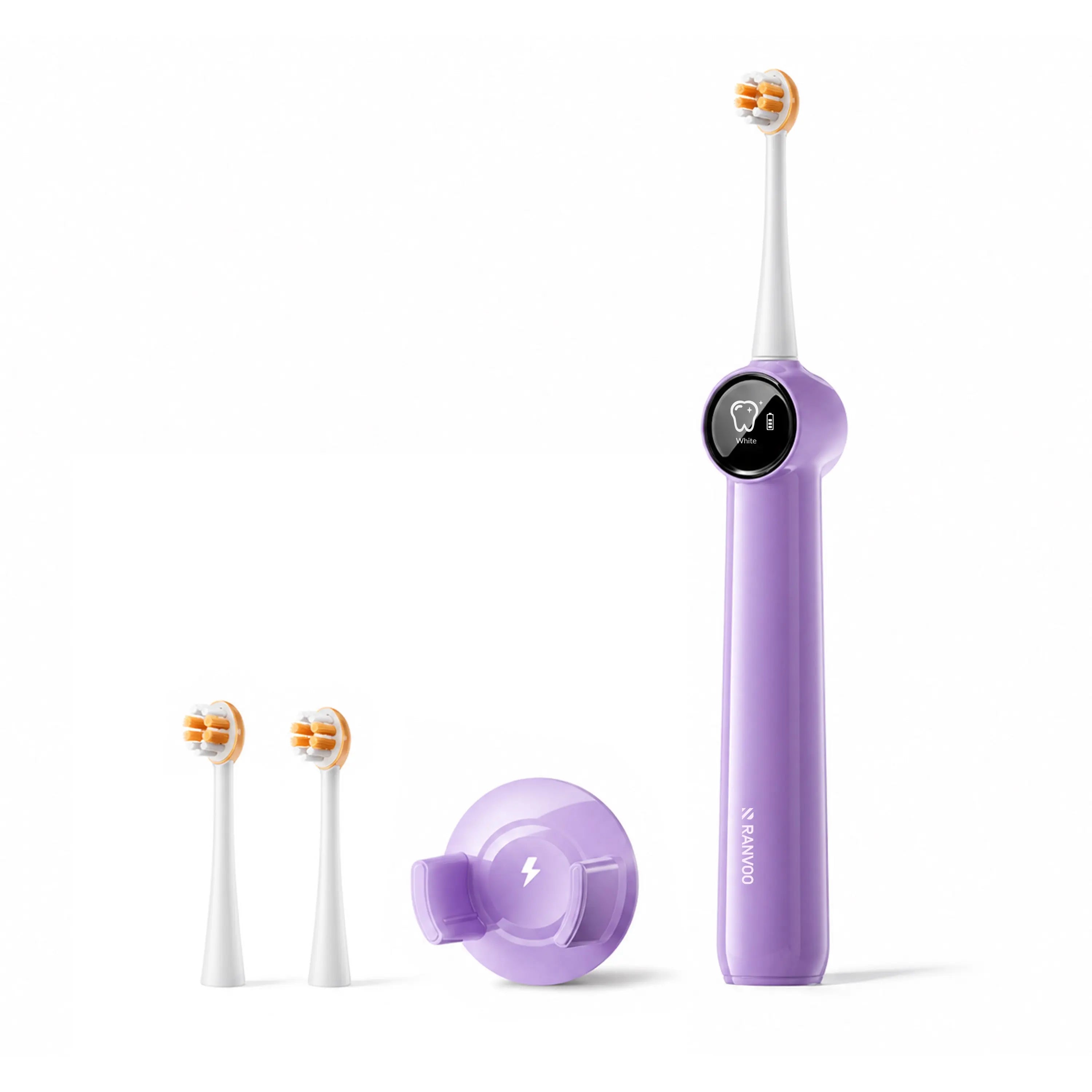
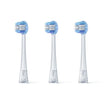
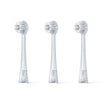
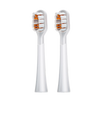
- Brush twice daily with fluoride toothpaste — Spend a full two minutes, hitting all tooth surfaces and the gumline where plaque accumulates. Switch to an electric toothbrush for a more thorough mechanical cleaning; its rapid oscillations can remove bacteria-rich plaque that a manual brush often misses.
- Floss — or use interdental brushes — once a day — This removes the food debris and biofilm that sit between teeth and below the gumline, where toothbrushes can’t reach.
- Clean your tongue from back to front — A dedicated tongue scraper is more effective than a toothbrush because it lifts the biofilm without pushing it around. Start at the very back (where gag reflex allows) and gently pull forward, rinsing the scraper after each stroke. Repeat until no more coating comes off. Be gentle — the tissue is sensitive.
- Choose an alcohol-free mouthwash — Many conventional mouthwashes contain high percentages of alcohol, which can dry your mouth and worsen halitosis over time. Instead, look for rinses with active ingredients like zinc compounds, chlorhexidine (for short-term use under guidance), or cetylpyridinium chloride. A randomized clinical trial found that mouth rinses containing zinc acetate and chlorhexidine significantly reduced hydrogen sulfide and methyl mercaptan for up to 12 hours after use. Remember: mouthwash is a complement, never a substitute for mechanical cleaning.
- If you wear dentures, retainers, or mouthguards — Clean them daily with a solution recommended by your dentist to prevent biofilm buildup that can re-seed your mouth with odor-causing microbes.
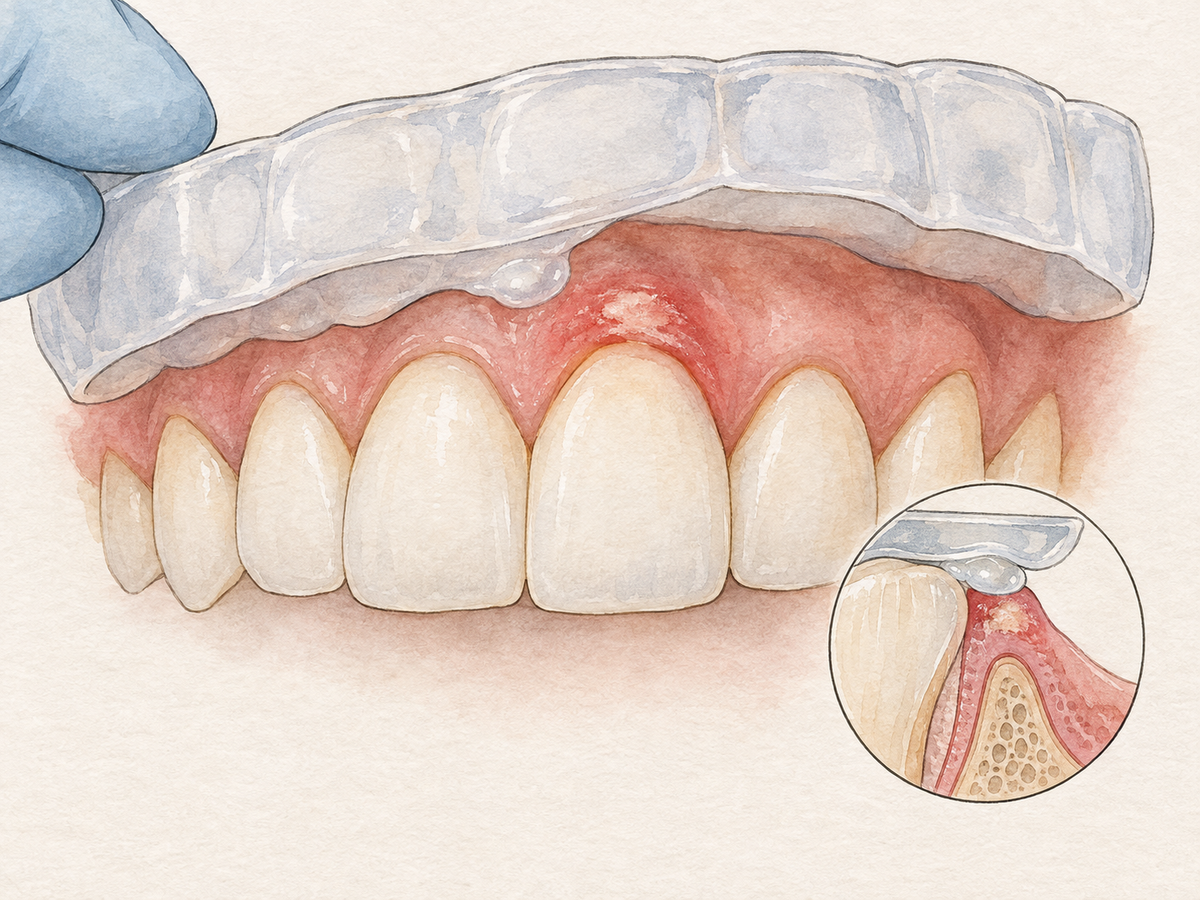
When gum disease enters the picture — signaled by bleeding, swollen gums, or persistent bad taste — a power toothbrush can be particularly effective at reducing gingivitis and reaching into those early gum pockets where smelly anaerobes reproduce.
When to Seek Professional Help: Persistent Bad Breath
If you’ve nailed your daily routine for a few weeks and the problem isn’t going away, it’s time to bring in a professional. Persistent halitosis can be a sign of an underlying condition that needs targeted treatment — and dentists are trained to investigate without judgment.
At your visit, the dentist or periodontist may:
- Examine your teeth, gums, and tongue for signs of decay, cracked fillings, or periodontal disease (gum infection). Deep pockets between teeth and gums are prime real estate for VSC-producing bacteria.
- Check for tonsil stones — hardened, white-yellow lumps of debris that form in the crevices of your tonsils and can emit a strong, localized odor even when your mouth is otherwise healthy.
- Measure VSC levels with a device like a Halimeter or use organoleptic scoring (a trained professional literally smells your breath and rates it), giving you objective data rather than guesswork.
- If oral causes are ruled out, they may refer you to a physician. GERD, chronic sinusitis, diabetes, and, less commonly, kidney or liver disorders, can all change the smell of your breath. For instance, uncontrolled diabetes can cause a fruity acetone odor, while kidney failure may produce a fishy ammonia note.
This step isn’t alarmist; it’s strategic. Knowing where the smell originates lets you solve the root problem rather than masking it indefinitely.
Your Long-Term Prevention Playbook
Keeping your breath fresh isn’t about willpower; it’s about building tiny, automatic habits that protect your mouth’s microbial balance. Think of this as your maintenance checklist:
- Hydrate all day — Water supports saliva flow. Carry a bottle and sip regularly, especially if you’ve had caffeine or work in an air-conditioned environment that dries the air.
- Stimulate saliva after meals — Chewing sugar-free gum or sucking on lozenges sweetened with xylitol triggers saliva production, which washes away food debris and buffers acids. Xylitol also has antimicrobial properties.
- Don’t skip breakfast — Eating a morning meal gets saliva flowing and reduces the overnight buildup of VSCs that came from reduced saliva during sleep.
- Schedule regular dental cleanings — Professional scaling removes hardened tartar and plaque that home care misses. Most people benefit from a cleaning every six months, though those with gum disease may need more frequent visits.
- Limit snacks between meals — Constantly grazing gives bacteria a nearly endless food supply. Structured meals followed by water or a quick mouth rinse help reset the oral environment.
- Rethink that post-lunch cigarette or vape — Along with all the other health reasons, quitting smoking directly reduces dry mouth, gum inflammation, and the long-term risk of periodontitis, one of the most stubborn causes of chronic halitosis.

Bad breath isn’t a verdict — it’s feedback. Once you understand the microbial ecosystem you’re managing, every brush, scrape, and sip of water becomes a meaningful step toward genuine freshness. With the right daily routine and the occasional help of a dental professional, you can keep your breath clean, neutral, and worry-free.
This article has been reviewed by an oral health professional for accuracy. It is intended to provide general educational information and should not be used as a substitute for personalized medical advice, diagnosis, or treatment. If you have questions or concerns about your oral health, please consult a dentist, physician, or other qualified healthcare provider.