TL;DR: Yes, drinking optimally fluoridated water is safe and effective at reducing tooth decay. Major health organizations like the CDC, WHO, and ADA endorse it based on decades of evidence. The only proven side effect at recommended levels is mild dental fluorosis, a mostly cosmetic condition that is rare. Concerns about serious health risks are linked to extremely high natural fluoride levels—not to controlled community water fluoridation. For the vast majority of people, tap water with fluoride is a simple, passive way to protect teeth every day.

Why Fluoride is Added to Water
Community water fluoridation isn’t about medicating the masses. It’s a public health measure that delivers a constant, low-level repair mechanism to everyone in a community—regardless of income, age, or access to a dentist. Think of it as a passive shield for your teeth that works every time you drink a glass of water, brew coffee, or cook a meal.
Tooth decay is one of the most common preventable chronic diseases. According to CDC data, drinking water fluoridated at the recommended level reduces cavities by about 25% in both children and adults. The practice reaches people who may not own an electric toothbrush, have regular dental checkups, or even use fluoride toothpaste consistently. It’s a cornerstone of cavity prevention in communities where dental care is hard to come by.
How Fluoride Prevents Cavities
Your teeth go through a constant cycle of demineralization and remineralization. Every time you eat or drink something with sugar or starch, bacteria in your mouth produce acids that strip minerals from tooth enamel. This is demineralization. Later, minerals in your saliva—like calcium and phosphate—help repair that enamel. That’s remineralization.
Fluoride supercharges this repair process. When fluoride is present in your mouth—whether from water, toothpaste, or other sources—it gets incorporated into the enamel, transforming its mineral structure from hydroxyapatite to the much more acid-resistant fluorapatite. This makes teeth less vulnerable to acid attacks. Even better, this effect happens topically: the fluoride in water bathes your teeth all day long in a low concentration that continuously supports repair, not just when you brush.
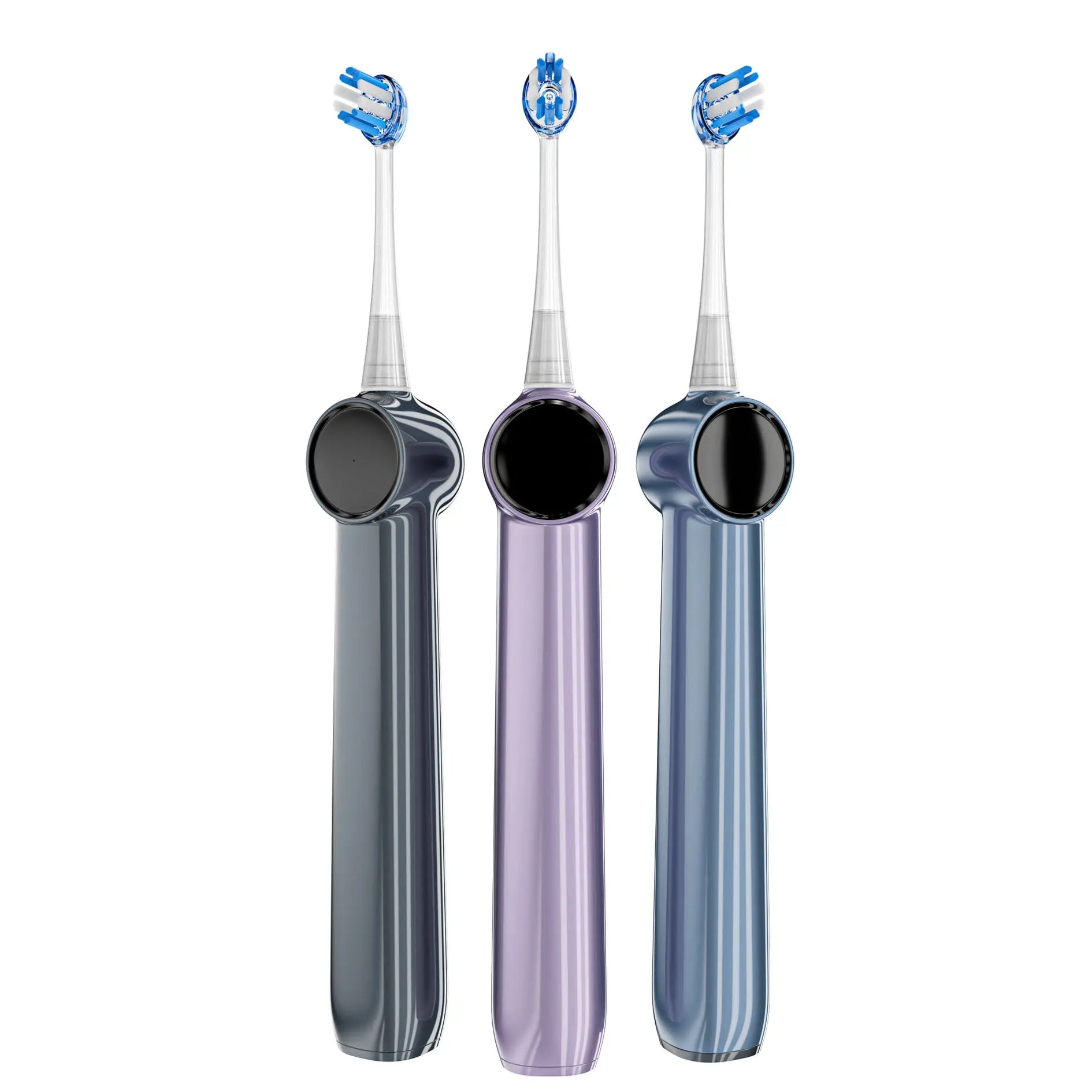
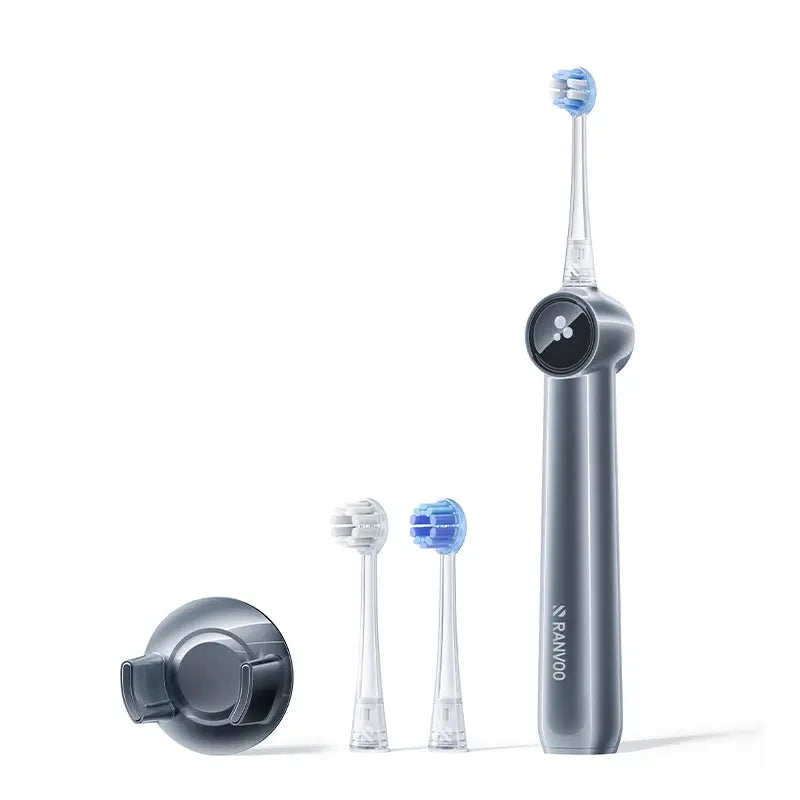
For fluoride to do its job, it needs a clean tooth surface. Using an electric toothbrush can help remove plaque more effectively, ensuring that fluoride from water and toothpaste reaches the enamel where it’s needed most.
Safety: What the Evidence Shows
The biggest fear many people have is that fluoridated water might cause bone damage, thyroid problems, or severe tooth discoloration. These concerns are real—but they almost always trace back to exposure levels many times higher than what’s added to public water supplies.
A 2024 meta-analysis that looked at 23 studies and nearly 10,000 children found no association between water fluoride and lower IQ at moderate levels (below 1.5 parts per million). The studies that linked high fluoride to neurotoxicity came from regions with naturally occurring groundwater fluoride well above 1.5 ppm—often in areas of India, China, and Iran where levels can exceed 25 ppm. That’s a vastly different scenario from the 0.7 ppm recommended for U.S. community water systems.
The only documented side effect of fluoridation at recommended levels is dental fluorosis, a change in tooth enamel that occurs during tooth development (usually before age 8). The overwhelming majority of cases are mild—faint white lines or spots that are barely visible and do not affect tooth function. The Cochrane review estimates that at 0.7 ppm fluoride, about 12% of people may have fluorosis of aesthetic concern, but most cases are so subtle only a dentist would notice them under examination conditions. Severe fluorosis, which can cause pitting and dark staining, is virtually nonexistent where water fluoride is controlled.
The CDC is unequivocal on this point: “Documented risks of community water fluoridation are limited to dental fluorosis, a change in dental enamel that is cosmetic in its most common form.” No credible evidence links optimally fluoridated water to cancer, bone fractures, or developmental issues.
Weighing the Pros and Cons
Let’s break down the risk-benefit trade-off honestly.
Proven benefits: - Cavity reduction: A Cochrane systematic review of studies (many pre-1975 but still informative) found that introducing water fluoridation led to: - 35% fewer decayed, missing, or filled baby teeth - 26% fewer decayed, missing, or filled permanent teeth - A 15% increase in children with zero cavities in their baby teeth - Equity: Benefits everyone with access to the water supply, regardless of income or dental care access. - Cost-effectiveness: Every dollar spent on fluoridation saves many times that in dental treatment costs down the road.
Proven risks: - Dental fluorosis at mild levels, primarily when children swallow too much toothpaste or consume formula made with fluoridated water excessively during the tooth-forming years. At recommended water levels, the risk is low and the effect is cosmetic. - No validated systemic harms at 0.7 ppm.
For the analytical mind, this balance makes the public health decision clear: a substantial, proven reduction in a common disease versus a small, mostly unnoticeable cosmetic effect. It’s why hundreds of health organizations continue to endorse the practice.

Who Should Be Cautious
Fluoride isn’t a magic shield; daily plaque removal is essential. A sonic electric toothbrush can make it easier to clean hard-to-reach areas, maximizing the cavity-fighting benefits of fluoride. Still, most people can drink tap water without a second thought, but a few situations deserve attention:
- Formula-fed infants: Breastmilk contains very little fluoride. If you reconstitute powdered formula with fluoridated tap water, the baby’s total fluoride intake may be higher than ideal during the enamel-forming years, increasing the chance of mild fluorosis. The CDC says occasional use is fine, but if you’re concerned, you can alternate with bottled water labeled “purified,” “deionized,” or “distilled” (which typically have little to no fluoride) or use ready-to-feed formula.
- Homes with high natural fluoride: If your water comes from a private well in an area known for high natural fluoride, have it tested. The EPA’s drinking water standard sets 4.0 mg/L as the maximum to prevent bone issues, and 2.0 mg/L to prevent moderate fluorosis. For wells exceeding these levels, a reverse-osmosis filter can remove excess fluoride effectively.
- Certain medical conditions: On rare occasions, a physician or dentist may recommend avoiding fluoride for specific reasons. Follow that guidance.
For the vast majority of people, the tap is fine. If you’re uncertain, check your local water utility’s consumer confidence report—it lists the fluoride level.
The Bottom Line
Drinking fluoridated water remains a net positive for oral health. Decades of data, rigorous systematic reviews, and continuous safety monitoring confirm that at the recommended concentration of 0.7 mg/L, fluoride effectively reduces cavities without causing systemic harm. The fears that dominate internet searches—bone damage, cognitive decline, severe fluorosis—are tied to exposure levels far beyond what controlled water fluoridation produces.
This doesn’t mean fluoride is infallible. It works best as part of a complete oral hygiene routine: brushing twice a day with fluoride toothpaste, flossing, eating a balanced diet, and seeing a dentist regularly. But as a background layer of protection that reaches everyone, it’s one of the most equitable public health measures we have.
If you still have doubts, talk to your dentist. Ask for a fluoride varnish treatment if you’re at high risk for cavities. And if you’d rather opt out, a reverse-osmosis filter or certain bottled waters can remove fluoride—just be aware that you’re forgoing a well-documented protective benefit. Ultimately, the science is clear, and the choice is yours.