












TL;DR
Mouthwash isn’t a replacement for brushing and flossing — it’s a sidekick that targets what your toothbrush can’t reach. Therapeutic rinses with active ingredients help fight cavities, gum disease, and bad breath at the source, while cosmetic rinses just mask odors. The key is matching the right formula to your specific need and using it at the right time.

What Is Mouthwash and What Does It Actually Do?
Mouthwash (also called an oral rinse) is a liquid you swish around your mouth to reach areas brushing and flossing may miss — between teeth, along the gumline, and on the tongue. It’s not one-size-fits-all. The American Dental Association separates all rinses into two main categories:
| Cosmetic Mouthwash | Therapeutic Mouthwash |
|---|---|
| Temporarily freshens breath | Contains active ingredients that prevent or treat oral disease |
| No proven health claims beyond taste | Backed by clinical evidence for plaque, gingivitis, or cavity reduction |
| Often lacks the ADA Seal of Acceptance | May carry the ADA Seal if safety and efficacy are proven |
What Does Cosmetic Mouthwash Do?
Cosmetic rinses are all about immediate perception — not long-term change. They: - Mask bad breath for a short time - Leave a pleasant flavor in the mouth - Do not kill bacteria or treat gum disease
If you just ate garlic, a cosmetic rinse gives you a quick refresh, but it won’t fix the underlying cause of chronic halitosis.
What Does Therapeutic Mouthwash Do?
Therapeutic rinses go deeper. Their active ingredients work on the biofilm that builds up on teeth and gums. Depending on the formula, they can:
- Kill bacteria that cause plaque and gingivitis
- Strengthen enamel and stop early decay
- Neutralize sulfur compounds responsible for bad breath
- Soothe dry mouth by adding moisture
Think of them as targeted treatments, not just washes.
Why Should You Use Mouthwash? The Science-Backed Benefits
When added to brushing and flossing, the right mouthwash gives you an edge: - Reaches hidden areas: The liquid flows into spaces a brush misses, covering up to 75% more oral surfaces. - Reduces plaque biofilm: Scientific reviews show that essential-oil and chlorhexidine rinses lower plaque scores significantly when used consistently. - Fights gingivitis: Anti-gingivitis rinses reduce gum bleeding and inflammation, especially in people who struggle with mechanical cleaning alone.
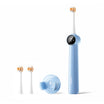
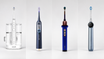
But mechanical cleaning still matters — a lot. If you have sensitive or bleeding gums, the way you brush can make or break your gum health. That’s why choosing a toothbrush designed for gentle yet effective cleaning is essential. The RANVOO AirJet X5 Electric Toothbrush, for instance, uses a patented bubble-brush technology that delivers microbubbles to disrupt plaque without harsh scrubbing, making it an ideal companion for anyone who is “afraid of hurting teeth.” Its soft-yet-thorough cleaning action helps prevent the gum irritation that sometimes leads people to rely too heavily on mouthwash.
Why Mouthwash Matters for Cavity Prevention and Gum Health
- Fluoride remineralizes tooth enamel, reversing early decay. A fluoride rinse on top of fluoridated toothpaste boosts protection by about 15%, research finds.
- Antibacterial agents like chlorhexidine (CHX) and essential oils (thymol, menthol, eucalyptol) penetrate the plaque biofilm and reduce bacterial load. Studies report up to a 35% reduction in plaque with daily essential-oil rinse use over six months.
Stat: Americans spend over $1.1 billion annually on mouthwash, yet many use it without understanding what it actually does for their gums or teeth.
Why Address Bad Breath (Halitosis) with the Right Rinse
Persistent bad breath often comes from volatile sulfur compounds produced by bacteria on the tongue and throat. A cosmetic rinse simply perfumes the mouth for a few minutes. A therapeutic halitosis-control rinse, however, uses agents like chlorine dioxide or zinc to neutralize those sulfur compounds at the source, not just cover them up.

What Are the Specific Types of Mouthwash and What Do They Do?
Fluoride Mouthwash: What It Does for Stronger Enamel
Fluoride rinses deliver a low-concentration sodium fluoride (often 0.05%) that helps rebuild weakened enamel and prevent cavities. They are ideal for people with a high decay risk, braces, or dry mouth.
Best for: Cavity prevention, especially in cavity-prone adults and kids over 6.
Antiseptic & Antibacterial Mouthwash: What It Does to Fight Germs
| Active Ingredient | How It Works | Typical Use |
|---|---|---|
| Essential oils (thymol, eucalyptol) | Disrupt bacterial cell walls, reduce plaque | Daily OTC anti-gingivitis |
| Chlorhexidine (CHX) 0.12% | Strong antimicrobial, binds to oral tissues | Short-term prescription for severe gingivitis or after surgery |
| Cetylpyridinium chloride (CPC) | Reduces bacterial adhesion | Alcohol-free daily antibacterial |
Whitening Mouthwash: What It Does for Surface Stains
Whitening rinses contain hydrogen peroxide or mild abrasives to lift surface stains from coffee, tea, or smoking. They help maintain brightness between dental cleanings but won’t dramatically change your tooth shade. Expect subtle, gradual results — not a strip-level whitening.
Typical whitening ingredients: hydrogen peroxide, carbamide peroxide, sodium hexametaphosphate.
Natural & Alcohol-Free Mouthwash: What It Does for Sensitive Mouths
Pros: - No burning sensation, gentler on tissues - Less drying (ideal for dry mouth or medication-induced xerostomia) - Often plant-based, appealing to those avoiding synthetic chemicals
Cons: - Antimicrobial power may be lower than alcohol-based formulas - Plaque reduction is often modest (20–30% in studies vs. 50%+ for essential oils)
Prescription Mouthwash: What It Does for Severe Conditions
Chlorhexidine gluconate 0.12% is the gold-standard prescription rinse for aggressive periodontitis, post-surgery healing, or acute infections. It kills bacteria rapidly but is meant only for short-term use (usually 7–10 days) because it can stain teeth, alter taste, and disrupt the oral microbiome.
Warning: Overuse of broad-spectrum antimicrobial rinses like CHX may also kill beneficial bacteria, so always follow your dentist’s instructions.

How to Choose the Best Mouthwash for Your Needs
Start with the problem, not the product. A rinse for bleeding gums won’t help cavities, and a whitening rinse does nothing for halitosis. Use this matching table to scan for the right active ingredient:
How to Match Your Oral Health Goal to the Right Active Ingredient
| If your goal is… | Look for… |
|---|---|
| Prevent cavities | Fluoride (sodium fluoride) |
| Reduce gum inflammation | Essential oils, CPC, or prescription CHX |
| Stop bad breath at its source | Chlorine dioxide, zinc compounds |
| Whiten teeth gradually | Hydrogen peroxide |
| Moisturize dry mouth | Glycerin, xylitol, enzymes |
| Avoid alcohol/gentle on gums | Alcohol-free formulas with CPC or plant extracts |
Top Mouthwash Picks by Category (Product Comparison)
| Product Name | Active Ingredient | Ideal For | Key Benefit |
|---|---|---|---|
| TheraBreath Fresh Breath | Chlorine dioxide (OXYD-8) | Bad breath | Neutralizes sulfur compounds, alcohol-free |
| Listerine Clinical Solutions Gum Health | Essential oils (enhanced) | Gingivitis | Clinically proven to reduce gum bleeding |
| ACT Anticavity Zero Alcohol | 0.05% sodium fluoride | Cavity prevention | Proven remineralization, gentle daily use |
| Crest Pro-Health Advanced Extra Whitening | Hydrogen peroxide, CPC | Maintenance whitening | Whitens while offering antibacterial protection |
| Biotène Dry Mouth Rinse | Enzymes, moisturizers | Dry mouth | Soothes oral tissues, mimics natural saliva |
How to Use Mouthwash Properly: Step-by-Step Guide
Using mouthwash correctly matters as much as choosing the right one. A quick, diluted swish won’t deliver therapeutic results.
Step-by-Step Routine for Adults
- Measure the correct dose: Pour the amount specified on the label — usually 20 mL (about 4 teaspoons). Don’t eyeball it.
- Swish vigorously for 30–60 seconds: Push the liquid between teeth, around gums, and across the tongue. A timer helps.
- Spit thoroughly: Do not swallow. Mouthwash is not meant to be ingested.
- Do not rinse with water afterward: Let the active ingredients stay on your teeth and gums. Drinking or rinsing immediately washes them away.
- Wait at least 30 minutes before eating or drinking to maximize fluoride absorption if using a fluoride rinse.
Common Mouthwash Mistakes to Avoid
- Diluting with water — weakens the active ingredients.
- Using it right after brushing — may rinse away the concentrated fluoride from toothpaste. Better to use at a different time of day.
- Swallowing — can cause stomach upset; harmful for children in larger amounts.
- Relying on it instead of brushing — mouthwash doesn’t remove sticky plaque mechanically. In fact, if your gums are sensitive or prone to bleeding, using a harsh brush can make things worse. That’s why many dentists recommend switching to a gentle yet effective electric toothbrush like the RANVOO AirJet X5, which uses bubble-brush technology to clean deeply without abrading gums. It’s designed for the 35–50 demographic who worry about gum damage — exactly the group that benefits most from pairing a therapeutic rinse with a non-traumatic brushing method.
- Overusing prescription-strength rinses — follow the dentist’s recommended duration exactly.
When Is the Optimal Time to Use Mouthwash?
Dental consensus: the best time to use a therapeutic rinse is at a separate time from brushing. This avoids washing away the high-concentration fluoride toothpaste leaves behind.
Should You Use Mouthwash Before or After Brushing?
If you rinse immediately after brushing, you rinse away the fluoride. The ideal is to floss, brush with fluoride toothpaste, spit — don’t rinse with water — and then use a fluoride mouthwash at a later time, like after lunch or before bed, to get an extra fluoride boost.
If you must use mouthwash right after brushing, use one that also contains fluoride and skip the water rinse.
Best Times of Day: Morning vs. Night
- Midday (after lunch): For breath-freshening or quick antibacterial action when you can’t brush.
- Right before bed: Perfect for a fluoride rinse — it stays on teeth longer when saliva flow decreases overnight.
- Not immediately after brushing in the morning: Brush, spit, and use mouthwash later.
Where to Buy Effective Mouthwash (Over-the-Counter and Beyond)
Most therapeutic rinses are available at pharmacies, supermarkets, and online. Prescription chlorhexidine requires a dentist’s visit — often prescribed after deep cleaning or oral surgery.
Common purchase channels: - Local drugstores (CVS, Walgreens) - Big-box retailers (Target, Walmart) - Online marketplaces (Amazon, brand websites) - Dental offices (for prescription-strength products)
What to Look for on the Label Before Buying
Check off these points before adding to cart: - [ ] ADA Seal of Acceptance — guarantees safety and proven effectiveness - [ ] Alcohol-free if you have dry mouth, sensitivity, or want minimal burn - [ ] Active ingredient clearly listed (fluoride, essential oils, CPC, etc.) - [ ] Specific benefit claim that matches your need (anti-gingivitis, anticavity, etc.)
Remember: a mouthwash is only as good as its ability to treat your specific concern. Pair it with daily brushing, flossing, and regular dental checkups for a truly healthy mouth.


