



Acidic fruit can soften the hard outer layer of your teeth, but the real problem usually comes from repeated acid exposure, not from eating fruit now and then. You do not need to cut out fruit. To protect your teeth, eat acidic fruit with a meal or in one sitting, rinse with water afterward, and wait at least 30 to 60 minutes before brushing.
Think in terms of acid exposures, not just sugar. Sipping, grazing, or holding acidic fruit in your mouth for long periods causes more wear than eating the same amount quickly.
Why Fruit Acids Erode Enamel
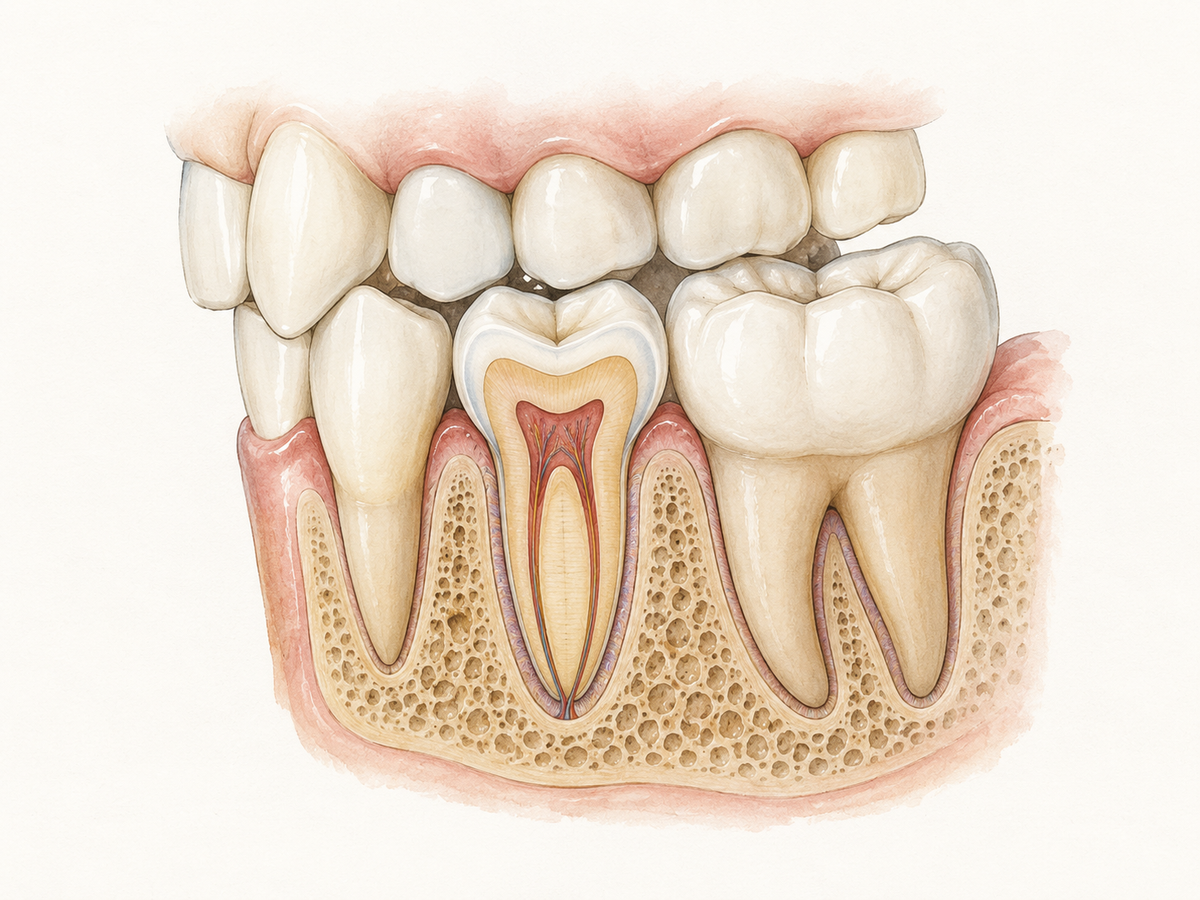
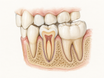
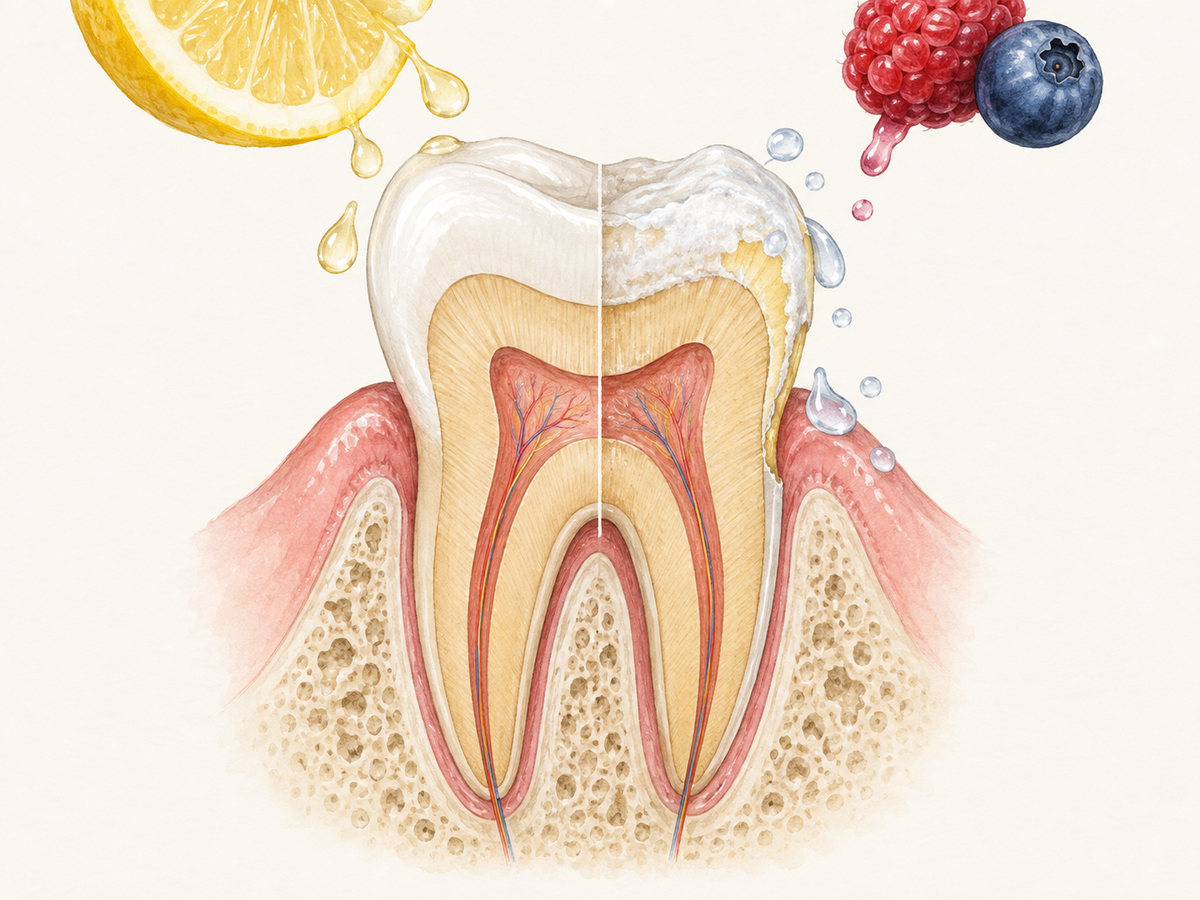
Tooth enamel is the hard outer layer that protects the more sensitive tissue inside. Acid can pull minerals out of enamel. This process is called demineralization, which simply means loss of minerals from the tooth surface.
Acid level is measured by pH. The lower the pH, the more acidic the mouth is. Enamel can begin losing minerals when the mouth pH drops below about 5.5, often called the critical pH (research on enamel and acidic drinks). Natural acids in fruit—including citric acid, malic acid, and ascorbic acid (vitamin C)—can make the mouth more acidic (review of erosive potential).
Acid softens the enamel surface first. That makes it easier for brushing friction or sugar-related acid to cause more wear (consensus guidance on erosive tooth wear). So this is not just about sugar. Acid can do damage directly, before sugar even becomes an issue.
Saliva helps wash acid away and bring the mouth back to a safer pH. If you give your mouth time to recover, occasional fruit is usually fine. The bigger risk comes from frequent acid attacks with little recovery time in between (study on dietary habits and tooth wear).
Signs Your Enamel Is Weakening
Enamel loss is often quiet at first. You may notice:
- Sharp sensitivity to cold, hot, or sweet foods or drinks.
- Chalky white or dull patches on teeth.
- Teeth looking more yellow because the darker layer underneath, called dentin, is showing through.
- Front teeth that look see-through or rounded at the edges.
These changes are not always painful. A dull or chalky surface can be an early clue before bigger wear appears (study on early erosion signs). Teeth may also look more yellow or feel sensitive as enamel thins (ADA patient guide).
Catching these small changes early is useful. It gives you a chance to adjust habits before more enamel is lost.
The Biggest Culprits and Sneaky Habits
Some fruits are more acidic than others. Common culprits include:
- Lemons and limes.
- Grapefruit and oranges.
- Pineapple.
- Kiwi.
- Berries.
- Apples.
Acidic fruit products also matter. Watch for:
- Fruit juice and smoothies.
- Dried fruit.
- Lemon water.
- Citrus-flavored sparkling water.
- Vitamin C chews or tablets.
The frequency and length of acid exposure usually matter more than the single serving itself. Sipping lemon water for hours, snacking on dried fruit all afternoon, or holding fruit juice in your mouth before swallowing gives acid more time on teeth (study on dietary habits and tooth wear).
Fruit juice and citrus fruit are common acid sources in some studies of tooth erosion (systematic review of dietary acids). Chewable vitamin C products are another sneaky source because vitamin C is acidic and can sit against teeth (meta-analysis on dietary factors).
How to Eat Acidic Fruits With Less Damage
You can still enjoy fruit. Small changes make a difference.
- Eat acidic fruit with a meal instead of as a standalone snack.
- Pair it with cheese, plain yogurt, or milk. Dairy may help protect enamel (ADA patient guide).
- Rinse with plain water after eating or drinking something acidic.
- Use a straw for juice, placed toward the back of the mouth, so less acid washes over front teeth (consensus guidance on erosive tooth wear).
- Choose whole fruit over juice. Whole fruit has fiber, and its acid and sugar are less concentrated than juice.
- Eat the fruit in one sitting instead of grazing on it for hours.
Limiting acidic fruit to mealtimes is a practical way to reduce acid attacks (patient preventive advice). It is not about avoiding fruit altogether.
Brushing and Rinsing Timing Rules
The most important timing rule is this: do not brush immediately after acidic fruit.
Acid temporarily softens the enamel surface. Brushing too soon can scrub away that softened layer. Dental guidance suggests waiting at least 30 to 60 minutes before brushing (ADA patient guide). A study found that brushing right after an acid challenge caused more enamel loss, while waiting 60 minutes reduced that loss (study on brushing timing).
You do not have to do nothing while you wait. Try this order:
- Finish the acidic food or drink.
- Rinse with plain water or chew sugar-free gum.
- Wait 30 to 60 minutes.
- Brush gently with fluoride toothpaste.
Rinsing with water and chewing sugar-free gum both help boost saliva, which raises the mouth’s pH back toward a safer level (ADA patient guide).
Daily Repair and Protection
Your mouth has a natural repair process called remineralization. Saliva and fluoride can deposit minerals back into early weak spots. This can harden softened enamel.
But there is a limit. Enamel that has already worn away does not grow back. Dental erosion is considered an irreversible loss of tooth structure (systematic review of dietary acids).
Daily protection is still worth it. Focus on:
- Brushing with fluoride toothpaste.
- Using a fluoride mouthwash if your dentist recommends it. Fluoride mouthwash after brushing may add a small benefit (network meta-analysis of daily fluoride products).
- Avoiding hard-bristle brushes and heavy pressure (patient preventive advice).
- Limiting added sugar and staying hydrated, which supports saliva.
Common Mistakes That Make Erosion Worse
Some habits turn an occasional fruit snack into ongoing acid exposure.
| Mistake | Why it hurts | Safer move |
|---|---|---|
| Swishing or holding acidic drinks in your mouth | Keeps acid on more tooth surfaces longer | Swallow promptly or use a straw placed toward the back |
| Sipping lemon water all day | Creates repeated acid attacks | Drink it with a meal or finish it in one sitting |
| Brushing right after acid | Scrubs softened enamel | Rinse, wait 30 to 60 minutes, then brush gently |
| Using a hard-bristle brush or pressing hard | Adds rough wear to enamel | Use a soft brush and light pressure |
| Overusing whitening strips | Can increase sensitivity, especially on thin enamel | Ask your dentist before using whitening products |
These few swaps can reduce the amount of acid and friction your enamel has to handle.
When to See a Dentist
You do not need to manage everything alone. See a dentist if you have:
- Persistent sensitivity that does not improve with habit changes.
- Teeth that look shorter, thinner, or see-through.
- Dark spots or rough areas on teeth.
- Pain when eating sweet foods.
A dentist can check for early signs and help you find the cause. Professional options may include:
- Applying a fluoride varnish to protect weak spots (topical agents review).
- Recommending a remineralizing product.
- Placing bonding or sealants if erosion is advanced (consensus guidance on erosive tooth wear).
Early action is the key. Small habit changes and fluoride can often stop minor enamel wear from turning into a bigger repair.
This article has been reviewed by an oral health professional for accuracy. It is intended to provide general educational information and should not be used as a substitute for personalized medical advice, diagnosis, or treatment. If you have questions or concerns about your oral health, please consult a dentist, physician, or other qualified healthcare provider.