


















Wisdom Tooth Gum Pain: What Is Pericoronitis and How to Treat It
TL;DR: That sharp, throbbing ache at the back of your jaw — where your wisdom tooth should be — has a name: pericoronitis. It’s a common gum infection around a partially erupted tooth, and it’s entirely treatable. In most cases, relief starts with simple local care, not antibiotics. Here’s exactly what’s happening, how to calm it down now, and when to see a dentist for a permanent fix.
You’re sitting at your desk or trying to fall asleep, and there it is: a deep, pulsating pain radiating from the very back of your lower jaw. It might hurt to swallow, or you notice a weird, metallic taste. You prod the area with your tongue and feel swollen, tender gum tissue.
If you’re in your late teens, twenties, or early thirties, you’re not alone. This is the hallmark of pericoronitis, an inflammation and infection of the soft tissue around a partially erupted wisdom tooth. And while the pain can be intense, it’s a predictable condition that we know how to manage quickly and safely.

Is This Pericoronitis? Spotting the Signs
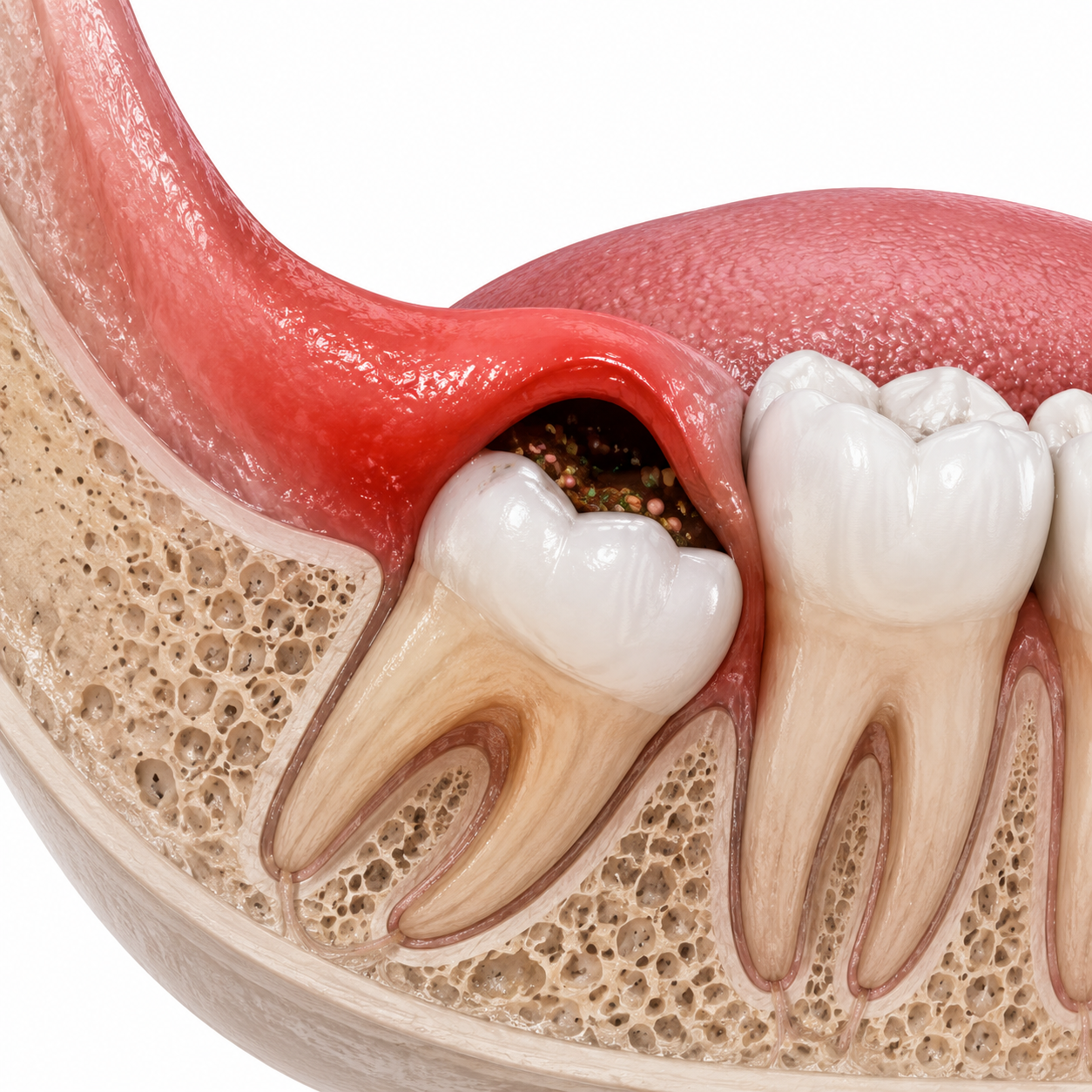
Before you panic, let’s walk through the symptoms in plain language. Pericoronitis almost always involves the lower third molar — the last tooth in the back. The gum there forms a little hood, called an operculum, that can become a trouble zone.
Check for these easy-to-identify clues:
- Red, swollen gum tissue right behind your last tooth, often covering part of it.
- Throbbing or radiating pain that may spread to your ear, throat, or jaw joint.
- A bad taste in your mouth or persistent bad breath.
- Pain when biting down — the top tooth may press against the swollen gum.
- Difficulty opening your mouth or a feeling of stiffness.
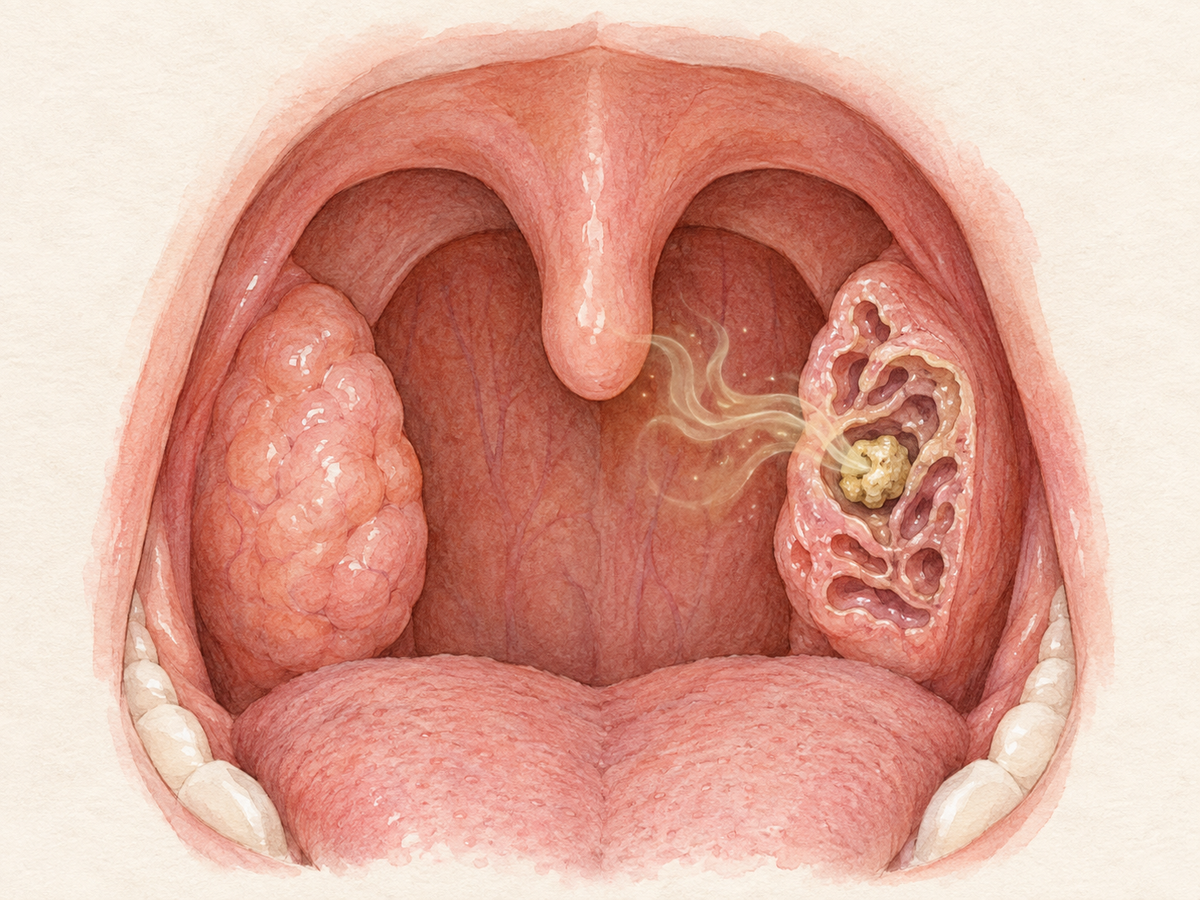
- Sometimes, you’ll see a small amount of pus oozing from under the gum flap.
Key Stat: Pericoronitis affects up to 81% of people in the 20–29 age group, the prime window for wisdom tooth eruption.
If this sounds familiar, you’re probably dealing with a classic case. The good news is that mild episodes may resolve on their own in a few days with good care. But more important, understanding why it happens puts you back in control.
What’s Really Behind the Pain?
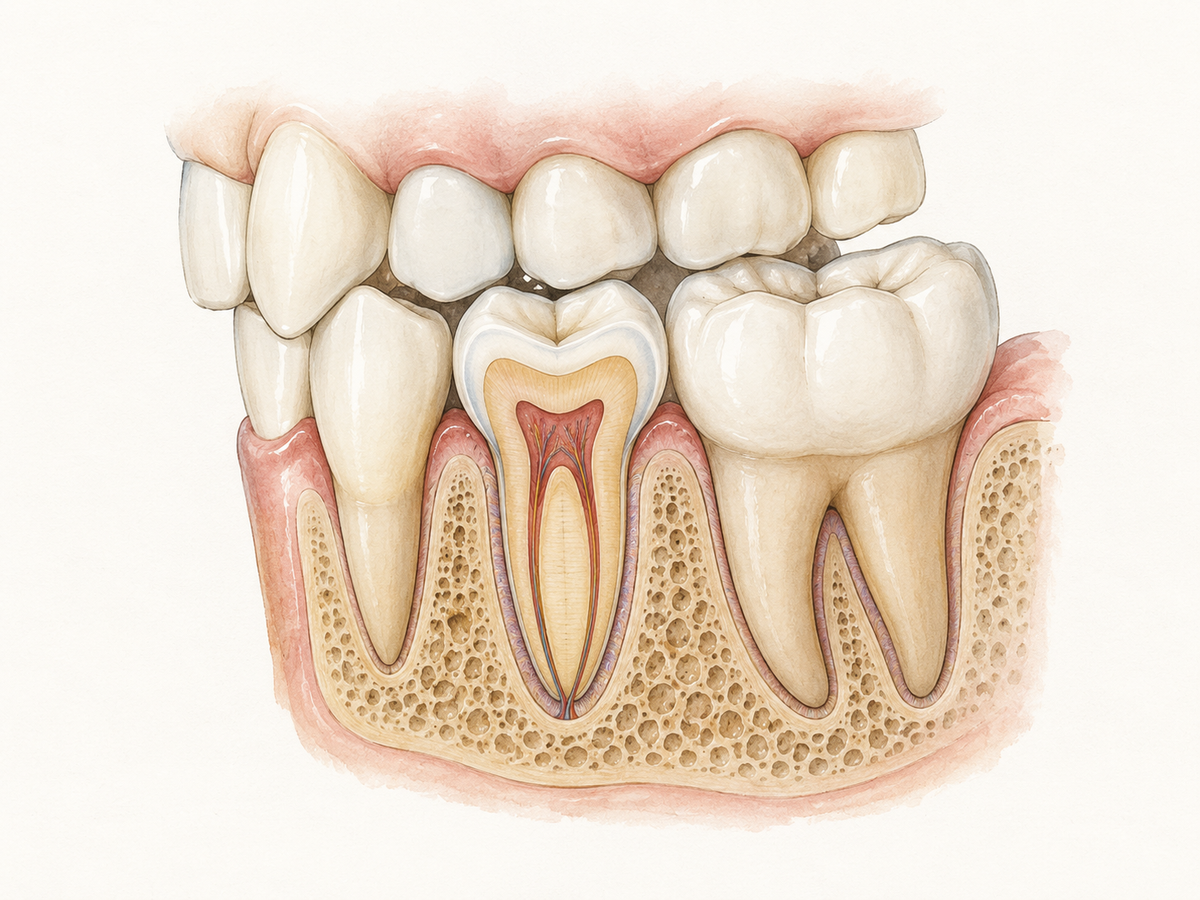
A partially erupted wisdom tooth creates a perfect storm. The tooth hasn’t fully broken through the gum line, so a flap of tissue — the operculum — still covers part of its crown. Think of it like a tiny pocket that’s warm, dark, and has very little oxygen.

Here’s the chain reaction:
- Tiny food particles and bacteria sneak under the operculum.
- The low-oxygen environment favors anaerobic bacteria — the kind that love to cause trouble without air.
- Your immune system launches an inflammatory response, bringing swelling, redness, and pain.
- If left unchecked, the area can become a pericoronal abscess — a localized collection of pus.
What makes it worse? The upper wisdom tooth often bites directly onto that swollen gum, traumatizing it further with every chew. It’s a stubborn cycle, but breaking it is simpler than you might think.
Quick Relief You Can Try Now
If you’re reading this in the middle of the night or while waiting for a dental appointment, these steps can help dial down the discomfort and buy you time. Remember: these are bridges to professional care, not cures.

-
Warm saltwater rinses (the MVP)
Mix half a teaspoon of salt into a cup of warm water. Swish it gently for 30 seconds, two to three times a day, especially after meals. The warmth soothes, and the saline acts as a mild disinfectant while flushing out debris. -
Meticulous but gentle cleaning
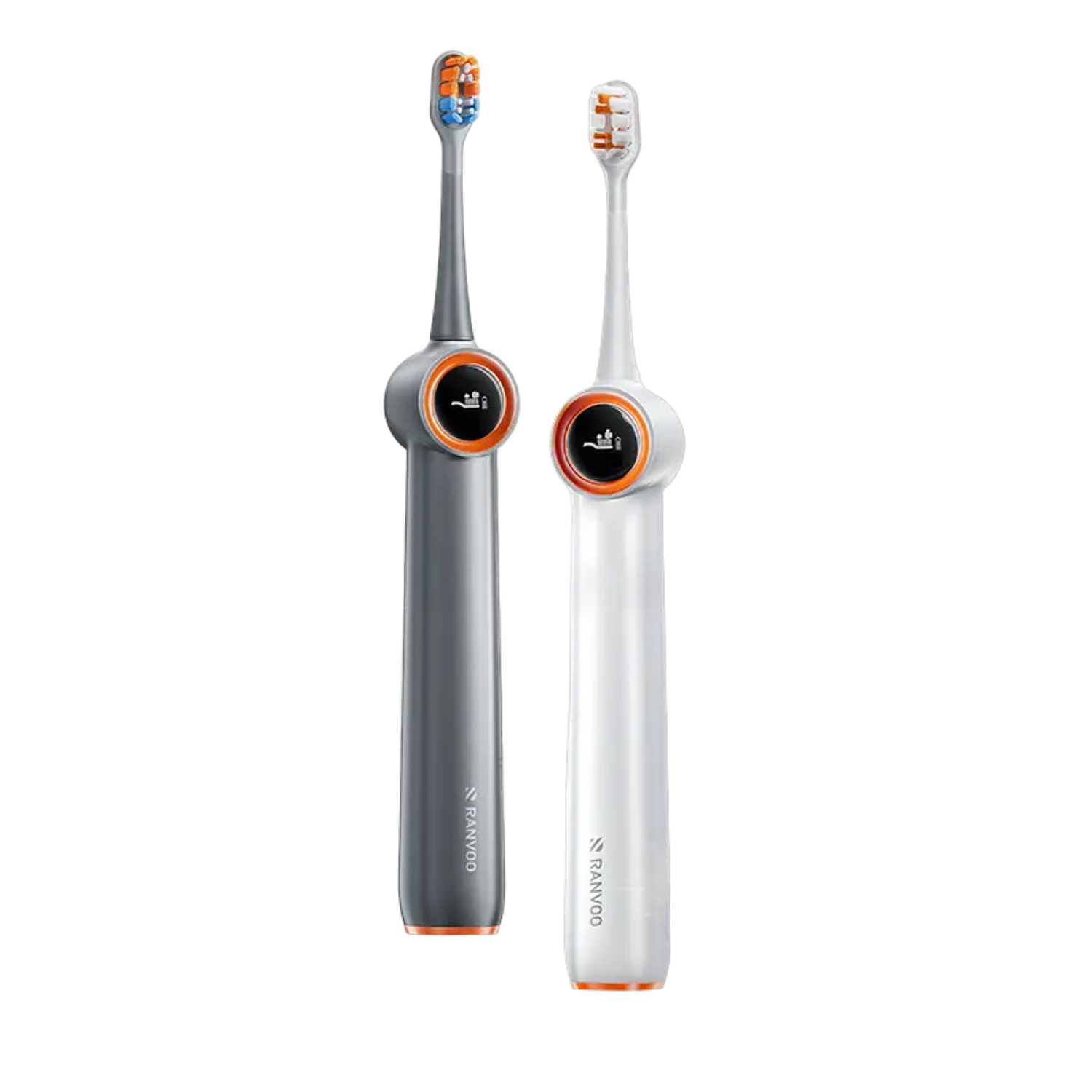
Using a soft-bristled toothbrush, carefully clean the area. If you have a sonic electric toothbrush, its fluid-dynamic cleaning action can flush bacteria from beneath the gum flap with very little pressure — a real advantage when the tissue is angry and tender. -
Irrigation (if you have a syringe)
Your dentist can give you a curved-tip syringe. Fill it with warm water or a diluted mouthwash and gently flush under the operculum to dislodge food particles. -
Over-the-counter pain relief
Ibuprofen (a nonsteroidal anti-inflammatory drug) is often ideal because it tackles both pain and swelling. Acetaminophen can help if you can’t take NSAIDs. Never place aspirin directly against the gum — that old wives’ tale can burn the tissue.
Clinical evidence consistently shows that local measures — irrigation, debris removal, and improved oral hygiene — are the foundation of treatment. A comprehensive 2021 review concluded that antibiotics should be reserved for severe cases with spreading infection, not used routinely.
To learn more about methods for relieving wisdom tooth pain, please read our full article on home remedies for wisdom tooth pain.
Professional Solutions: What the Dentist Will Do
When you get to the dentist, you can expect fast, targeted relief. Dental professionals see pericoronitis constantly, and their tools are effective:
-
Deep cleaning under the gum flap
The dentist will gently irrigate the pocket with an antimicrobial rinse like chlorhexidine, washing away all the trapped debris and bacteria. Most people feel immediate pressure relief. -
Debridement
Any decayed tissue or stubborn food particles are removed. This alone may cool the acute inflammation. -
Operculectomy (in select cases)
If the tooth is otherwise healthy and expected to erupt fully, the dentist might trim away the excess gum flap. This is less common these days, since if impaction is the root cause, the problem often returns. -
Antibiotics — only when truly necessary
If you have a fever, swollen lymph nodes, or the infection is spreading, a short course of metronidazole or amoxicillin may be prescribed. But studies reveal a concerning trend: almost 75% of dentists surveyed prescribed antibiotics for pericoronitis, even though most cases don’t need them. Evidence-based care emphasizes local treatment first.
The goal of that first visit is to get you out of acute pain. Then you and your dentist can plan the long-term strategy.
When to Act Fast: Red Flags That Demand Urgent Care
Most pericoronitis episodes stay localized. But an untreated infection can spread into the deeper spaces of your head and neck — a situation that goes from bad to dangerous quickly. Do not wait if you notice:

- Fever, chills, or feeling generally unwell.
- Swelling that spreads to your cheek, under your jaw, or down your neck.
- Difficulty swallowing or a feeling that your throat is closing.
- Difficulty breathing — even mild shortness of breath.
- Trismus — your jaw feels locked; you can barely open your mouth.
- Swelling of the floor of your mouth or your tongue pushing upward.
These signs can indicate a deep-space infection or even Ludwig’s angina, a rare but life-threatening condition. If any of the above appear, head to an emergency room or call your dentist immediately for an emergency referral. Timely action stops what could become a hospitalization.
Preventing the Next Flare-Up
Once the acute pain subsides, the anatomical problem remains: a partially erupted tooth with a persistent operculum. Without addressing the root cause, recurrence is the rule, not the exception. Each episode also risks damage to the perfectly healthy tooth right in front of it — your second molar — because chronic inflammation can cause decay or bone loss.
That’s why the definitive solution for most people is wisdom tooth extraction. Removing the tooth eliminates the pocket entirely, along with any future risk of infection. This is typically done by an oral and maxillofacial surgeon under local anesthesia or sedation, and recovery is well-mapped: some soreness for a few days, manageable with over-the-counter pain relievers and careful oral hygiene.
If you and your dentist decide to keep the tooth — for instance, if it’s positioned well and likely to fully erupt — then impeccable home care becomes non-negotiable. That means:

- Brushing the area carefully twice a day. An electric toothbrush can give you an edge in reaching the back of your mouth and dislodging plaque around the gum flap with less effort.
- Using an interdental brush or water flosser to clean under and around the operculum.
- Rinsing with a diluted mouthwash or saltwater after meals.
- Scheduling regular dental checkups to monitor the tooth and gum health.
Empowerment comes from knowing you have options — and that acting now prevents bigger problems later.
Final Thoughts
Pericoronitis hurts, there’s no sugar-coating it. But it’s both manageable and preventable. The immediate step is to calm the area with gentle rinsing and see your dentist for a professional cleaning. The long-term step is to decide, with expert guidance, whether to keep or remove the tooth — before your second molar pays the price.
Most people who get timely care bounce back within days, returning to normal eating and smiling. This isn’t a diagnosis to fear; it’s your body’s signal that a small anatomical hiccup needs attention. By listening to it now, you’re making the smart, self-caring move.
This article has been reviewed by an oral health professional for accuracy. It is intended to provide general educational information and should not be used as a substitute for personalized medical advice, diagnosis, or treatment. If you have questions or concerns about your oral health, please consult a dentist, physician, or other qualified healthcare provider.