












Tonsil stones, also called tonsilloliths, are small hardened clumps that form in the natural pockets of your tonsils. They can cause bad breath because odor-causing bacteria inside them release rotten-egg-smelling sulfur compounds. You can often ease symptoms with gentle saltwater gargles and good daily oral care, but you should not dig at your tonsils. Persistent pain, swelling, or trouble swallowing deserves a professional exam.
Safety rule: Only try to remove a stone you can see near the surface. Stop right away if you notice bleeding or sharp pain.
Why They Form and Why They Smell
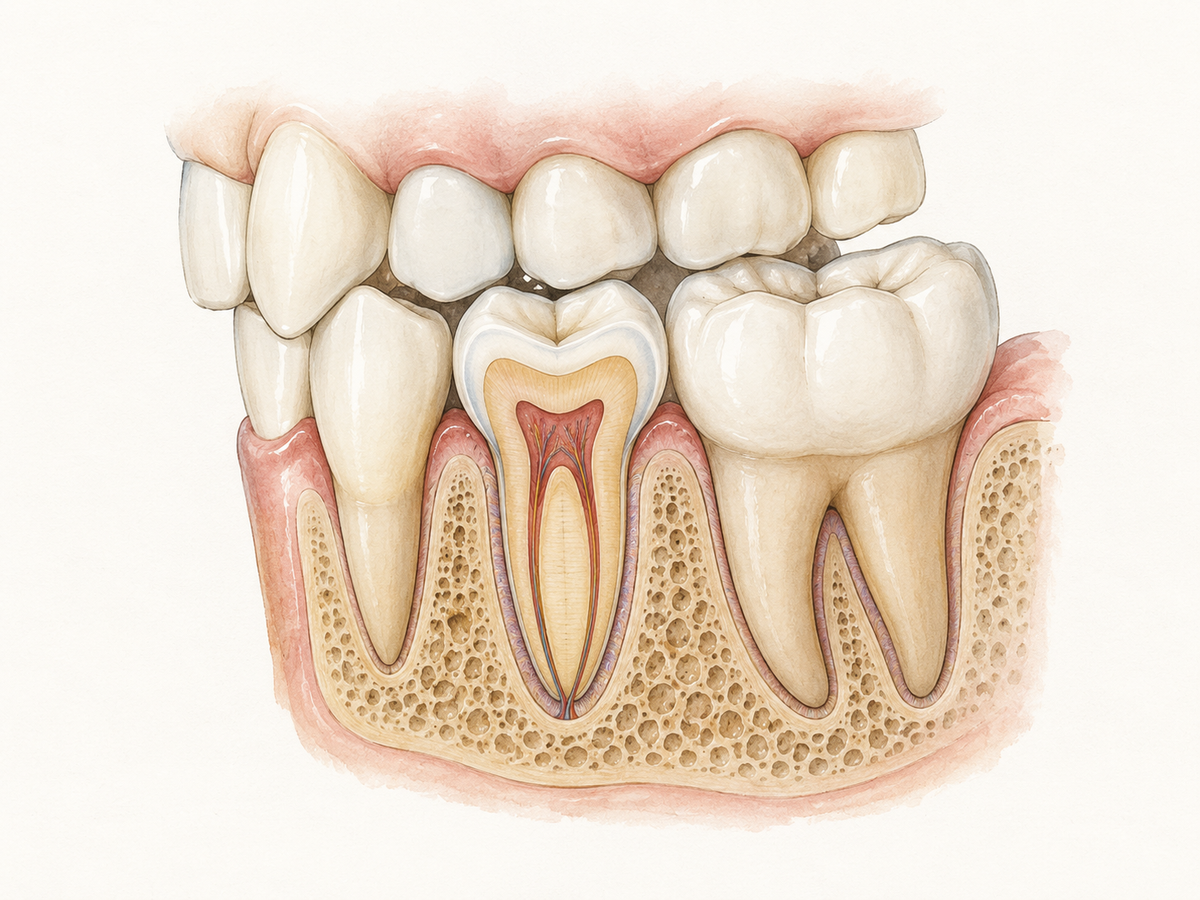
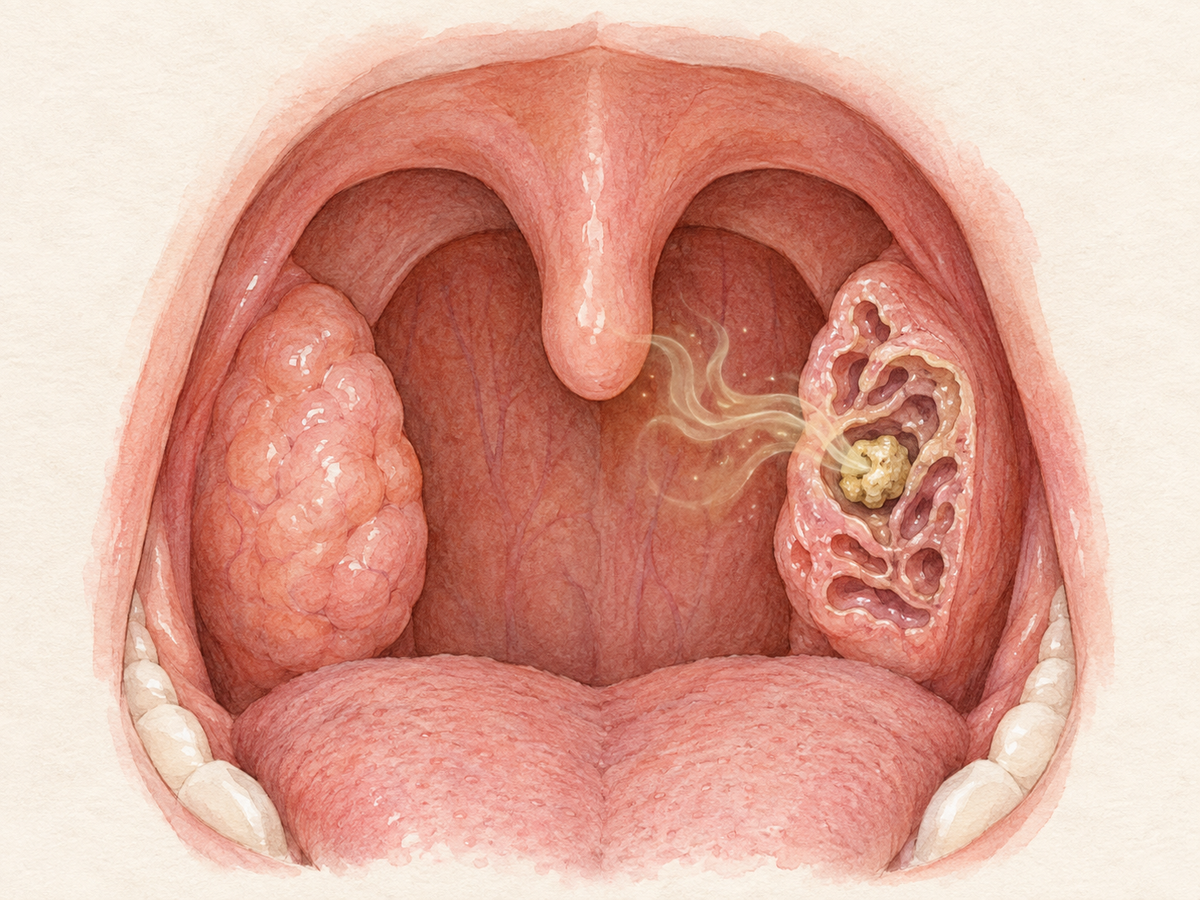
Your tonsils are not perfectly smooth. Many people have small pits or crevices, called tonsillar crypts. Bits of food, shed cells from the mouth and throat lining, and normal mouth bacteria can collect in those pockets.
Over time, this mix can harden into a tonsil stone. A tonsil stone is not just a lifeless grain. Researchers describe it as a living biofilm, which means bacteria are embedded and protected inside a sticky structure. Learn more about tonsil stones as biofilms
Some of those bacteria produce volatile sulfur compounds (VSCs). These are the same foul-smelling chemicals behind a rotten-egg smell. That is why even a small stone can cause breath that seems worse than expected. Read the research on odor compounds from tonsil stones
How to Tell If It’s Tonsil Stones
Common signs include:
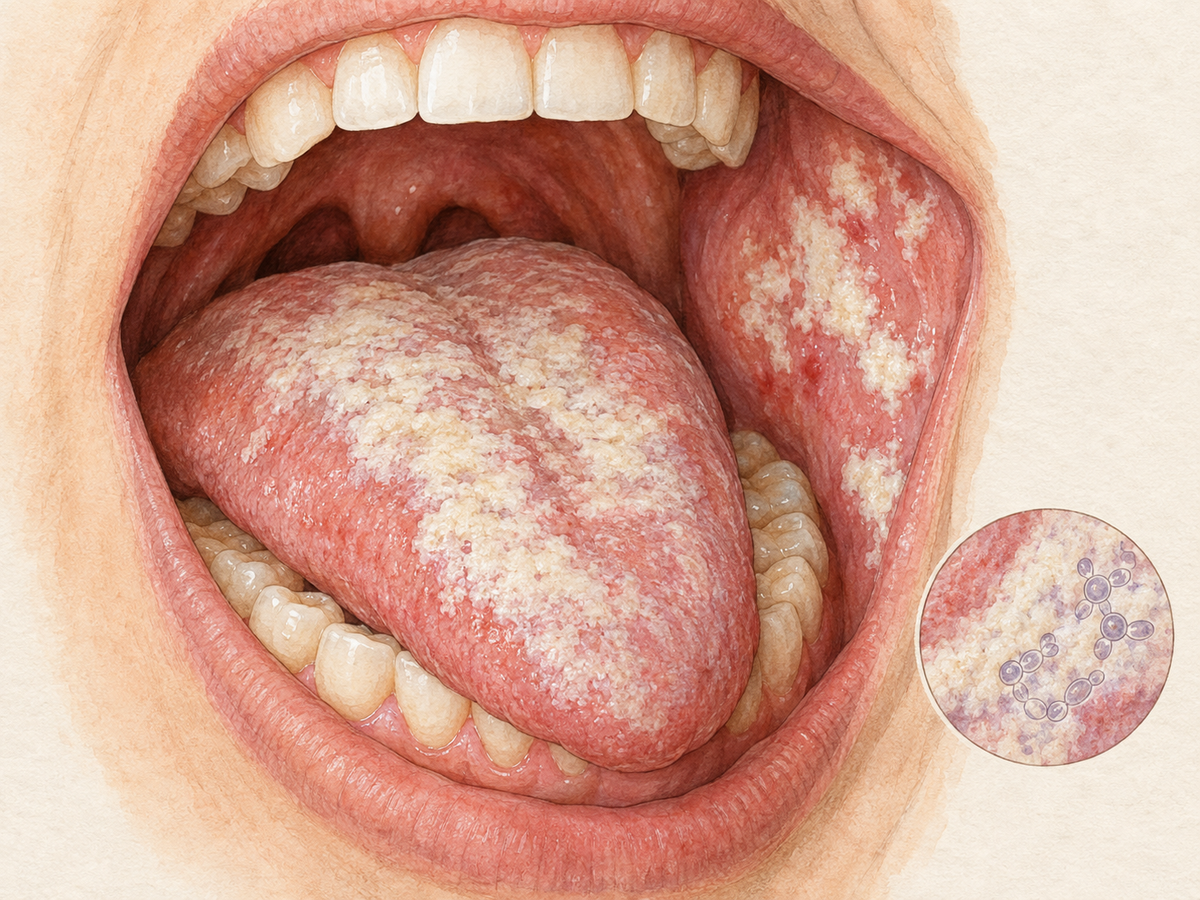
- White or pale yellow spots on the tonsils
- A rotten or metallic taste in the mouth
- A feeling that something is stuck in the back of the throat
- Coughing up small, foul-smelling lumps
You can do a gentle self-check in good light. Open wide, use a mirror and flashlight, and look at the back of the throat. A stone may look like a small pale speck on the tonsil.
Do not push or probe if you see something. Some stones sit deep in the pockets and cannot be seen.
Redness, significant swelling, sore throat, fever, or one-sided pain may point more toward tonsillitis or another infection rather than a simple stone. Post-nasal drip and sinus infections can also cause throat mucus and bad breath, so try not to blame every bad-breath day on tonsil stones.
If you feel self-conscious about bad breath, remember it is a common and treatable problem, not a personal failing.
Safe At-Home Removal
At-home care should focus on comfort and helping loose surface stones, not digging out hidden ones.
- Gargle with warm salt water. Mix about half a teaspoon of salt into eight ounces of warm water and gargle gently. This can soothe the area and may help dislodge surface debris.
- Cough gently after drinking water or gargling. A loose stone may come out on its own.
- If a stone is clearly visible near the surface, use a low-pressure curved-tip syringe or a water flosser on its lowest setting. Aim the stream around the stone, not directly into the tonsil.
- Use a soft cotton swab only to press very gently around a visible stone. Never insert it deep into the tonsil pocket.
- Stop right away if you notice bleeding, sharp pain, or gagging that makes control difficult.
Conservative measures such as gentle gargling and careful low-pressure irrigation are reasonable options for mild cases. Read about conservative treatment approaches
The goal is symptom relief, not forcing out something you cannot see clearly. If a stone is not visible or does not come out easily, leave it alone.
What Not to Do
- Do not use sharp tools such as tweezers, toothpicks, or pins.
- Do not dig with your fingernails.
- Do not use high-pressure water flossers or strong jets aimed at the tonsils.
- Do not repeatedly poke or scratch the area.
The tonsils are soft, blood-rich tissue. Sharp or forceful attempts can cause bleeding, open the door to infection, and create scar tissue. In rare cases, trauma or a stone breaking through the tonsil capsule can lead to an abscess. Learn about rare tonsil stone complications
The urge to “just get it out” is understandable, but the safest approach is gentle care or professional help.
When to See a Dentist or ENT
See a dentist or ear, nose, and throat specialist if you notice:
- Tonsil stones that keep coming back and bother you
- Bad breath that persists even with good oral care
- Pain or swelling in the tonsils
- Trouble swallowing or breathing
- Fever
- Bleeding from the tonsils
- One tonsil that looks much larger than the other
Most small stones do not require surgery. A professional can assess whether a visible stone should be removed in the office.
For frequent, disruptive stones, a doctor may discuss procedures that smooth the tonsil pockets, called cryptolysis, or in severe recurrent cases, removing the tonsils, called tonsillectomy. However, evidence for tonsil procedures specifically for bad breath is limited, so the decision should be individualized. Read the clinical review on tonsil-related bad breath
If you have trouble breathing, significant swelling, or bleeding that does not stop, seek urgent care rather than waiting.
Prevention Habits That Keep Breath Fresher
Prevention is about consistency more than any single product.
- Brush twice a day and floss daily to reduce mouth bacteria and food debris.
- Scrape or brush your tongue. Tongue scraping is a useful first step because it helps reduce oral sources of odor. Read the guidance on tongue scraping
- Gargle with salt water regularly, especially at night.
- Drink enough water. Staying hydrated supports saliva flow, which helps wash away debris.
- If you have post-nasal drip or allergies, work with your clinician to manage them, because mucus can feed stone formation.
- Keep regular dental cleanings.
No mouthwash can undo poor daily care. The routine matters more than chasing a miracle rinse.
Other Causes of Bad Breath to Rule Out
If you remove tonsil stones but your breath still smells, the cause may be somewhere else. Gum disease, cavities, acid reflux, sinus infection, and dry mouth are all common causes of bad breath.
This is why a dental exam is often the best next step. Your dentist can check the mouth for odor sources before you assume the tonsils are the only problem. If your mouth is healthy and breath still persists, your dentist may suggest an ENT or medical evaluation for other causes.
Start with gentle care and daily habits. If stones keep coming back, or if you have pain, swelling, bleeding, or trouble swallowing, let a professional look—not your fingernails or a sharp tool.
This article has been reviewed by an oral health professional for accuracy. It is intended to provide general educational information and should not be used as a substitute for personalized medical advice, diagnosis, or treatment. If you have questions or concerns about your oral health, please consult a dentist, physician, or other qualified healthcare provider.