






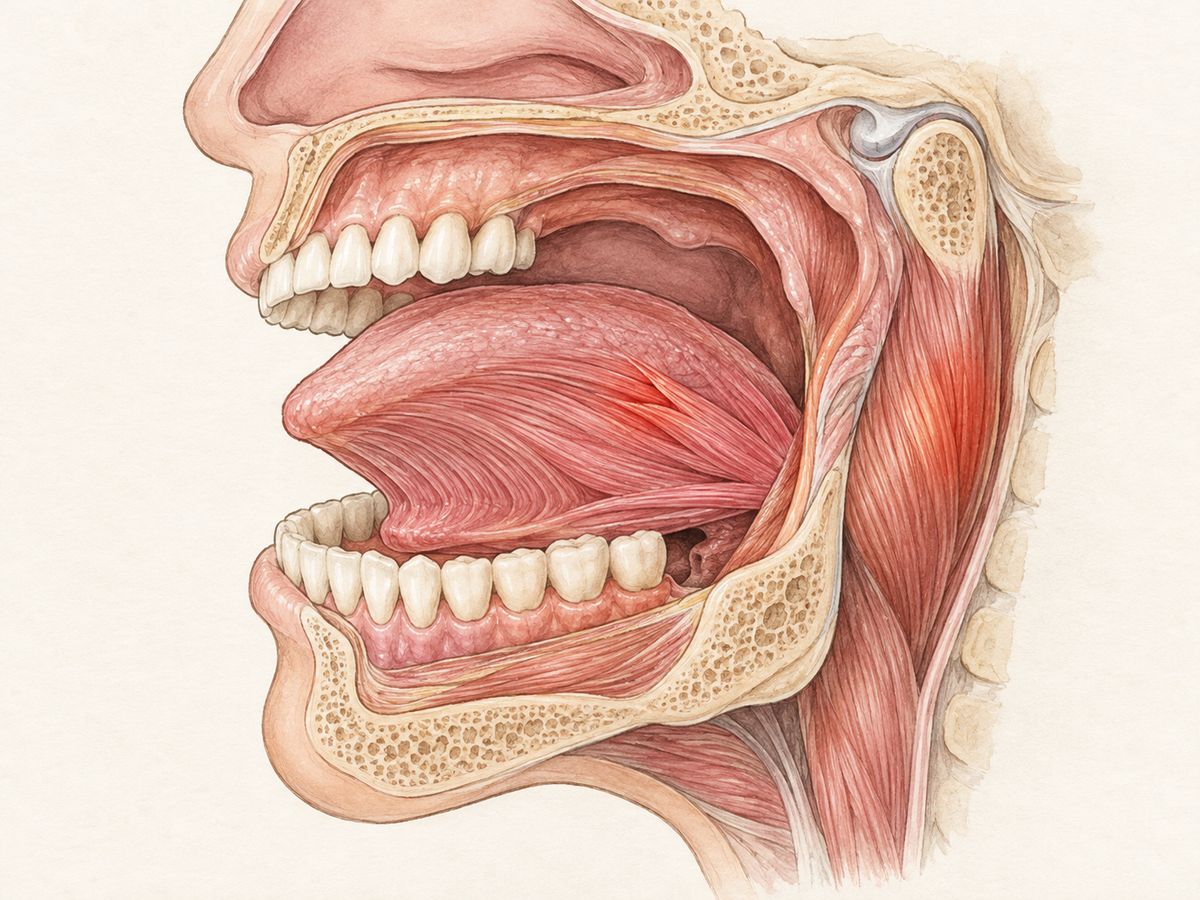
Most tongue spasms are brief muscle twitches or cramps set off by everyday habits, such as talking for a long time, clenching your jaw, having too much caffeine, or being tired or stressed. These often settle with simple changes. But a spasm that keeps coming back, stays on one side, gets worse, or shows up with slurred speech, weakness, or trouble swallowing needs a medical or dental check.
If a tongue spasm comes with trouble breathing, choking, swallowing trouble, or sudden weakness, get urgent help. Do not wait to see if it passes.
Classify the Sensation
The word “spasm” can mean different things. Noticing how the tongue feels helps you and your clinician narrow the causes.
- Brief, fine twitching: a small ripple or flicker under the surface. It may come and go, and by itself is not automatically serious. Still, clinicians note tongue twitching because in some cases it can be a sign of a nerve or muscle problem, especially if there is weakness or shrinking of the muscle. A review of abnormal tongue movements explains that these twitches are nonspecific, meaning they can have several different causes.
- Cramping after talking or swallowing: like a charley horse in the tongue. It often feels tight, sore, or overworked.
- Sustained tightness: the tongue feels stiff or pulled for longer than a quick twitch. This can sometimes be a movement problem rather than just a tired muscle.
- Movements you cannot control: tongue pushing, twisting, or moving on its own, which may be triggered by speaking or eating.
The main clues are duration, location, pain, and triggers. A brief twitch that comes and goes, especially with an obvious trigger like caffeine or a long talk, is usually less concerning than a twitch that is constant, one-sided, or paired with weakness.
Everyday Muscle Triggers
Many tongue spasms are tied to how you use and treat your jaw and tongue muscles.
- Not enough fluids: Dehydration is often blamed for muscle cramps, but the evidence is mixed. Fluids still help with comfort and dry mouth, and some research suggests that staying hydrated may delay cramping under strain, even if it is not the whole answer. See this hydration study.
- Tired muscles from overuse: Long talking, singing, chewing, or holding the tongue in a certain position can overload the muscles.
- Not enough sleep: Poor sleep can leave muscles more irritable and may make nighttime clenching worse.
- Caffeine or stimulants: Coffee and energy drinks may increase jaw muscle activity. Habitual coffee consumption has been linked to more intense sleep bruxism, or nighttime clenching and grinding. See this coffee and bruxism study.
- Stress and anxiety: Stress can make you hold tension in your jaw and tongue without noticing.
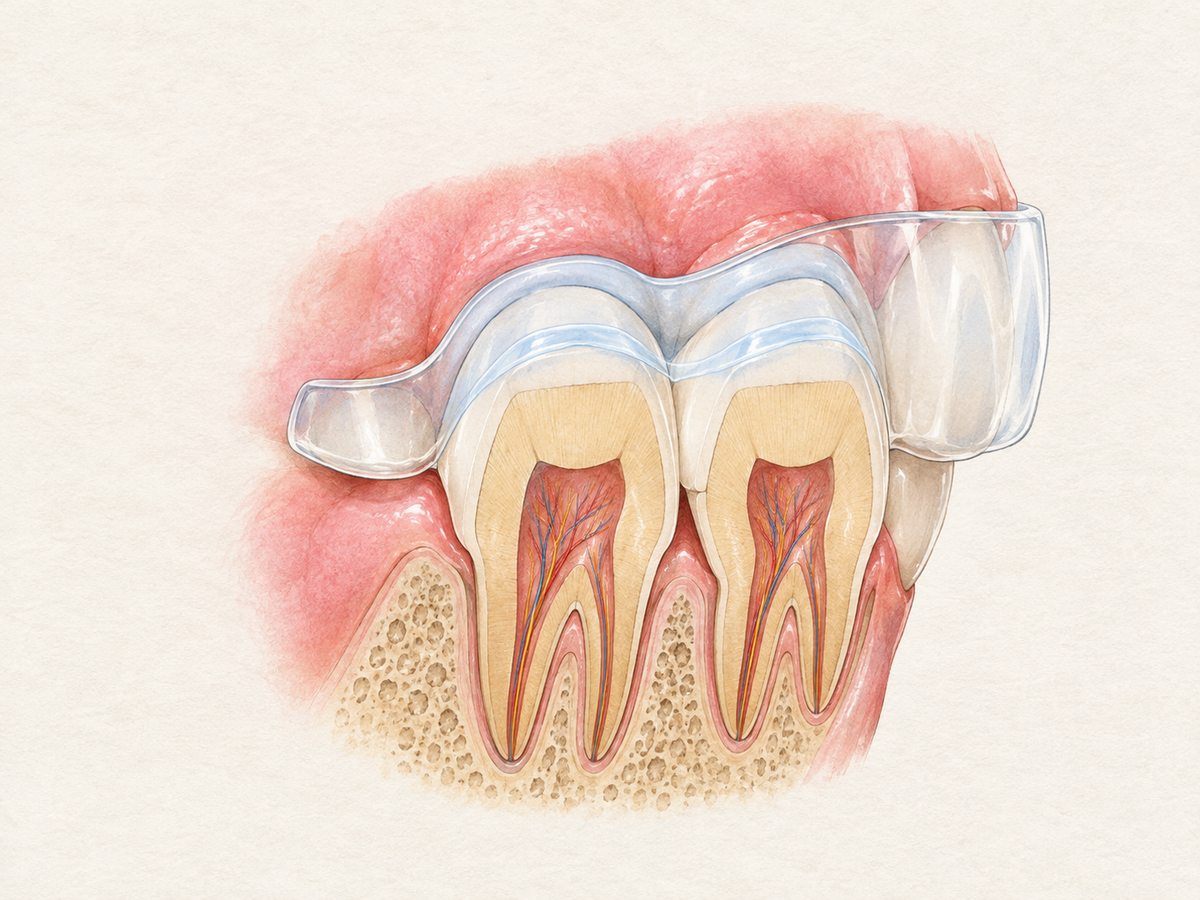
- Jaw clenching or grinding: This repeated muscle load can cause soreness in the jaw and nearby tongue muscles. Bruxism, the medical term for clenching or grinding, can happen while awake or during sleep. This overview explains how bruxism works.
- Heavy voice use: Prolonged speaking or singing can fatigue the tongue.
These everyday habits often overlap. Poor sleep plus extra coffee plus a long meeting can leave the tongue twitching or cramping. Many of these causes respond to simple adjustments, such as pacing speech, cutting back caffeine, and noticing jaw clenching.
Nutrient and Medication Clues
If spasms keep coming back or affect more than the tongue, nutrient and medication factors become more relevant. But this is not a do-it-yourself diagnosis.
- Salt or mineral imbalances: Low levels of sodium, potassium, calcium, or magnesium can sometimes affect muscle cramping. However, the research is mixed: magnesium helps some pregnancy-related cramps but has not shown consistent benefit for every kind of cramp. See this review of electrolytes and muscle pain.
- Low vitamin B12: B12 supports nerve health. Some long-term medicines, including certain acid reducers and metformin, can lower B12 levels over time. This review explains the medication link.
- Medicine side effects: Medicines can increase muscle activity, cause dehydration, or affect salts. Certain blood pressure medicines list muscle cramps or spasms as possible effects, although the link is not always clear. See this discussion of diuretics and cramps.
- Recurrent or widespread spasms: A spasm that keeps returning, or one that affects more than the tongue, makes nutrient and medication causes more likely.
Do not start large-dose vitamins or minerals on your own. A clinician can review your symptoms, check your medicines, and order blood tests if needed. This is safer than guessing, because some supplements interact with health conditions or prescriptions.
Nerve and Neurologic Causes
Sometimes a tongue spasm is not just a tired muscle. Pay attention when the pattern changes.
- An irritated nerve: A nerve that controls the tongue can be irritated by local problems in the head, neck, or jaw.
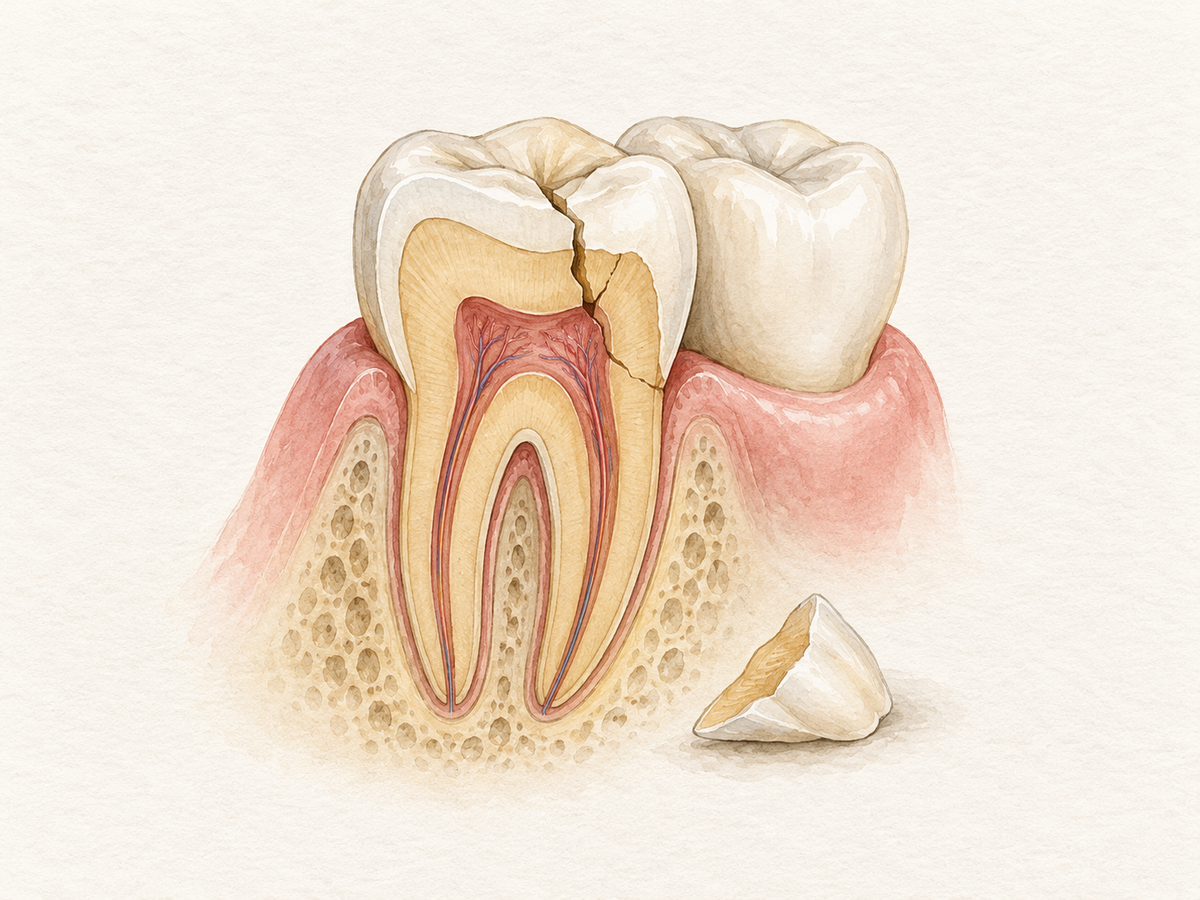
- Jaw joint or dental problems: Jaw joint problems, bite issues, or dental problems can strain jaw and tongue muscles and cause pain. Because jaw symptoms can overlap with other conditions, evaluation matters. This review describes how these problems are assessed.
- Movement disorders: Conditions like oromandibular dystonia can cause sustained involuntary contractions of the jaw, face, or tongue. These movements may be triggered by speech or eating and should be evaluated. See the American Academy of Oral Medicine statement on this condition.
- Neurologic problems: Some brain or nerve conditions can cause tongue twitching, weakness, shrinking, or poor coordination. A neurologic exam may check the tongue at rest, while sticking it out, and during speaking or swallowing. See this review of tongue movement evaluation.
A key difference is the pattern. A simple muscle cramp is usually brief, reversible, and tied to an obvious trigger. A spasm that is one-sided, progressive, or comes with weakness, coordination trouble, or symptoms beyond the tongue should be checked.
Stop a Spasm Now
If a spasm hits, use these comfort steps.
- Stop talking briefly. Let the tongue rest.
- Sip a little water. This keeps the mouth moist and gives the muscle a pause.
- Take slow, calm breaths. Slow breathing can reduce overall tension.
- Let the jaw relax. Let your lips rest slightly apart without forcing the tongue forward.
- Gently stretch or massage the tongue and jaw if it feels safe. For an active muscle cramp, gentle static stretching is considered a fast and safe comfort measure. See this evidence review.
- Use a warm compress on the outside of the jaw or neck if the muscles feel tight. Warm compresses may reduce cramp discomfort, based on studies performed in other muscles. See this trial on warm compresses.
- Recheck your position. Move your head or jaw gently if you were holding an awkward posture.
These are comfort measures only. They do not tell you the cause. If symptoms are severe, recurring, or come with warning signs, get an evaluation.
If you have trouble breathing, choking, or cannot swallow, call emergency services or get to an emergency department now.
Prevention and Tracking
Prevention is about trying small changes one at a time.
- Pace your speech. Take breaks during long conversations or presentations.
- Drink enough water during the day. But do not force huge amounts.
- Reduce caffeine if you notice a link. Coffee and energy drinks may increase jaw muscle activity. See this study on coffee and clenching.
- Improve sleep. A regular sleep schedule and less caffeine late in the day may help.
- Notice jaw clenching. During the day, check whether your teeth are touching when they should not be. Let them part.
- Watch trigger positions. Some people notice symptoms when the head is forward, the jaw is tense, or the tongue is pressed against the teeth.
- Keep a brief symptom log. Write down the time, how long it lasted, where it happened, whether it hurt, what you ate or drank, caffeine, and medicines. A few words are enough.
- Track without obsessing. If you notice a link, change one thing and see if it helps.
Prevention is trial and error, not a guarantee. A short, simple record is more helpful than tracking every hour.
Red Flags and Next Steps
Some symptoms need urgent care, not watchful waiting:
- Trouble breathing
- Trouble swallowing or choking
- New weakness in the face, tongue, or limbs
- Tongue pulling or pointing to one side
- Slurred or unclear speech
- Sudden severe symptoms
- Spasms after a head or neck injury
A tongue that deviates to one side, with slurred speech or swallowing trouble, is a reason for urgent evaluation. Clinical guidance on tongue movement assessment emphasizes looking for tongue deviation, weakness, and abnormal movements. See this review.
For ongoing but non-urgent tongue spasms, the next step is a dental or medical assessment. A dentist can look for clenching, dental problems, or jaw joint issues. A physician or neurologist can check nerve function and movement. If the spasms are hard to catch, try to record a short video when it is safe to do so. Do not record while driving or if you cannot breathe or swallow. High-quality video can help a clinician see what you are describing. See this discussion of video documentation.
If the spasm was brief and isolated, try the comfort steps and watch for a pattern. If it happens again, lasts, or worries you, make an appointment. If urgent red flags appear, call for help right away.
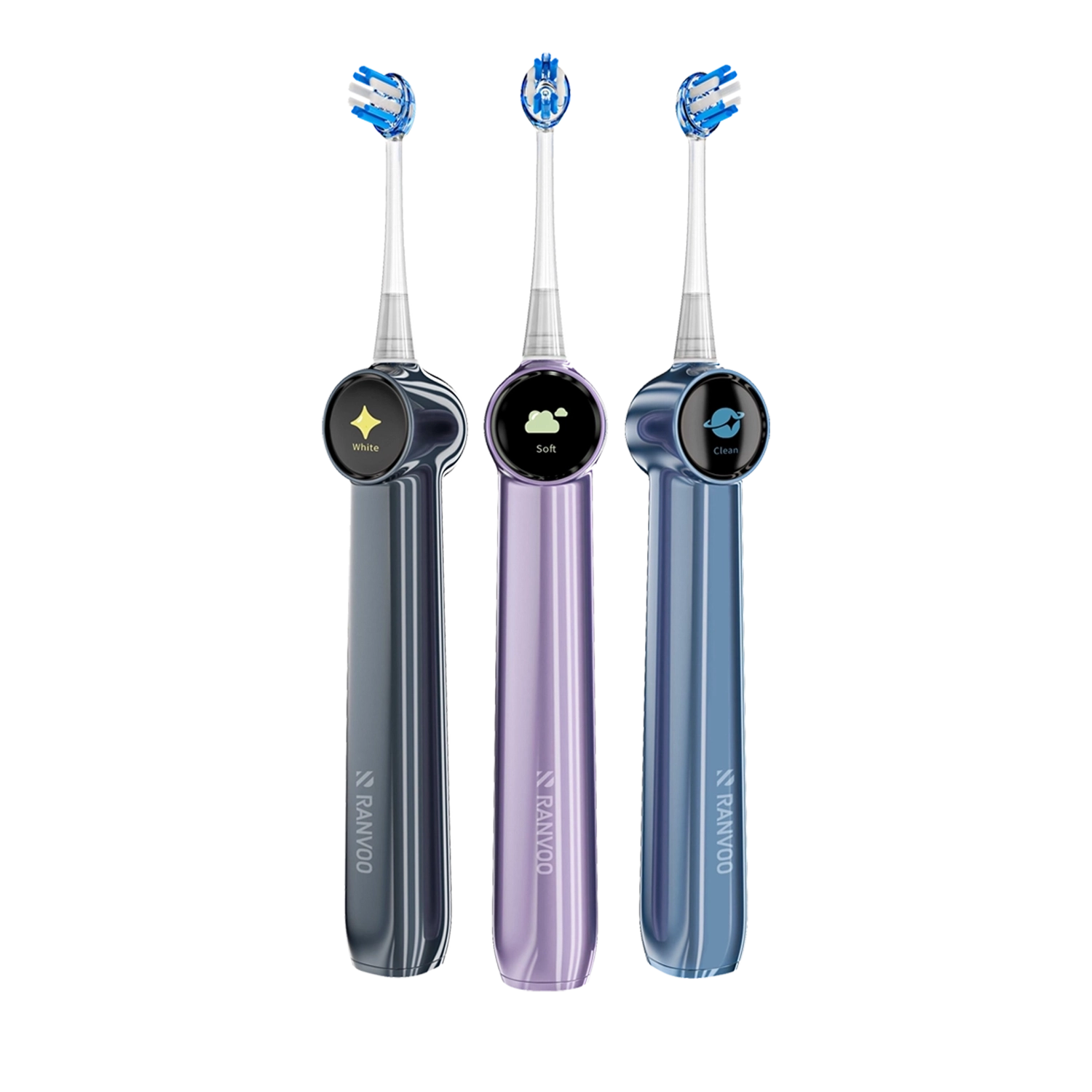
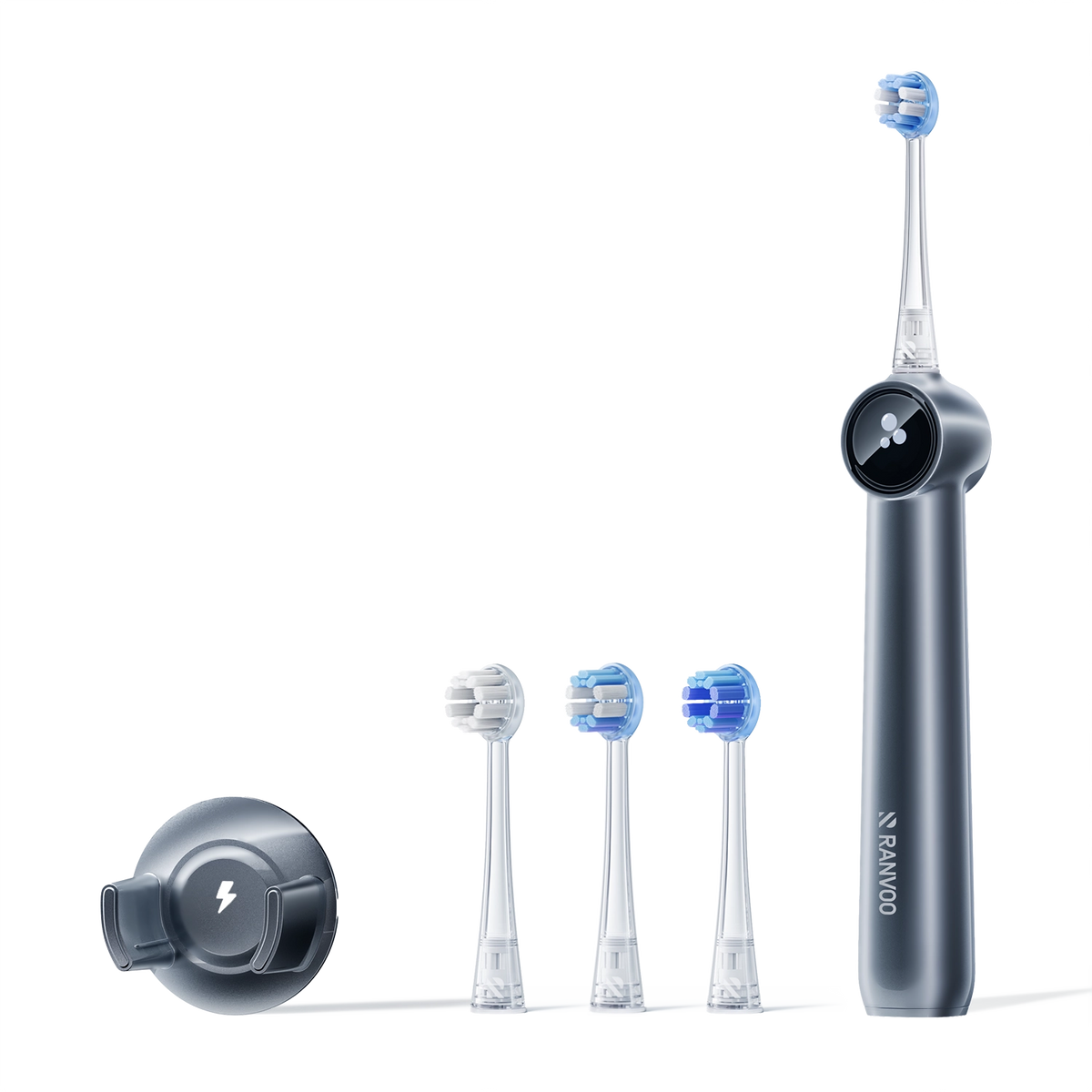
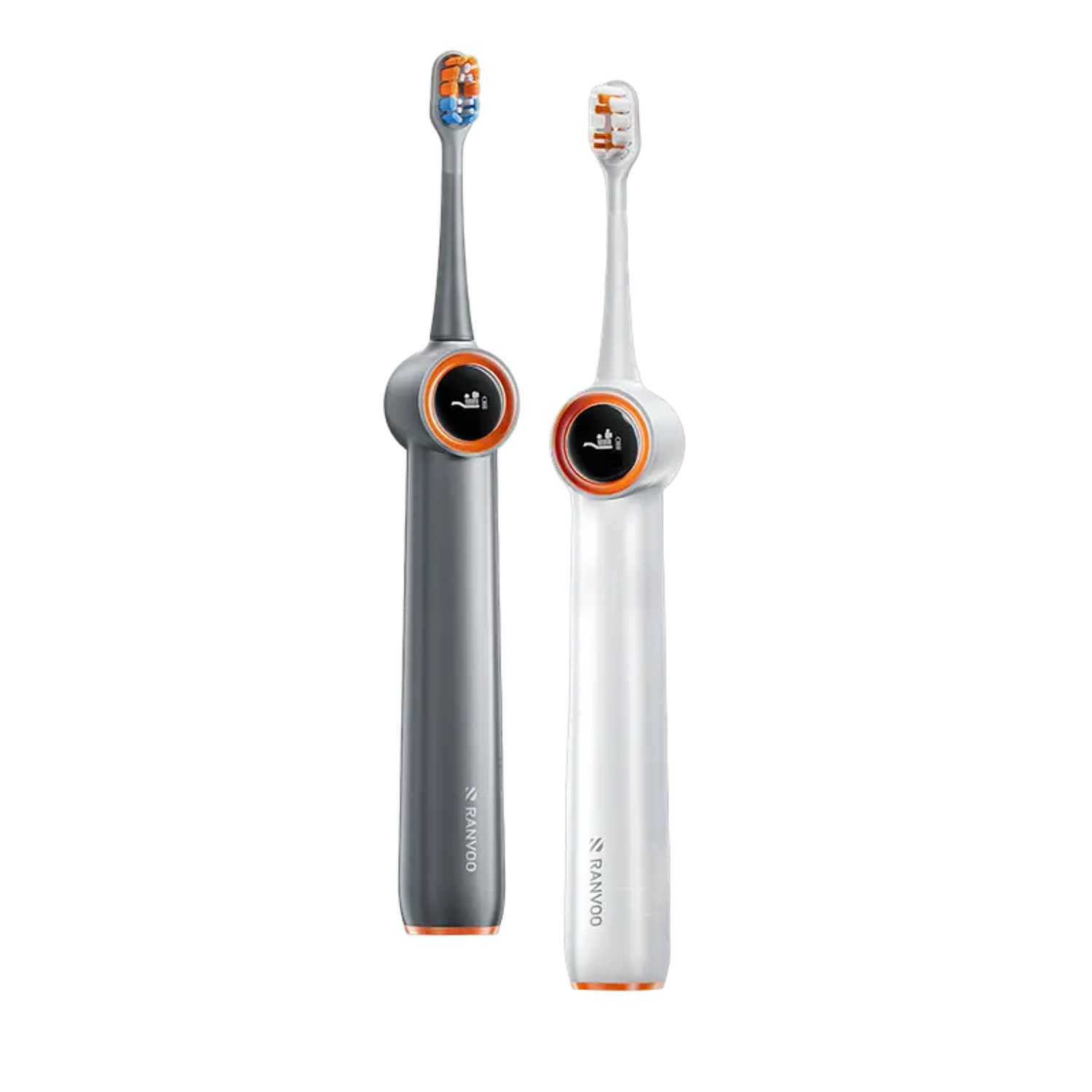
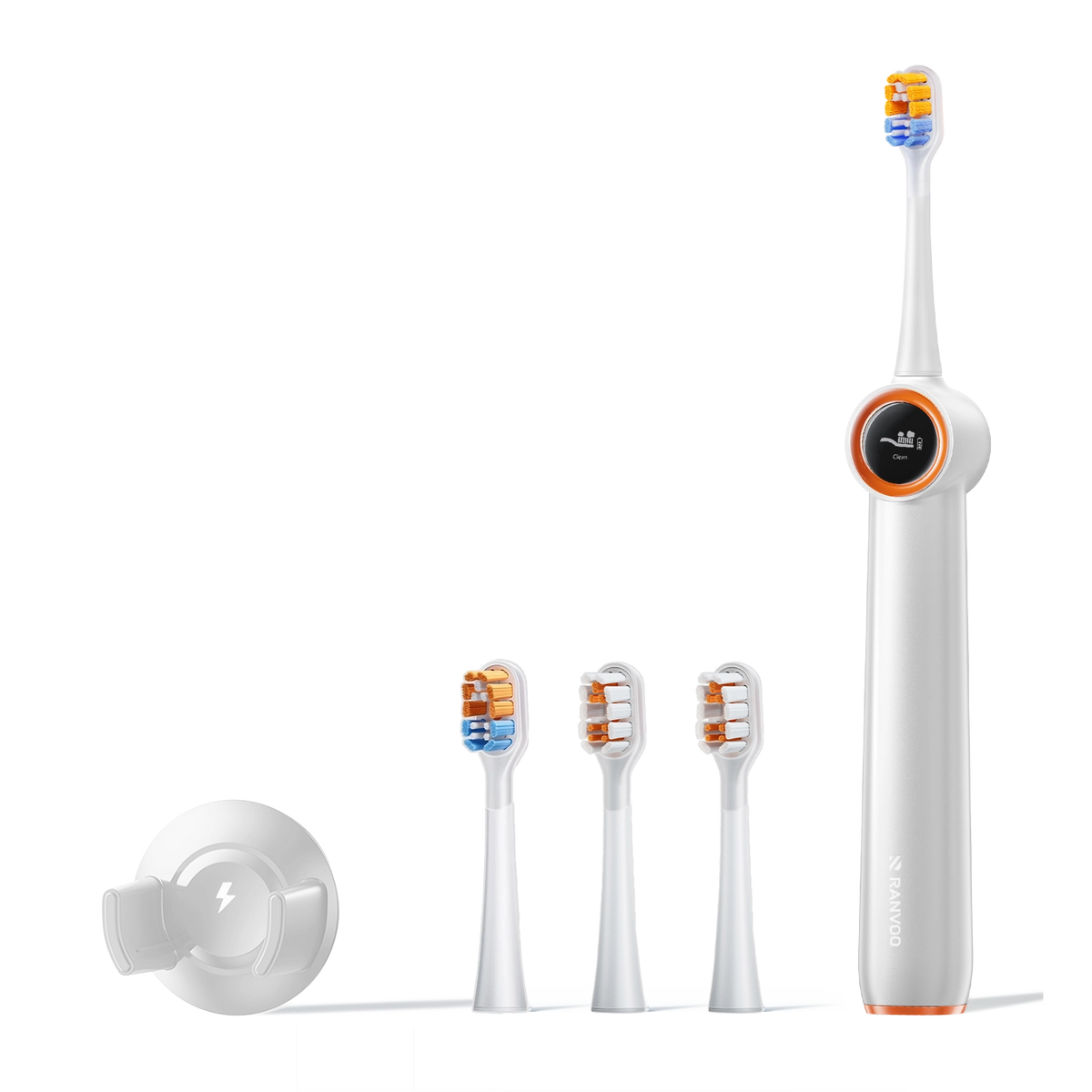
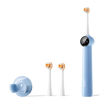
 Best Overall
 Best Value
 Best for Sensitive Teeth
This article has been reviewed by an oral health professional for accuracy. It is intended to provide general educational information and should not be used as a substitute for personalized medical advice, diagnosis, or treatment. If you have questions or concerns about your oral health, please consult a dentist, physician, or other qualified healthcare provider.