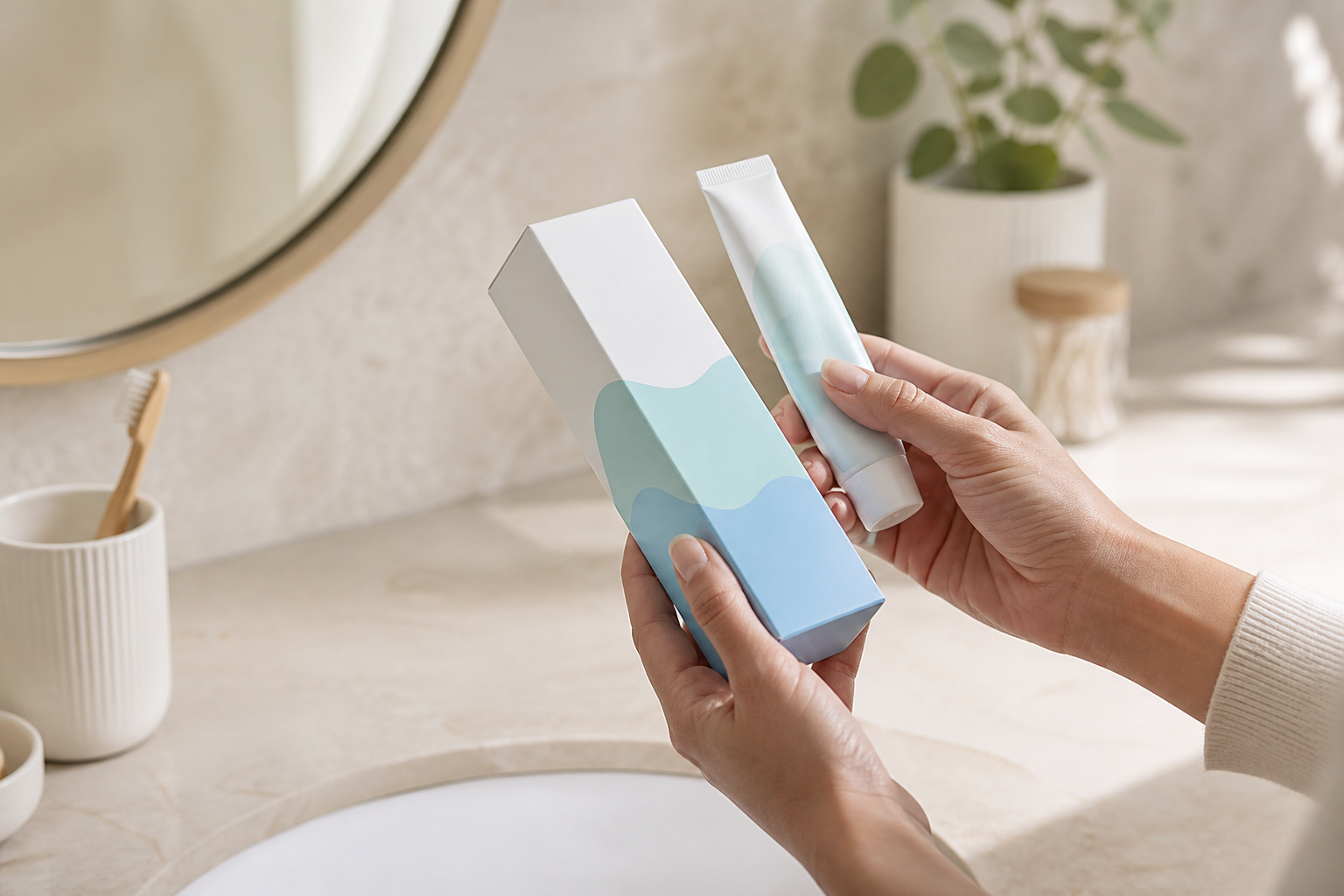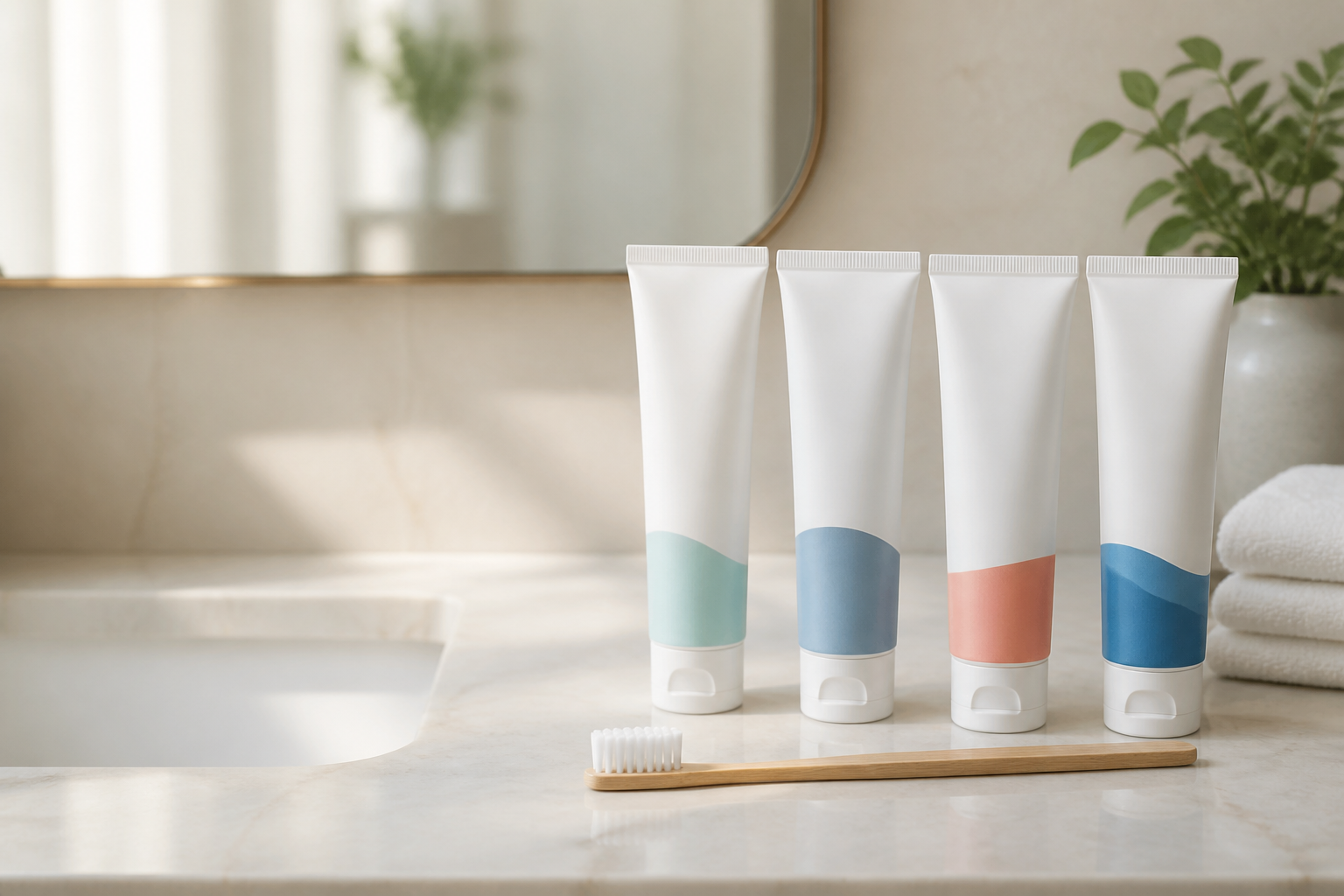



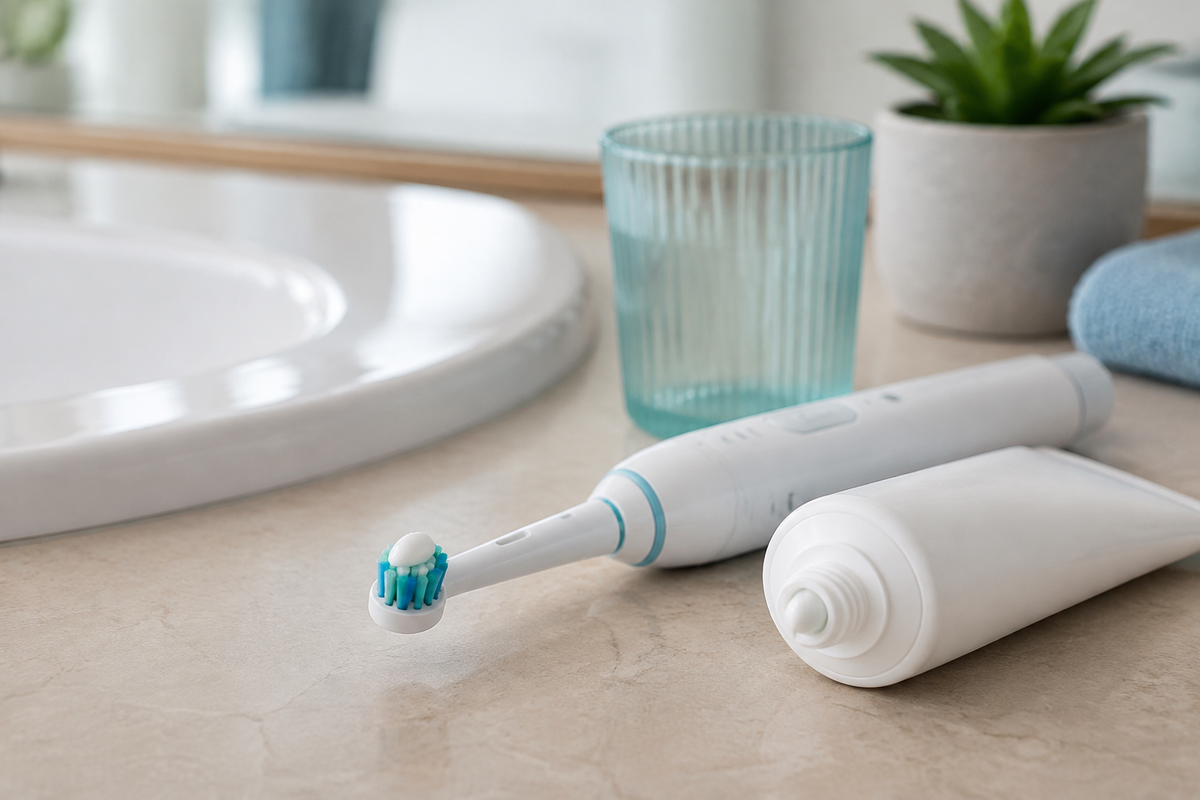
Usually, no. Most adults can use a regular fluoride toothpaste with an electric toothbrush unless the toothpaste label, brush instructions, or a dental professional says otherwise.
The brush supplies the powered movement. The toothpaste supplies fluoride and any other benefit stated on its label.
Regular fluoride toothpaste usually works
An electric toothbrush does not create a separate category of toothpaste. The American Dental Association recommends brushing twice a day for two minutes with fluoride toothpaste and says either a manual or powered toothbrush can be effective.
The NHS gives similar general advice. It says either brush type can work when you clean every tooth surface and use fluoride toothpaste.
That does not mean every paste suits every person or every device. Check the package and your brush manual for instructions that apply to the products you have.
The brush and toothpaste do different jobs
The powered handle moves the brush head. You still need to guide the head so it reaches the outside, inside, and chewing surfaces of your teeth.
Toothpaste supports brushing in other ways. Fluoride helps protect against cavities. Mild abrasives work with the brush to remove debris and surface stains, while detergents help spread the paste and create foam. These ingredient roles are explained in the ADA’s MouthHealthy toothpaste guide.
Foam comes from detergent and helps spread the toothpaste. The amount of foam does not tell you whether the paste contains fluoride or supports another stated benefit.
Do not assume that a “special” paste will improve a toothbrush’s motor, movement, or other device feature. That kind of product pairing needs specific instructions or testing.
Choose toothpaste for your mouth, not the motor
Start with cavity protection. For most adults, that means choosing a fluoride toothpaste and using it as directed.
Then consider your own needs. These may include sensitivity, surface stains, flavor preference, or irritation from a previous formula. The decision process is the same whether your brush is manual or powered.
A powered toothbrush cannot make the wrong toothpaste right for you. If a formula causes ongoing burning, swelling, peeling, or sores, stop using it and ask a dentist or another qualified healthcare professional for advice.
Check both sets of instructions

Before pairing a new toothpaste with your brush, make two quick checks:
- Read the toothpaste label. Confirm the active ingredient, purpose, warnings, and directions.
- Read the brush manual. Look for any limits on toothpaste type, texture, or use.
This matters most when you use a prescription toothpaste or a brush with unusual care instructions. Follow the product-specific directions instead of a general online rule.
Make the pairing comfortable
The best pairing is one you can use correctly and consistently. A simple routine can help:
- Use a fluoride toothpaste that fits your oral-health needs.
- Follow the amount and frequency stated on its label or recommended by your dental professional.
- Follow the brush maker’s directions for positioning, pressure, timing, and movement.
- If the foam or flavor feels uncomfortable, choose another suitable formula instead of shortening your brushing time.
- Ask a dentist for help if sensitivity or irritation continues, or if you use a prescription product.
The key is compatibility with the instructions and with your mouth. A separate “electric toothbrush toothpaste” is usually unnecessary.