












No—tartar cannot be safely dissolved at home. Once plaque hardens into calculus, it bonds tightly to teeth and can only be removed with professional dental instruments. Trying to dissolve it with acids, abrasives, or DIY scraping risks enamel damage and gum irritation.
The main thing to know: home products can’t dissolve established tartar. The safe fix is professional scaling, plus daily plaque control to keep it from coming back.
Why Tartar Won’t Dissolve
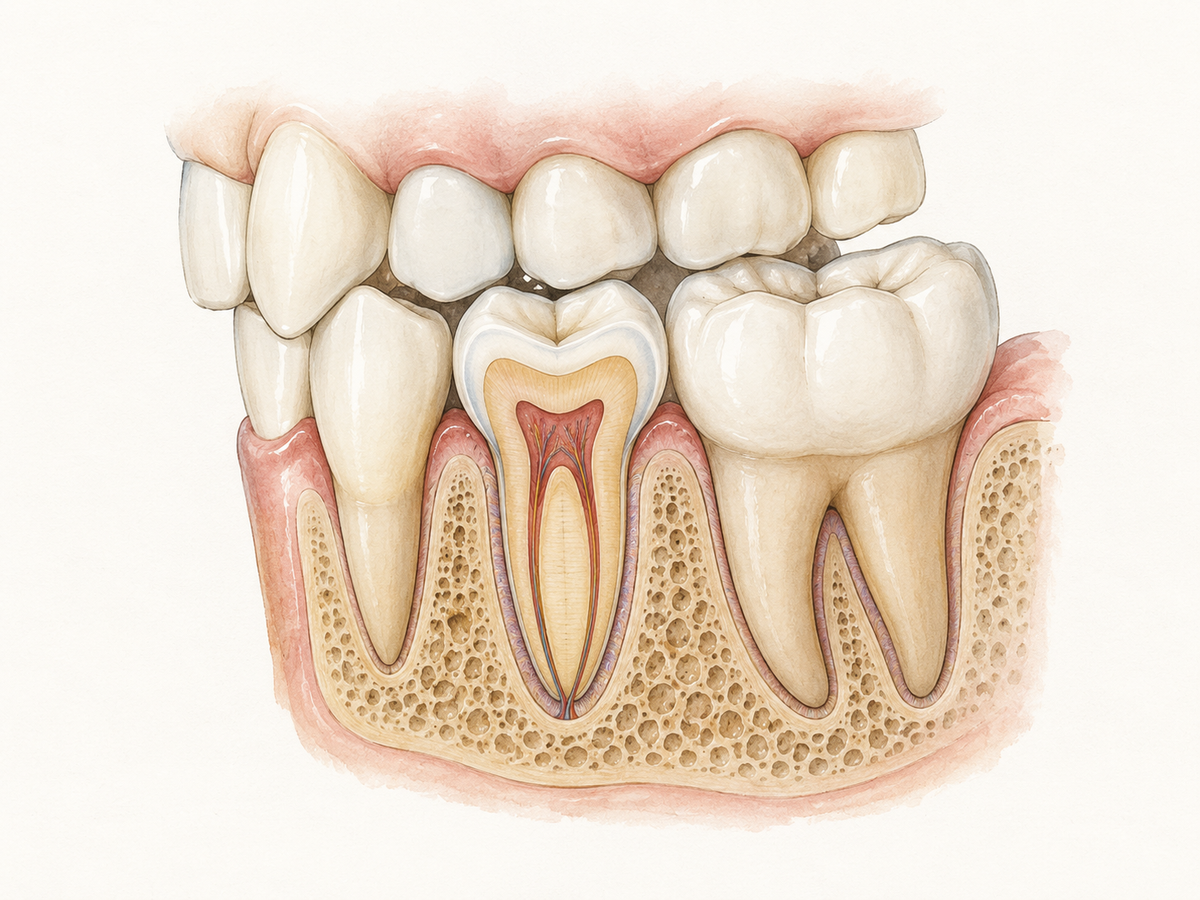
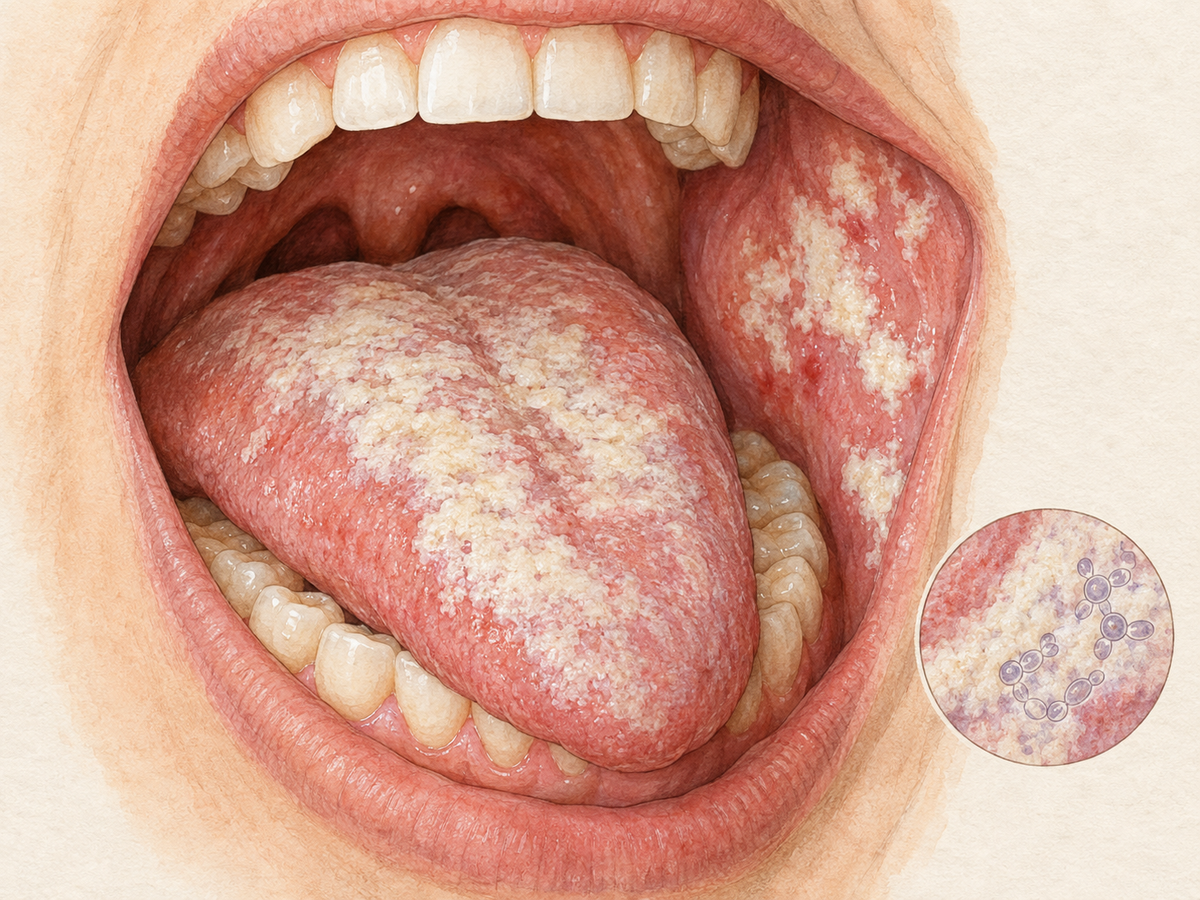
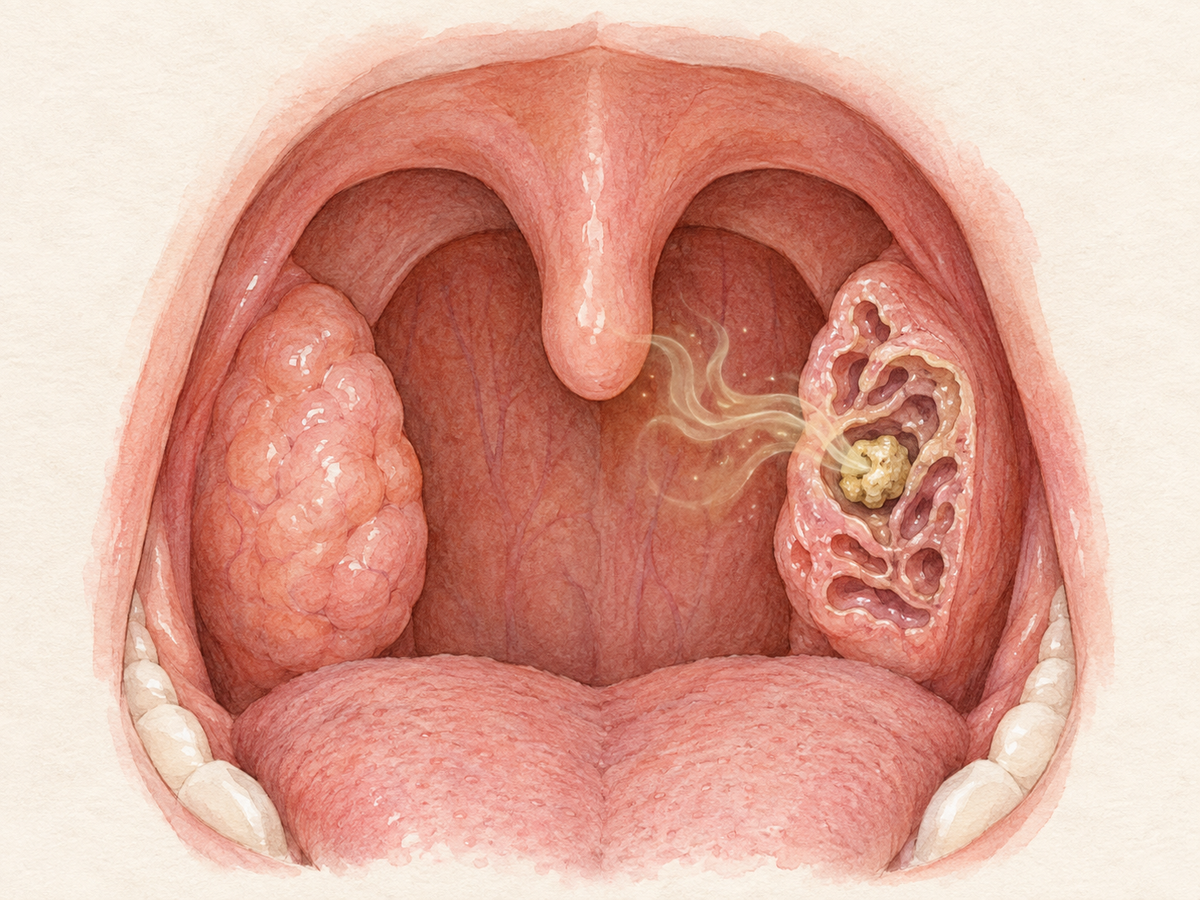
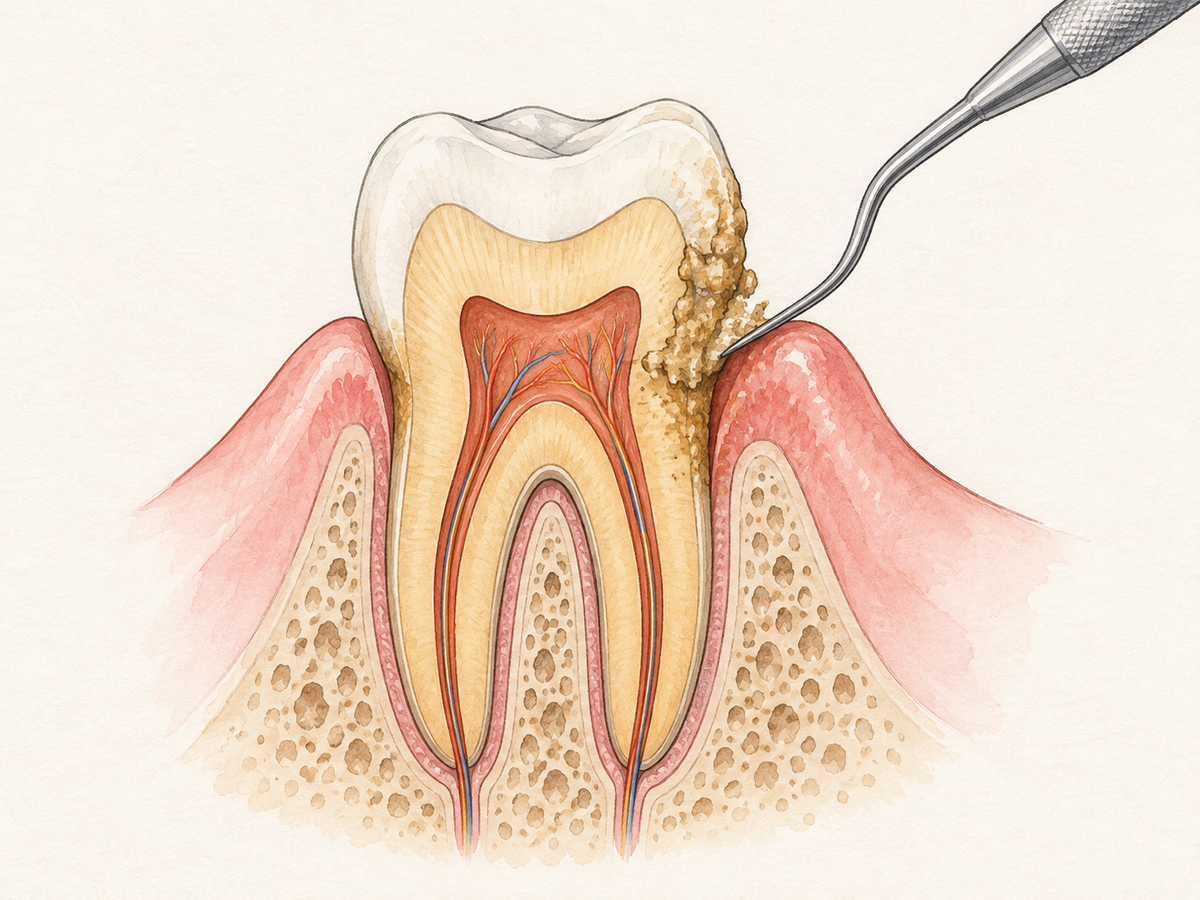
Tartar is mineralized plaque, not a soft film or a simple stain. Minerals from your saliva harden the plaque over time. The result is a crusty deposit that clings to teeth. Because it is mineralized, rinses and home remedies cannot penetrate it the way they might loosen food debris or surface stains.
- Soft plaque: can be removed with brushing and flossing.
- Hard tartar: has to be physically broken away with professional tools.
Tartar also has a rough surface. That rough texture gives more plaque a place to cling. So once tartar forms, the buildup can grow faster. Waiting often makes the problem bigger, not easier.
What Your Dental Hygienist Would Say
Most hygienists won’t be shocked or judgmental. They see tartar all the time. But they would strongly advise against:
- Vinegar or lemon rinses, which are acidic.
- Baking soda scrubs or harsh homemade pastes, which can be too abrasive.
- Scraping your own teeth with metal or sharp tools.
Those tactics can scratch or weaken your enamel, the protective outer tooth layer, and irritate your gums. Tartar removal is a routine clinical procedure, not a chemical project. Clinical guidance for gum health describes professional mechanical plaque removal, including calculus removal, as an essential part of care.
Delaying professional care also lets tartar spread below the gumline, which is where the tooth meets the gum. Tartar under the gumline can lead to gum disease, so earlier removal is easier and more comfortable.
Home Remedies: Hype vs. Help
Some home remedies can help with plaque, surface stains, or breath. None can remove established tartar. A few can harm teeth if used too aggressively.
| Home remedy | What it may help | Why it won’t remove tartar |
|---|---|---|
| Oil pulling | May improve gum health in limited, low-quality evidence | No evidence it removes hardened buildup |
| Hydrogen peroxide rinse | May reduce gum inflammation or bacteria | Does not dissolve calculus |
| Apple cider vinegar or lemon | Nothing that outweighs the risk | Acidic enough to soften enamel with frequent use |
| Baking soda scrub | May help remove surface plaque | Too abrasive as a DIY scrub; won’t break tartar |
| Tartar-control mouthwash | May help reduce new plaque or stains | Cannot remove tartar already on teeth |
A systematic review found that oil pulling may have some benefit for gum health, but the evidence was very low certainty and chlorhexidine remained better at reducing plaque. Research on hydrogen peroxide mouth rinses suggests they may affect plaque and gum inflammation, but they are not tartar removers. Baking soda toothpastes may help remove plaque, but that is not the same as removing hardened calculus. Vinegar, fruit juices, soft drinks, and lemon are known to be highly acidic and can contribute to enamel erosion.
The Safe Way Tartar Is Removed
A professional dental cleaning removes tartar with tools designed for the job. It is quick and common.
- Ultrasonic scaler: A vibrating tool with water that loosens large deposits.
- Hand scalers: Small, specially shaped instruments that scrape tartar above and below the gumline.
- Polishing: A gentle smoothing step that removes leftover stains and makes the tooth surface less easy for plaque to stick to.
If tartar has already moved under the gumline or gum disease is present, you may need a deeper cleaning. A local anesthetic can numb the area if your teeth are sensitive. Routine scaling and polishing reduces calculus levels compared with no scheduled cleaning.
What to Do Before Your Appointment
- Stop any DIY scraping or acidic rinses. Give your enamel and gums a break.
- Keep brushing gently with fluoride toothpaste.
- Floss or use interdental brushes without forcing them.
- Write down symptoms like bleeding, bad breath, or sensitivity so you can mention them.
- Book the cleaning even if you feel embarrassed. Tartar is extremely common, and it is easier to treat early.
How to Keep Tartar From Returning
Prevention works by removing plaque before it hardens into tartar. The habits are simple:
- Brush twice daily with fluoride toothpaste.
- Clean between your teeth daily with floss or interdental brushes, especially where a toothbrush cannot reach.
- Limit sugary and acidic drinks, which feed plaque and soften enamel.
- Ask your dentist whether a fluoride rinse makes sense for you.
- Schedule cleanings every six months or as your dental team recommends.
Dental prevention guidance strongly supports regular toothbrushing with fluoride toothpaste and interdental cleaning. Recall intervals should be tailored to your personal risk, but regular professional cleaning helps remove plaque before it hardens.
Bottom Line
You cannot dissolve tartar at home. Your dental hygienist would rather remove it safely than treat damage from acids, harsh scrubs, or self-scraping. The best plan is professional scaling now, then steady daily plaque control to keep tartar from coming back.
This article has been reviewed by an oral health professional for accuracy. It is intended to provide general educational information and should not be used as a substitute for personalized medical advice, diagnosis, or treatment. If you have questions or concerns about your oral health, please consult a dentist, physician, or other qualified healthcare provider.