









Most people feel the worst pain and swelling in the first 3 to 5 days. You can usually return to work or school after about 2 to 4 days, and you may feel close to normal by 1 to 2 weeks. The surface gum tissue often heals within 7 to 10 days, while the deeper jawbone can take months to fully remodel.
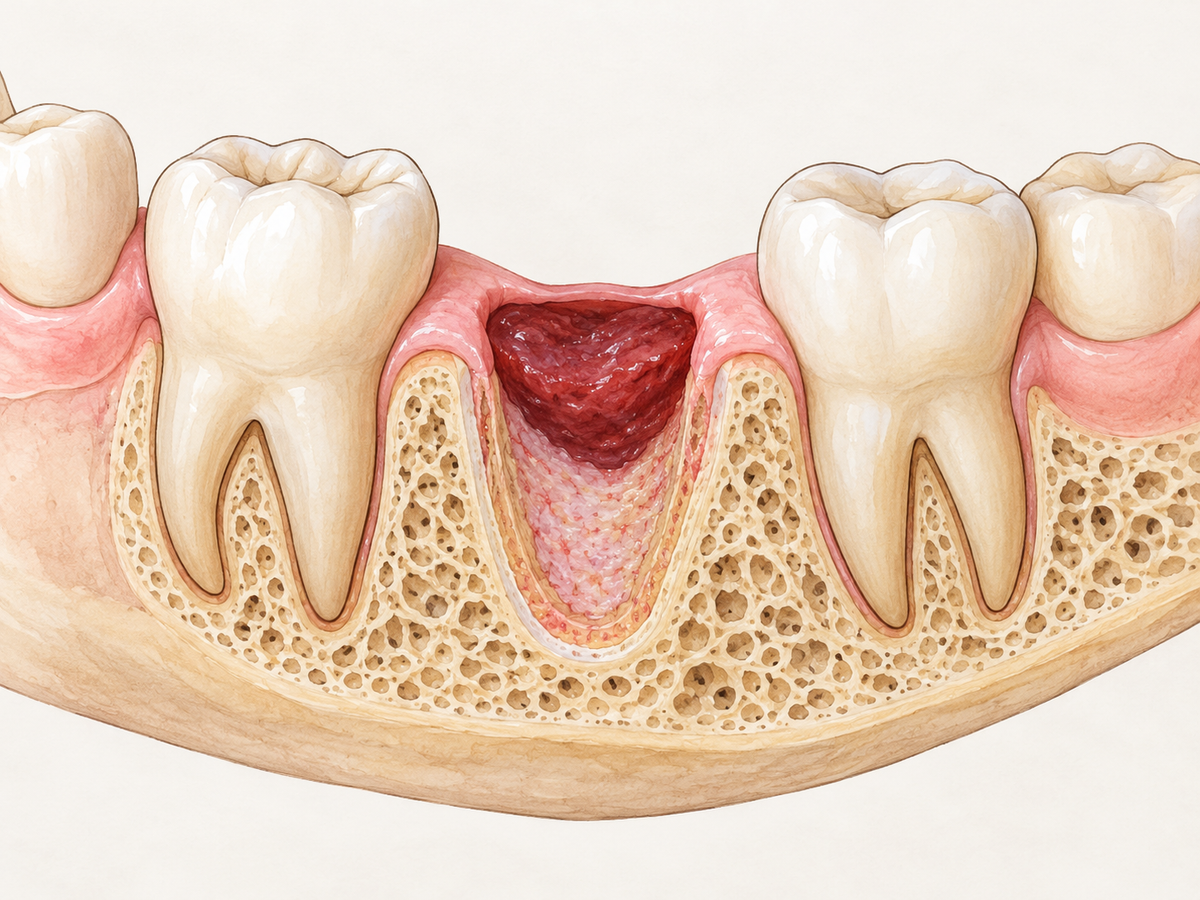
Protect the blood clot in the socket. Avoid spitting, drinking through a straw, smoking, or vigorous rinsing for the first few days. That clot is the natural “scab” that lets healing begin.
Day-by-Day Recovery Timeline
First 24 hours – Bleeding slows and mostly stops. A blood clot forms in the socket, which is like a protective scab. You will likely have soreness, swelling, and some numbness as the anesthesia wears off. Rest and keep your head elevated.
Days 2–3 – Swelling usually peaks around 48–72 hours. Pain and stiffness may be at their worst, but should start improving after that. This is a normal part of the body’s post-surgical inflammation response, according to postoperative instructions for wisdom tooth surgery.
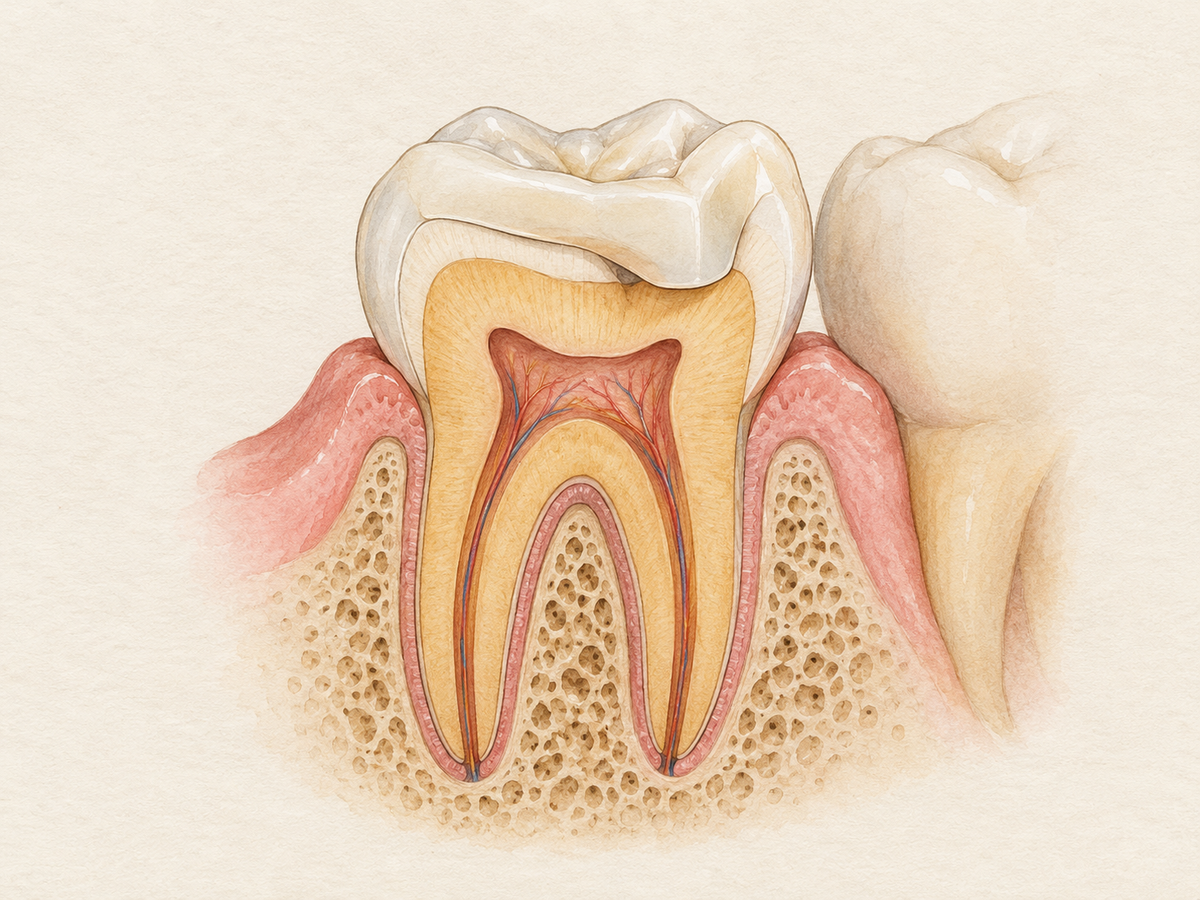
Days 4–7 – Swelling goes down and pain eases. New healing tissue, called granulation tissue, begins to fill the socket. You may still have some aching and mild jaw tightness.
Week 2 – The gum tissue continues to close. Most people feel much better, though the area may still be tender. Clinical guidance notes that soft tissue wounds generally heal within 7–10 days (expert consensus on third molar care).
Weeks 3–4 – Surface healing is usually well along. Deeper jawbone healing, called bone remodeling, continues for months. Minor twinges can linger during this period.
What Makes Recovery Faster or Slower
Several factors can change your personal timeline.
Impaction – A tooth trapped in the gum or bone often requires more complex surgery, which can lead to a longer recovery. Surgical difficulty is a known factor in post-operative complications (British Dental Journal review).
Age – Older age may be linked to slower healing and a higher chance of dry socket. One systematic review found that age, previous infection, and difficult extraction were common risk factors for dry socket (PMC5813994).
Smoking – Smoking has been linked to a higher risk of dry socket and delayed healing. A prospective study found smokers had a much higher chance of developing dry socket after extraction (PMC11032735).
Oral hygiene – Poor mouth cleanliness can allow bacteria to enter the socket and slow healing. The same study found poor oral hygiene was a strong risk factor for dry socket.
Medications – Some medicines affect clotting or healing. Tell your dentist about all medicines, especially blood thinners, before surgery (expert consensus on third molar care).
Infection – A post-op infection can delay recovery and may need antibiotics or additional treatment.
Everyone heals differently – The same procedure can feel easier for one person and harder for another. Do not compare yourself too closely to friends.
Pain and Swelling: What to Do
Pain and swelling are normal after surgery. Swelling usually peaks at 48–72 hours and then improves. To manage discomfort:
- Use an ice pack on the cheek for 15–20 minutes at a time during the first 24 hours. It may help with swelling and comfort.
- Keep your head elevated, even when sleeping, using extra pillows.
- Take pain medicine as directed. Nonsteroidal anti-inflammatory drugs (NSAIDs) like ibuprofen are commonly used for this type of pain (expert consensus on third molar care).
- Do not rinse your mouth during the first 24 hours. After that, start gentle warm saltwater rinses (postoperative instructions for wisdom tooth surgery).
- If swelling becomes dramatically worse, feels hot, or is one-sided after the expected peak, call your dentist.
Eating and Drinking Without Irritating the Socket
Your tooth removal site and the protective blood clot need time to heal. Food and drink choices can help.
- First few hours: only cool or lukewarm liquids. Avoid hot drinks.
- First 24–48 hours: soft, cool foods like yogurt, applesauce, smooth soups, or mashed potatoes.
- Days 3–7: add soft foods like scrambled eggs, oatmeal, pasta, or well-cooked vegetables. Chew on the opposite side.
- After about a week: gradually try firmer foods as long as they do not cause pain.
Avoid:
- Straws – suction can pull the clot out.
- Forceful spitting.
- Hot, spicy, or crunchy foods that can irritate the socket.
- Alcohol and caffeinated drinks in the first few days; they can dry the mouth or interfere with healing. Carbonated drinks can also cause discomfort.
- Smoking.
Following a soft diet and chewing on the opposite side are common post-operative instructions (postoperative instructions for wisdom tooth surgery).
Oral Hygiene and Socket Care
In the first 24 hours, do not rinse, spit, or brush near the extraction site. After 24 hours, start gentle warm saltwater rinses after meals and before bed. Brush your teeth carefully, avoiding the socket for the first few days. Do not poke the socket with your finger, tongue, or any object. Gentle cleaning actually helps prevent infection without disturbing healing.
Activity, Work, and School
Rest for the first 24 hours. Avoid strenuous exercise or heavy lifting for at least 3–5 days, because it can raise blood pressure and trigger bleeding or swelling. On average, people need about 3 days for daily household activities and about 4 days off work or school, based on a large prospective study of third molar patients (S1532338221000579). Some people need less, some more. Use your pain and swelling levels as a guide.
Red Flags: When to Call Your Dentist
Do not wait if any of these appear:
- Dry socket – severe, throbbing pain that starts 2–3 days after surgery and gets worse, often with bad breath or a bad taste. It means the protective blood clot has broken down and the socket is exposed. Dry socket needs dental treatment (Cochrane review on dry socket).
- Fever over about 100.4°F (38°C) or chills.
- Pus or a bad-smelling discharge from the socket.
- Bleeding that won’t stop after applying firm gauze pressure for 30 minutes.
- Difficulty breathing or swallowing, or swelling that spreads down the neck. This is urgent.
Active bleeding or other post-operative complications should prompt a prompt return for clinical evaluation (expert consensus on third molar care).
Follow-Up and Getting Back to Normal
Most dentists like to check the healing site within 7–10 days. Soft tissue wounds generally heal within this time. If you have non-dissolving stitches, they are often removed at this visit (expert consensus on third molar care).
You can usually return to normal eating and exercise gradually as comfort allows. Minor twinges can linger for weeks or even a couple of months, especially when chewing or in cold weather. That is usually normal. Deeper jawbone healing continues for about three months or more.
Most people feel like themselves again by 2–4 weeks, but full healing continues below the surface. Go slowly, protect the socket, and call your dentist if something feels off.
This article has been reviewed by an oral health professional for accuracy. It is intended to provide general educational information and should not be used as a substitute for personalized medical advice, diagnosis, or treatment. If you have questions or concerns about your oral health, please consult a dentist, physician, or other qualified healthcare provider.