











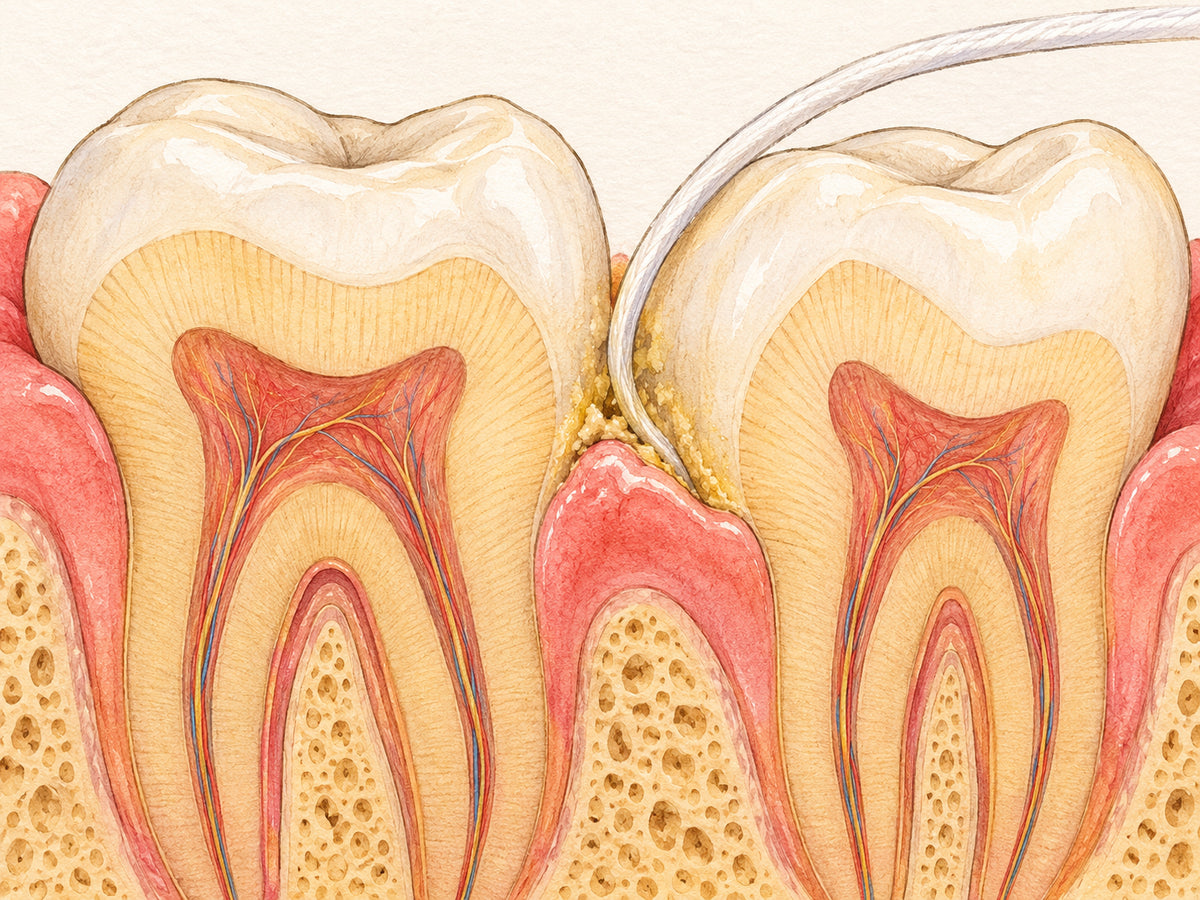
Most people should floss once a day. The goal is to break up plaque — the sticky film of bacteria that forms on teeth — before it can irritate the gums or contribute to decay. Flossing more than once daily is usually not necessary, and doing it too hard can make gums sore.
Why Once Daily Is the Practical Standard
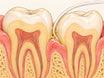
Plaque is the main reason flossing matters. It builds up in the spaces between teeth, where a toothbrush often cannot reach. Plaque starts re-forming within hours after you clean your teeth. It can reorganize into a more structured layer over the next day.
Daily flossing disrupts that buildup. Some research suggests that people with very healthy gums may get away with cleaning between teeth every other day. But because most adults have at least a little gum inflammation, daily cleaning is the practical standard for controlling it. This is explained in clinical guidance on plaque removal.
More frequent flossing is not automatically healthier. If you floss roughly or too often, you can irritate the gum tissue. That can leave your gums feeling sore and may make you want to stop flossing altogether. The key is one careful cleaning per day, not a numbers game.
Removing plaque regularly supports gum health and may lower cavity risk, but flossing is not a guarantee. A review of interdental cleaning studies found that self-flossing often does not remove plaque as well as intended, likely because the technique is difficult. The benefit depends heavily on how well you do it.
Think of daily flossing as a gentle reset for the spaces your brush can’t reach — not as a test of how hard you can pull.
Best Time: Morning or Night?
The best time to floss is the time you will actually keep doing. If you are a night person, floss at night. If mornings are more predictable, do it then.
Nighttime is a popular choice because it clears out leftover food particles before sleep. It also gives you a clean slate before saliva flow slows down overnight.
Flossing before or after brushing is less important than doing it daily and reaching below the gumline. Do the order that feels easy and consistent.
How to Floss Correctly
Good flossing technique matters more than frequency. If the floss never reaches the gumline, once a day won’t help much. Here’s a simple sequence:
- Pull out about 18 inches of string floss.
- Wrap most of it around your middle fingers, leaving a short section to work with.
- Hold the floss tightly between your thumbs and index fingers.
- Slide it gently between two teeth using a light back-and-forth sawing motion.
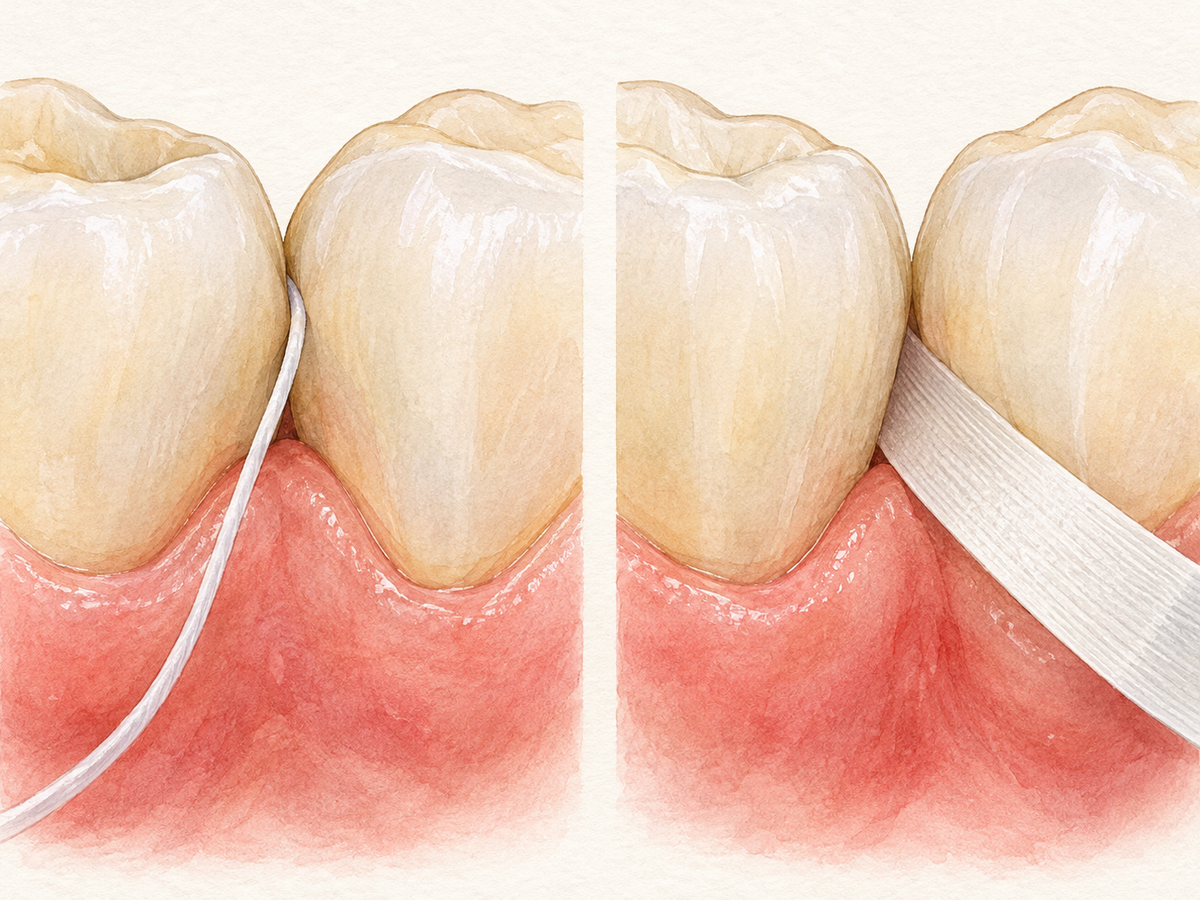
- Curve the floss into a C-shape around the side of one tooth.
- Slide it gently under the gumline until you feel light resistance.
- Use a clean section of floss for each gap.
The C-shape is important because it wraps around the tooth instead of just popping between teeth. Proper flossing can remove plaque from the side of the tooth and reach just below the gumline. Careless flossing, on the other hand, can reduce its effectiveness and even injure the gums, according to guidance on mechanical plaque removal.
What Bleeding and Soreness Mean
Bleeding gums are common, but they are not a reason to quit. Bleeding often means the gums are inflamed. This condition is called gingivitis.
Mild bleeding may improve within a week or two of gentle daily flossing. When you remove plaque regularly, the gum tissue can settle down. The key is to be gentle, not to stop.
Here’s how to tell the difference:
| Normal adjustment | Worth getting checked |
|---|---|
| Mild bleeding that improves after a few days | Bleeding that continues or worsens |
| Slight soreness as gums get used to flossing | Sharp, stabbing pain |
| A little pink on the floss | Gums that look torn or injured |
If you have sharp pain, visible gum injury, or bleeding that does not improve, see a dentist. Those can be signs that something else is going on.
When to Floss More Than Once a Day
For most people, routine twice-daily flossing is not necessary. But there are times when an extra targeted flossing can help:
- Food is clearly stuck between two teeth.
- You wear braces or other orthodontic appliances.
- You have a dental bridge.
- Your dentist or hygienist gave you a specific instruction.
The goal is targeted extra cleaning, not aggressive over-flossing. If you force floss into tight spaces multiple times a day, you may irritate your gums and make them feel tender. When in doubt, follow the schedule your dental team recommends.
Floss Picks, Water Flossers, and Alternatives
String floss is not the only option. What matters most is cleaning between teeth daily with a tool you can use well.
Floss picks can work if you use the same C-shape idea and get below the gumline. They are convenient, but they can be harder to angle correctly in the back of the mouth.
Water flossers use a stream of water to blast away food and plaque. They can be especially helpful if you have braces or difficulty handling string floss. Some trials show water flossers can be at least as effective as string floss for improving gum health, as noted in a British Dental Journal review. However, they may not fully replace string floss in very tight spaces between teeth.
Interdental brushes are tiny brushes that fit between teeth. A network meta-analysis found that interdental brushes and water flossers ranked higher than floss for reducing gum inflammation. But floss still has a role when spaces are too tight for a brush.
Because every mouth is different, ask your hygienist which tool fits your teeth and habits. The goal is daily plaque disruption, not brand loyalty.
Common Mistakes That Make Flossing Feel Pointless
If flossing feels pointless, one of these habits may be getting in the way:
- Skipping the back teeth
- Rushing through each gap
- Snapping the floss into the gums
- Reusing the same dirty section of floss
- Only flossing when food feels stuck
These habits leave plaque behind. That is why flossing can feel like a waste of time even when you do it daily. A slow, gentle pass through every gap is more useful than a fast, rough one through the front teeth only.
When to Ask a Dentist
Daily flossing is a good habit, but it is not a substitute for professional care. Make an appointment if you notice:
- Bleeding that does not improve after consistent gentle flossing
- Gums that hurt, swell, or seem to pull away from the teeth
- Loose teeth
- Bad breath that persists despite daily brushing and flossing
You may also need tailored advice if you have gum disease, implants, crowns, or braces. A dentist or hygienist can watch your technique, suggest the right tool, and adjust the schedule to your mouth. The patient-centred interdental cleaning guidance emphasizes that personal preferences, dexterity, and your clinical situation should guide the plan.
The best next step is simple: floss once daily with good technique, and ask your dental team if you are not sure you are reaching the right spots.
 Best Overall
 Best Value
 Best for Sensitive Teeth
This article has been reviewed by an oral health professional for accuracy. It is intended to provide general educational information and should not be used as a substitute for personalized medical advice, diagnosis, or treatment. If you have questions or concerns about your oral health, please consult a dentist, physician, or other qualified healthcare provider.