Swollen, bleeding gums after flossing are almost never a reason to throw away the floss. They’re a sign that plaque is hiding where your brush can’t reach, and your gums are working hard to protect you. With the right approach, the puffiness usually fades within a week—and if it doesn’t, your dentist can help you get back on track painlessly.
You’re Not Alone
You glide the floss between your teeth, and suddenly your gums feel puffy, tender, or even bloody. It’s easy to think you’ve hurt yourself or that flossing is “too rough” for you. In reality, swollen gums after flossing are one of the most common reactions dental professionals see, and they’re rarely a sign of anything scary.
What they almost always mean is that your gums were already inflamed before the floss touched them. The swelling is your body’s way of responding to bacteria that have been sitting undisturbed along the gumline. Even if your gums don’t hurt when you aren’t flossing, low-grade inflammation can be simmering silently. Recognizing this shifts the entire conversation: the puffiness isn’t damage you caused—it’s a signal you can use.

Why Your Gums React This Way
The most frequent culprit is gingivitis, the earliest stage of gum disease. When soft, sticky plaque (a film of bacteria) collects where your toothbrush can’t reach, your immune system sends extra blood flow to the area. White blood cells rush in to neutralize the bacterial toxins, causing the tissue to swell and become fragile. This heightened state of inflammation is so consistent that researchers now see flossing itself as a diagnostic tool: flossing can detect hidden gum inflammation long before a dental probe does. A biopsy study confirmed that gums which bleed on floss show dense inflammatory infiltrates, even when they look perfectly normal to the eye.
A second trigger is improper flossing technique. Snapping the string into the gum or sawing back and forth with heavy pressure can create tiny tears in already sensitive tissue. But here’s the crucial nuance: the inflammation pathway is still largely driven by bacteria. When plaque accumulates in the sulcus—the shallow groove where your tooth meets the gum—the body mounts an immune response that releases prostaglandins and other chemical messengers. These molecules widen blood vessels and make capillaries leaky, which is why you see swelling and bleeding gums.

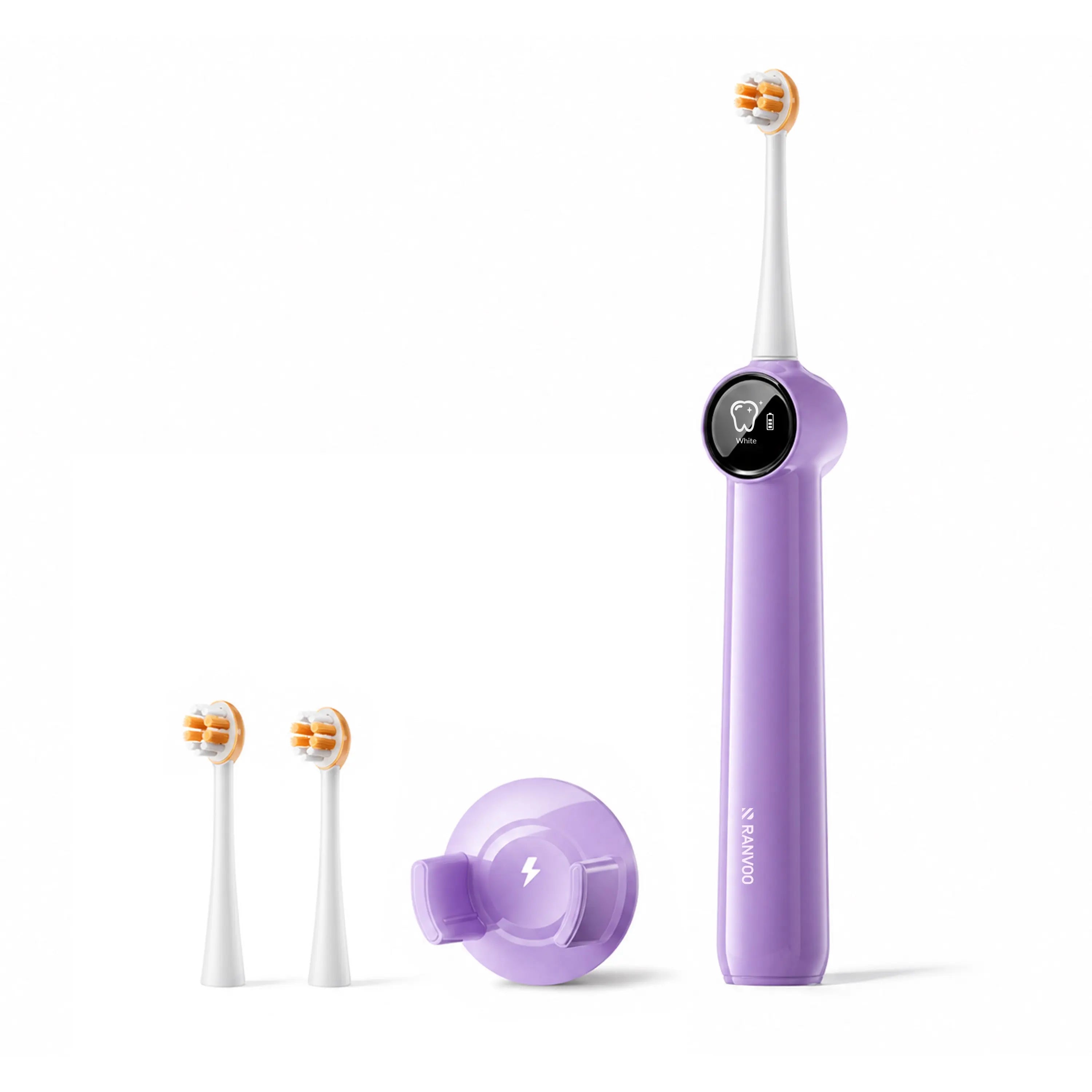
If you’ve recently started flossing after a long hiatus, the swelling can be dramatic simply because you’re disturbing bacteria that have been multiplying undisturbed. Because the root cause is often plaque that manual brushing misses, upgrading to an electric toothbrush can help keep bacterial buildup in check, so your gums are less likely to overreact when you clean between them. The resulting puffiness is a temporary repair response, not a permanent injury.
Normal Soreness or Red Flag?
A little tenderness that fades within 24 to 48 hours, paired with minor bleeding that stops quickly, is simply what happens when you wake up an inflamed gum. In fact, the goal is to see that reaction diminish. Even after gums appear clinically healthy, immune markers can stay mildly elevated for weeks, which is why consistency matters far more than perfection. As you continue to floss gently each day, the bleeding should become noticeably lighter over three to five days, and the swelling should resolve.
On the other hand, pay attention if you notice: - Swelling that persists beyond five days or gets worse - Gums that remain deep red, puffy, and glossy all the time - Pain that makes chewing uncomfortable - A persistent bad taste or pus between teeth - Gums that seem to be pulling away from the teeth
These patterns suggest that plaque has matured into tartar (calculus)—a hardened deposit that floss can’t remove—or that the inflammation has progressed deeper into the supporting bone. At this stage, periodontal disease (periodontitis) may be developing, and professional help is non-negotiable.

Don’t let fear stop you from checking; early intervention is typically simple and non-surgical.
How to Soothe Swollen Gums Fast
When your gums are angry, a few home-care moves can calm them down while you continue the cleaning that will actually fix the problem.
- Rinse with warm salt water. A half-teaspoon of salt dissolved in a cup of warm water creates a gentle osmotic rinse that reduces bacteria and eases tissue swelling without stinging. Swish for 30 seconds, two or three times a day.
- Apply a cold compress. Wrap an ice pack or a bag of frozen peas in a thin cloth and hold it against your cheek for 10-minute intervals. The cold constricts capillaries temporarily, giving you quick, drug-free relief.
- Skip the alcohol. Avoid alcohol-based mouthwashes and spicy or acidic foods until tenderness subsides. These can irritate raw gum surfaces and prolong healing.
- Don’t stop cleaning the area. This is the hardest but most important step. Gently continue to brush along the gumline and floss the sore spot. Leaving plaque in place will only fuel more inflammation. Research backs this up: only mechanical interdental plaque removal combined with toothbrushing effectively reduces gum bleeding. Mouth rinses alone cannot substitute for physically disrupting the biofilm.

Mastering Flossing Without the Swell
The way you floss can make the difference between a healthy ritual and a daily wrestling match with your gums. Instead of popping the floss straight down, try the C-shape technique:

- Wrap about 18 inches of floss around your middle fingers, leaving a one- to two-inch working section.
- Gently slide the floss between your teeth using a back-and-forth sawing motion—but never snap it down into the gum.
- Once you hit the gumline, curve the floss into a C against one tooth and gently guide it just below the gum margin, about 1–2 millimeters. This is where the invisible plaque hides, and it’s the action that leads to the most initial swelling. It’s safe as long as you’re gentle.
- Hug the tooth as you move the floss up and down, and then repeat on the neighboring tooth surface.
- Use a clean segment for every few teeth to avoid redistributing bacteria.
If your gums are extremely tender, waxed floss or floss picks with a smooth ribbon can slide more easily and cause less drag. Water flossers and interdental brushes are also excellent alternatives for those who struggle with string floss. The key is to pick a tool you’ll use daily. Consistency builds gum toughness over time. In fact, studies show that daily interdental cleaning can slash bleeding scores by more than half within one month, proving that your gums adapt rapidly when the bacterial load is kept low.
To make your whole routine kinder to sensitive tissues, pair your flossing with a sonic electric toothbrush that relies on gentle vibrations rather than harsh scrubbing. This combination conditions gums without over-brushing, reducing the shock that can trigger swelling.
When to Book a Dental Visit
You don’t need to panic at the first sign of puffiness, but a few clear thresholds signal it’s time to let a professional take a look:
- Swelling that doesn’t improve after one week of consistent, correct cleaning
- Pain that wakes you up at night or makes eating difficult
- A metallic or foul taste, or any sign of pus
- Gums that have visibly pulled away from teeth, creating “pockets”
- Loose teeth, even slightly
- Swelling accompanied by fever or swollen lymph nodes

A dentist or dental hygienist isn’t there to scold you. They’ll measure how well the gum attaches to your teeth, check for tartar below the gumline, and if needed, perform a deep cleaning (scaling and root planing) to remove hardened deposits. They can also rule out less common triggers like medication-related gum overgrowth, hormone shifts during pregnancy, or underlying conditions such as diabetes that make gums more reactive. Think of this visit as a partnership that prevents small problems from becoming big ones.
The Bottom Line
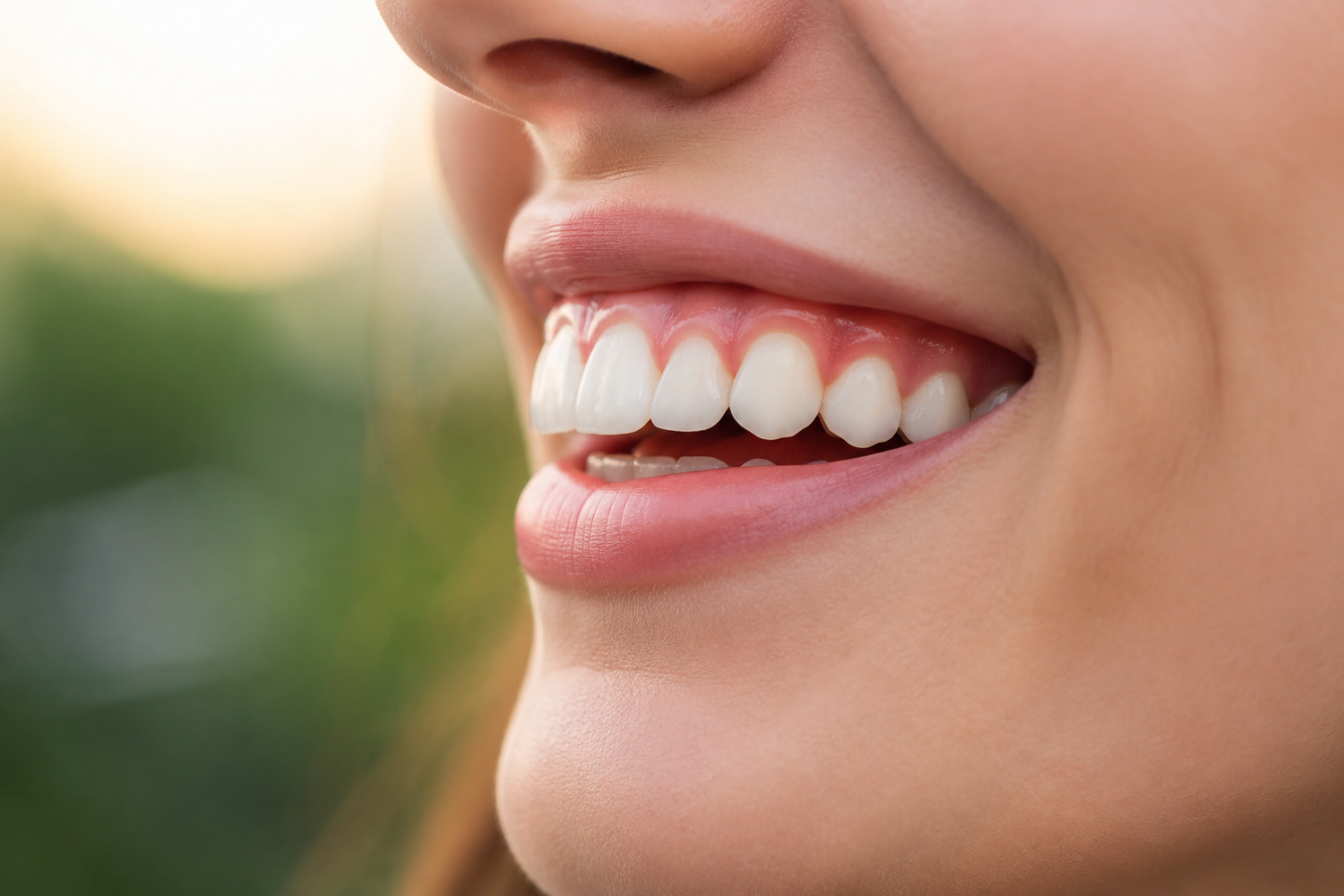
Swollen gums after flossing are your mouth adjusting to better hygiene—not a cry to give up. They’re the visible side of your immune system fighting the bacteria that cause gingivitis. When you floss correctly and daily, the puffiness almost always fades as your gums get healthier.
If the swelling hangs around despite perfect technique, that’s simply your cue to see a professional. Keep flossing, keep brushing gently, and trust that your body knows how to heal once the source of inflammation is gone. Most people who stick with it find that within weeks, their gums feel stronger, bleed less, and look pinker—and flossing stops being a battle and becomes a 90-second confidence boost for your smile.

This article has been reviewed by an oral health professional for accuracy. It is intended to provide general educational information and should not be used as a substitute for personalized medical advice, diagnosis, or treatment. If you have questions or concerns about your oral health, please consult a dentist, physician, or other qualified healthcare provider.