


















Whitening toothpaste is best understood as a daily cleaner for surface stains, not a true bleach. It can gradually lift or polish away stains from coffee, tea, wine, and tobacco on the outside of teeth, and some pastes add a temporary brightening effect. It will not deeply whiten teeth that are naturally yellow or gray, and it cannot fix stains inside the tooth.
See a dentist if you want a noticeably whiter smile or have one tooth that is much darker than the rest. Whitening toothpaste is not a substitute for that kind of change.
How Whitening Toothpaste Works
Whitening toothpaste works mainly on the outside of the tooth. There are three common ways it helps.
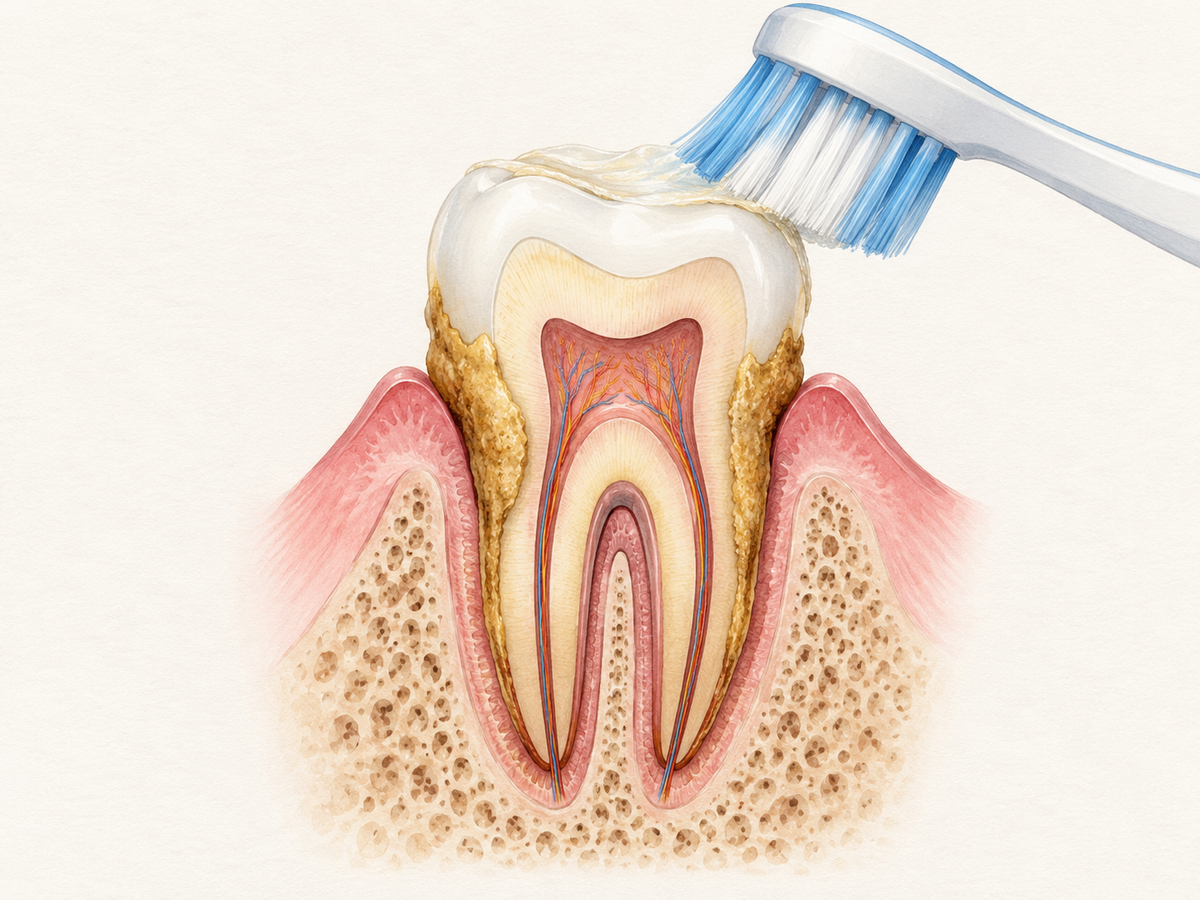
- Gentle polishing particles. Most whitening toothpastes contain mild abrasives such as hydrated silica. These small particles scrub away surface stain film and plaque. In fact, abrasives are among the most important toothpaste ingredients for removing stains, according to a review of whitening agents.
- Stain-fighting chemical agents. Some formulas add polyphosphates, which help keep stain particles from sticking to teeth in the first place. Others may include a small amount of peroxide to help break up stain film. These are not the same as high-concentration professional bleaching.
- Temporary optical brighteners. A few toothpastes use a blue pigment called blue covarine. It sits on the tooth surface and shifts the way light reflects, making teeth look less yellow right after brushing. The effect is temporary and strongest immediately after use, as shown in a study of a blue covarine whitening toothpaste.
Because most of these actions happen on the outside of the tooth, results are gradual and surface-level. Whitening toothpastes have been found to reduce surface stain area and intensity better than regular toothpaste, according to a systematic review and meta-analysis. Even when you do not see an instant shade change, daily brushing is still removing plaque and the staining film that makes teeth look dull.
What It Can—and Can’t—Fix
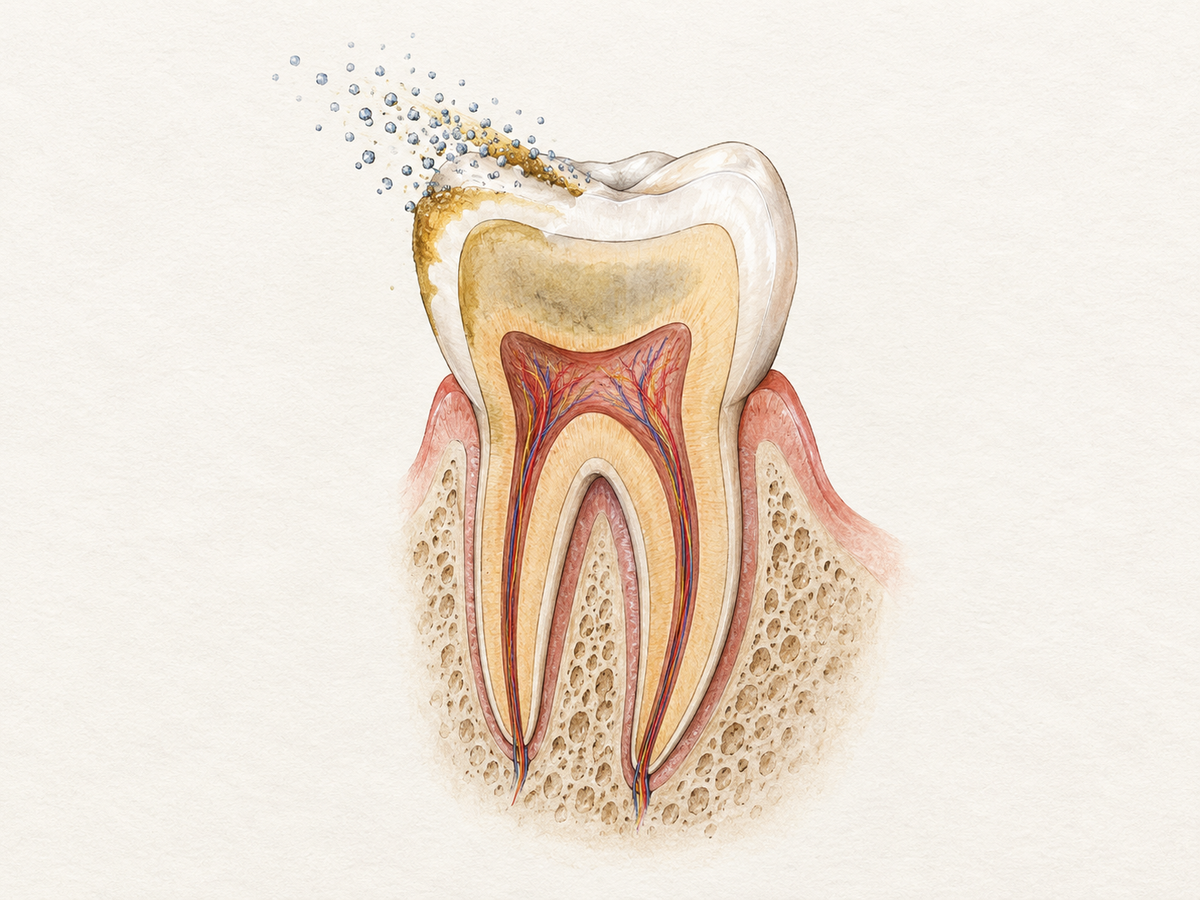
Extrinsic stains are stains on the outside of the tooth. These are the kind whitening toothpaste is designed to help with. Common sources include coffee, tea, wine, and tobacco.
Intrinsic discoloration is color change inside the tooth. It can come from aging, medication, injury, or the natural thickness and shade of your tooth.
| Type of staining | What it looks like | What whitening toothpaste can do |
|---|---|---|
| Surface stains from coffee, tea, wine, smoking | Brown or yellow build-up on the outside | Help remove or reduce it |
| Deep yellow or gray color inside the tooth | Overall dark or dull shade | Little to no effect |
| One tooth darkened after injury | A single tooth that looks darker than the rest | Usually not enough; see a dentist |
Whitening toothpaste is best viewed as a daily maintenance tool. It can help manage everyday surface staining, but it is not a replacement for professional whitening when deeper color is the problem.
Is Daily Use Safe?
For most people, daily use is generally safe when the toothpaste contains fluoride and is made with a gentle, low-abrasivity formula.
The enamel is the hard outer layer of the tooth. The main worry is that a toothpaste that is too gritty, combined with hard brushing, could wear that layer over time. Some lab studies have found that certain whitening toothpastes can increase surface roughness or reduce hardness. That does not mean every formula is unsafe, but it does mean the product and brushing technique matter. A review of whitening toothpaste effects found that some whitening pastes can alter the mineral surface of teeth, which is why gentle formulas and light pressure are important.
Things that can make enamel wear or sensitivity more likely include:
- Brushing too hard
- Using very gritty or high-abrasive whitening pastes
- Layering several whitening products at once
- Using acidic DIY whitening mixes
If you notice sharp pain, receding gums, or sensitivity that lasts, stop using the product and ask a dentist. Ongoing sensitivity can have several causes, and a dentist can help figure out the right one.
How to Choose a Safe Formula
Look for a toothpaste label that includes these helpful ingredients:
- Fluoride: helps strengthen enamel and fight cavities
- Hydrated silica: a common gentle polishing agent
- Polyphosphates: help keep stain particles from attaching to teeth
- Potassium nitrate: a sensitivity-relief ingredient that helps some people
It is also reasonable to look for the American Dental Association Seal of Acceptance. It is a useful shortcut because it means the product has been evaluated for safety and effectiveness.
Some things are better to avoid or use with caution:
- Charcoal whitening pastes: there is no strong evidence they whiten better, and they can be abrasive, according to a review of over-the-counter whitening products
- Very gritty “high-abrasive” whitening pastes: may remove more than just stains
- Acidic DIY whiteners: can soften enamel and make wear worse
Match the product to your main concern.
| Main concern | Look for |
|---|---|
| Sensitive teeth | Fluoride plus potassium nitrate, low-abrasive formula |
| Heavy surface staining | Hydrated silica and polyphosphates |
| Gum health or enamel protection | Fluoride, ADA Seal, low-abrasivity formula |
Daily Routine for Better Results
The way you brush matters more than scrubbing harder. A simple routine gives whitening toothpaste the best chance to work safely.
- Brush twice a day for two minutes.
- Use a soft-bristle toothbrush with light pressure.
- Floss once a day to remove stain and plaque between teeth.
- Wait about 30 minutes after acidic foods or drinks before brushing.
- Limit coffee, tea, red wine, and tobacco when possible. Rinse with water after having them if you cannot brush right away.
The waiting step is easy to overlook but useful. Acidic drinks and foods can temporarily soften enamel, and brushing immediately afterward can wear that softened surface. One study on brushing after acid exposure found that waiting at least 30 minutes reduced enamel loss compared with brushing right away.
Visible results from whitening toothpaste usually take several weeks. Overbrushing or using too many whitening products at once can backfire by increasing sensitivity and wear.
When to See a Dentist
Book a dental visit if you notice any of the following:
- Stains that appear to be inside the tooth or look deep yellow or gray
- One tooth that is clearly darker than the others
- Sensitivity that does not go away
- A desire for a noticeably whiter smile or faster result
That last point is realistic. Whitening toothpaste is not designed to produce a big change in tooth shade. Professional whitening, dental bonding — a tooth-colored repair or covering — or other dental treatments can address what toothpaste cannot.
Use whitening toothpaste for daily maintenance, not as the main solution for deep discoloration. If you have questions about your specific stains or sensitivity, a dentist can help you choose the safest path.
This article has been reviewed by an oral health professional for accuracy. It is intended to provide general educational information and should not be used as a substitute for personalized medical advice, diagnosis, or treatment. If you have questions or concerns about your oral health, please consult a dentist, physician, or other qualified healthcare provider.