





A slight wiggle in an adult tooth can be terrifying—but it’s not always an emergency. Temporary looseness often comes from normal ligament flexibility, nighttime clenching, or even pregnancy, while a more persistent wobble might signal gum disease or an uneven bite. This guide walks you through the difference between harmless movement and something that needs a dentist’s attention, so you can breathe easier and take the right next step.
When Your Tooth Feels Like It’s Moving: First, Don’t Panic
Feeling an adult tooth shift when you chew, touch it with your tongue, or wake up in the morning is deeply unsettling. You might immediately brace for the worst—a tooth that’s about to fall out. But the reality is more nuanced. Many people experience short-lived looseness that resolves on its own, and even persistent movement can often be treated successfully if caught early.
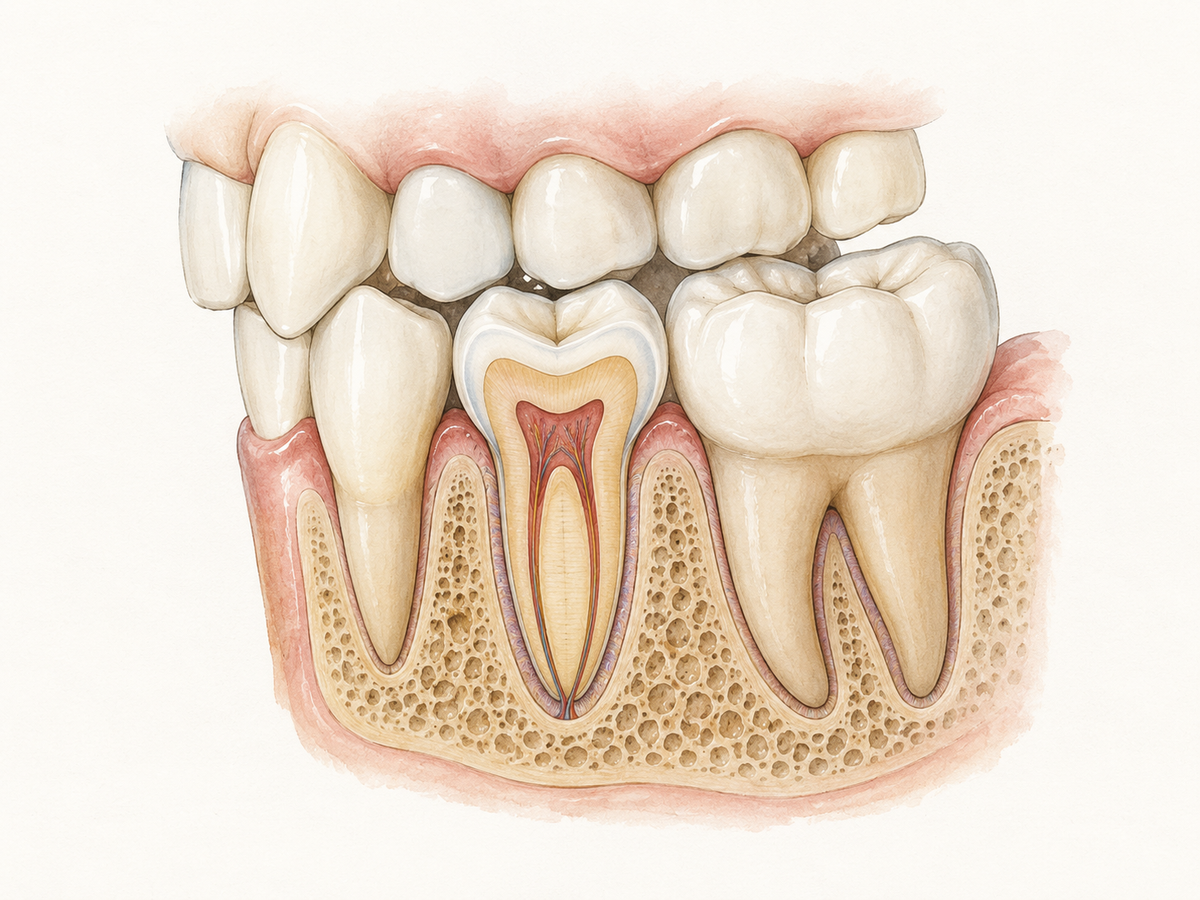
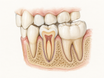
Your teeth are not fused rigidly to your jawbone. They stay in place thanks to a hammock-like network of fibers called the periodontal ligament (PDL). This ligament acts like a shock absorber, cushioning the pressure of biting and chewing. Because the PDL is flexible, every healthy tooth moves slightly—a kind of built-in suspension system. The key is learning to separate that natural “give” from true instability.
Is It Normal? The “Red Light” Test
All teeth have what clinicians call physiological tooth mobility—a nearly invisible level of movement that’s part of normal function. Research confirms that this natural movement is typically less than 0.2 mm, a fraction of a millimeter that you’d barely perceive even when pressing the tooth firmly with clean fingers.
To check your own teeth, use a very light touch. Gently place one finger on the front surface of the tooth and another on the back. Wiggle it with the same pressure you’d use to nudge a loose key on a keyboard. If you feel only a subtle, bouncy cushioning—no visible displacement—that’s physiological mobility, and it’s a sign of a healthy PDL.
Worry only when you can see the tooth move, when it feels like it shifts sideways or sinks downward, or when the sensation is new and consistent rather than something you have to search for. That’s your signal to investigate further.
Harmless Reasons Your Teeth Might Feel Loose
Often, a temporary loose feeling is the body’s normal reaction to a recent change. These situations almost always resolve on their own and don’t indicate permanent damage.
- Recent dental work: After a deep cleaning, a new filling, or a crown, the PDL and the surrounding gum can be mildly inflamed. It may take a few days for the ligament to settle back to its normal tightness.
- Orthodontic treatment: Whether you wear brackets or clear aligners, orthodontic tooth movement relies on controlled pressure that actually remodels the PDL and jawbone. Teeth are supposed to feel a little wobbly during treatment—it’s how they migrate into their new positions.
- Hormonal shifts: Pregnancy and menopause bring hormonal changes that can increase blood flow to the gums and slightly relax the PDL. This can produce a fleeting sense of looseness, often accompanied by mild gum puffiness. It reverses once hormone levels stabilize.
- A night of intense clenching: If you had a high-stress day or slept in an awkward position, you might wake up with one or two teeth that feel taller or strangely mobile. This is usually muscular fatigue and temporary ligament overuse, disappearing by afternoon.
Each of these scenarios proves that a loose sensation doesn’t automatically mean a tooth is in danger. However, when looseness persists beyond a few days or worsens, a deeper issue is often at play.
The Hidden Culprit: Gum Disease and Bone Loss
The most common reason an adult tooth feels chronically loose—yet often goes unnoticed because it doesn’t hurt—is periodontal disease. This bacterial infection starts as gingivitis (red, bleeding gums) and, left untreated, progresses to periodontitis, where the inner layer of gum and bone pull away from the teeth, forming infected pockets. Over time, the body’s inflammatory response and the bacteria destroy the PDL and the alveolar bone loss that anchors your roots.
That destruction directly translates into increased tooth mobility. A major global review found that around 62% of dentate adults have some form of periodontitis, making it a pervasive and often silent condition. The disease typically advances without pain, so a tooth feeling slightly loose can be your first alert that the supporting bone is thinning. Catching it at this stage—before severe mobility sets in—can prevent tooth loss with non-surgical treatments like scaling and root planing.
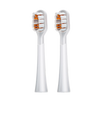
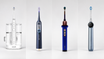
Because the root cause is bacterial plaque, effective but gentle daily removal is the cornerstone of halting further bone damage. Switching to a power toothbrush can be a game-changer—it’s proven to remove more plaque than a manual brush while being gentle on tender, compromised gums.
Blows, Infections, and the Grinding Habit You Didn’t Know You Had
Acute triggers sometimes hit without warning.
- Dental trauma: A direct blow to the mouth—from a fall, a sports collision, or even biting down unexpectedly on a hard object—can bruise the PDL or shift the tooth slightly in its socket (subluxation). This type of looseness comes on suddenly and often comes with tenderness or a tooth that seems higher when you bite.
- Tooth abscess or infection: A deep cavity or a dead nerve can cause infection at the root tip, building pressure in the bone and making the tooth feel extruded and loose. The tooth will likely be sensitive to tapping.
- Bruxism (teeth grinding): Many people clench or grind during sleep without knowing it. Bruxism places enormous side-to-side and forward-backward forces on the teeth, far beyond normal chewing loads. Over weeks and months, this can widen the PDL space and make the teeth feel noticeably loose, especially in the morning. A classic bruxism-related pattern: you wake up, think “this tooth is moving,” and by midday it feels almost stable again. If this sounds familiar, a custom night guard can protect your ligaments from nighttime overload.
When to Seek Emergency Care: A Quick Checklist
Most cases of tooth mobility are not immediate emergencies, but a few red flags mean you should pick up the phone right away. If you experience any of the following, call your dentist immediately:
- A tooth that is visibly displaced or hanging lower than its neighbors
- Heavy bleeding that doesn’t stop with gentle pressure
- Pus or a bad taste leaking from the gumline
- Severe, throbbing pain that wakes you at night
- A tooth that moves vertically (sinks down when you bite)
- Sudden looseness after a blow to the face or jaw
These symptoms suggest an acute infection, fracture, or a dental trauma that requires prompt evaluation. Even if you feel embarrassed or worried about the diagnosis, dentists see these situations regularly and treat them with compassion and straightforward solutions.
What Happens at the Dentist: No Judgment, Just Solutions
When you book an appointment for a loose-feeling tooth, the evaluation is simpler and less frightening than most people imagine.
First, the dentist will ask when you first noticed the movement and whether anything makes it better or worse. Then they’ll perform a gentle mobility check using the backs of two instruments to gently rock the tooth. This periodontal probing measures how much horizontal and vertical movement is present—often graded according to the Miller classification (Grade 0 = normal stiffness through Grade 3 = depressible).
You’ll likely need a small X-ray, such as a periapical radiograph, to see the bone level around the root and check for infection, fractures, or signs of root resorption. If your bite seems uneven, the dentist may also feel for fremitus—a vibration the tooth makes when you grind your teeth together—and use marking paper to check for high spots.
Based on the findings, treatment could be as simple as a bite adjustment (selective grinding) or a night guard for bruxism. If periodontitis is causing the looseness, a deep cleaning and, in some cases, periodontal splinting (bonding the loose tooth to stable neighbors) may be recommended to keep the tooth comfortable and functional. None of these procedures are scary rare; they’re routine tools dentists use every week.
Gentle Home Care While You Wait
If you can’t get to the dentist for a few days, a few simple habits will support your tooth and keep discomfort to a minimum.
- Stick to soft foods: Yogurt, scrambled eggs, soup, and steamed vegetables reduce disruptive forces on the tooth. Avoid crusty bread, hard nuts, and chewy candy.
- Leave it alone: Constant poking with your tongue or fingers can worsen inflammation. Try to keep your tongue away from the tooth and chew on the opposite side.
- Rinse with warm salt water: A half-teaspoon of salt dissolved in a cup of warm water rinses away food debris and soothes irritated gums. Spit gently—no vigorous swishing.
- Clean gently but thoroughly: If the sensation makes you nervous about brushing, consider a low-frequency electric toothbrush, which cleans effectively without requiring forceful scrubbing. Gentle circular motions are all you need to keep the area plaque-free while you wait.
These steps don’t fix the underlying cause, but they create a calm environment that prevents accidental injury and gives your dentist a clearer picture of the tooth’s natural state when you arrive.
This article has been reviewed by an oral health professional for accuracy. It is intended to provide general educational information and should not be used as a substitute for personalized medical advice, diagnosis, or treatment. If you have questions or concerns about your oral health, please consult a dentist, physician, or other qualified healthcare provider.